
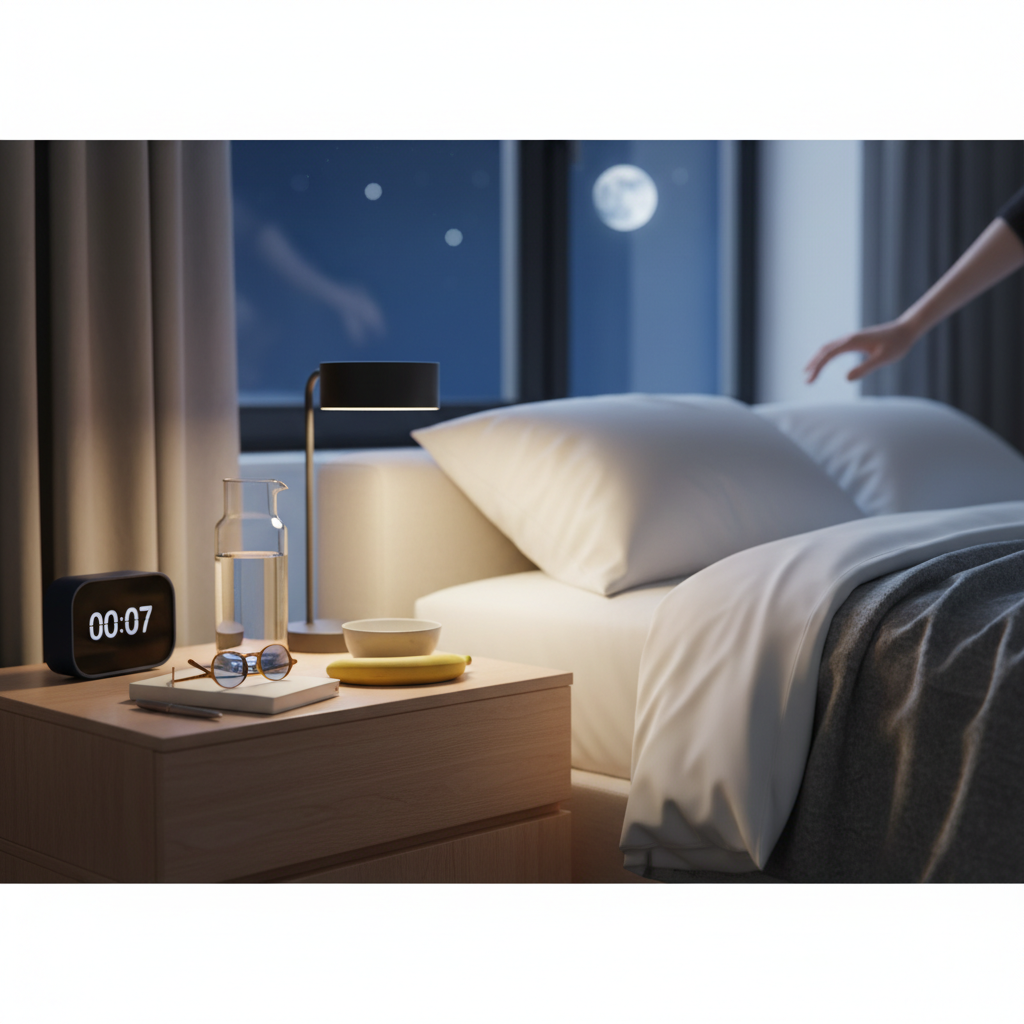
How the 13-7 Midnight Hunger Method Prevents Late-Night Snacking While Supporting Natural Sleep Cycles
Late-night hunger strikes when your body's circadian rhythms clash with modern eating patterns, creating a cascade of poor sleep and unwanted weight gain. The 13-7 midnight hunger method aligns your eating window with your body's natural hormonal fluctuations to eliminate those 11 PM kitchen raids while supporting deeper, more restorative sleep.
This approach works by creating a structured eating window that ends seven hours before your target sleep time, followed by a 13-hour fasting period that carries you through the night and into the next day. Unlike restrictive dieting methods, this system leverages your body's existing melatonin and cortisol cycles to naturally suppress late-night cravings.
Calculate Your Personal Eating Window Based on Sleep Schedule
Start by identifying your consistent bedtime, then count backward seven hours to establish your final meal time. If you sleep at midnight, your last bite should happen by 5 PM. This timing allows your digestive system to process food before melatonin production begins, which naturally occurs around 9 PM for most people. Your 13-hour fasting period then runs from 5 PM until 6 AM the next morning, when cortisol levels peak and naturally stimulate appetite.
Front-Load Your Daily Calories During Peak Metabolism Hours
Concentrate your largest meals between 6 AM and 2 PM when your metabolic rate runs highest and insulin sensitivity peaks. Your breakfast should contain the most calories, followed by a substantial lunch, with a lighter dinner that focuses on easily digestible proteins and vegetables. This distribution prevents the energy crashes that typically trigger late-night snacking while ensuring you feel satisfied throughout your eating window.
Create a Hydration-Based Evening Routine to Replace Food Rituals
Replace post-dinner snacking habits with structured hydration patterns using herbal teas, sparkling water with lemon, or room-temperature filtered water. Chamomile tea consumed 90 minutes before bed naturally elevates glycine levels, which promote sleepiness and reduce the likelihood of hunger-driven awakenings. Brands like Traditional Medicinals and Celestial Seasonings offer caffeine-free options specifically formulated for evening consumption.
Use Strategic Meal Timing to Optimize Leptin and Ghrelin Balance
Space your meals exactly four hours apart during your eating window to maintain steady leptin output, the hormone responsible for satiety signals. Eating every two hours keeps ghrelin elevated, which increases hunger, while spacing meals more than five hours apart can trigger excessive ghrelin production later in the evening. This four-hour rhythm naturally aligns with your stomach's emptying cycle and prevents the hormonal fluctuations that create midnight cravings.
Establish Environmental Cues That Signal the End of Eating
Create physical barriers between yourself and food during your fasting window by dimming kitchen lights, closing pantry doors, and storing trigger foods in opaque containers. Research from UCLA demonstrates that visual food cues can increase ghrelin production by up to 30 percent, even when you're not physically hungry. Set a phone alarm for your final eating time and use that signal to begin your kitchen shutdown routine.
Leverage Natural Temperature Cycles to Reduce Appetite
Your core body temperature naturally drops 1-2 degrees during the evening hours, which can trigger false hunger signals as your metabolism slows. Combat this by maintaining a consistent room temperature between 65-68 degrees Fahrenheit and wearing layers that you can adjust rather than seeking food for warmth. Taking a warm shower 90 minutes before bed also promotes the natural temperature drop that enhances sleep quality.
Build Protein-Dense Final Meals to Extend Satiety Through the Night
Structure your last meal around 25-30 grams of complete protein from sources like Greek yogurt, cottage cheese, eggs, or lean poultry. Protein takes more energy to digest than carbohydrates or fats, creating a sustained thermic effect that maintains feeling full for 4-5 hours post-meal. Pair this protein with fibrous vegetables like Brussels sprouts or cauliflower to further slow digestion and prevent early morning hunger pangs.
Track Sleep Quality Metrics to Refine Your Timing
Monitor your sleep using devices like the Oura Ring, Whoop Strap, or smartphone apps like Sleep Cycle to identify how meal timing affects your deep sleep percentages and REM cycles. Most people see improvements in sleep efficiency within 5-7 days of implementing the 13-7 method, with reduced nighttime awakenings and more consistent energy upon waking. Adjust your eating window by 30-minute increments if you're experiencing early morning hunger or difficulty falling asleep.
Prepare for Social Situations That Challenge Your Eating Window
Develop strategies for dinner invitations, work events, and social gatherings that extend past your eating cutoff time. Suggest earlier restaurant reservations, eat a substantial meal before events where you'll socialize but not eat, or adjust your entire eating window on days when late meals are unavoidable. The key is maintaining the seven-hour gap between eating and sleeping rather than rigidly adhering to specific clock times.
This method represents a shift toward eating patterns that work with your biology rather than against it. As more people recognize the connection between meal timing and sleep quality, expect to see restaurants offering earlier dining options and workplaces scheduling meetings that don't interfere with healthy eating windows.