
How the 14-Day Dopamine Reset Breaks Digital Dependency Without Complete Technology Elimination
Digital stimulation has rewired your brain's reward pathways in ways that make ordinary experiences feel less satisfying. Your phone buzzes, your attention fragments, and the simple pleasure of reading a book or having an uninterrupted conversation feels impossible to maintain. The constant stream of notifications, likes, and digital rewards has created a dependency that goes beyond habit into the realm of neurochemical addiction.
A dopamine reset doesn't require throwing your smartphone in a drawer for two weeks. Instead, it strategically modifies your relationship with digital stimulation to restore your brain's natural reward sensitivity. This approach recognizes that technology remains essential for work, communication, and daily life while addressing the underlying neurochemical patterns that create dependency.
Start With Morning Phone Delays
Your first hour awake sets the neurochemical tone for the entire day. Instead of reaching for your phone immediately upon waking, establish a 60-minute buffer zone. Use this time for basic morning activities like showering, making coffee, or light stretching. Your brain craves immediate stimulation after sleep, but providing lower-intensity experiences helps recalibrate your dopamine baseline. This single change often produces noticeable improvements in focus and mood within the first week of implementation.
Remove Social Media Apps From Your Home Screen
Accessibility drives usage more than conscious intention. Move Instagram, TikTok, Facebook, and Twitter into folders buried several screens deep on your phone. This creates what behavioral scientists call "friction" - small obstacles that interrupt automatic behaviors. You're not eliminating these platforms entirely, but you're requiring deliberate intention to access them. Most people discover they check social media far less frequently when it requires three or four additional taps to reach these apps.
Establish Technology-Free Transition Windows
Create 30-minute buffers around major daily transitions without any screens or digital input. This means no phones, laptops, tablets, or televisions when you first wake up, return home from work, or prepare for sleep. These transition periods allow your nervous system to process the shift between different environments and mental states. Your brain needs time to downregulate from high-stimulation activities, and these windows provide essential recovery periods that support natural dopamine production.
Replace Digital Rewards With Physical Activities
When you feel the urge to check your phone or scroll through feeds, immediately engage in brief physical movement instead. This might involve doing ten push-ups, walking around the block, or spending five minutes organizing a small area of your living space. Physical activity naturally increases dopamine production while redirecting the impulse toward beneficial behaviors. The key is consistency rather than intensity - small, repeated actions create new neural pathways that compete with digital dependency patterns.
Use Analog Tools for Daily Planning
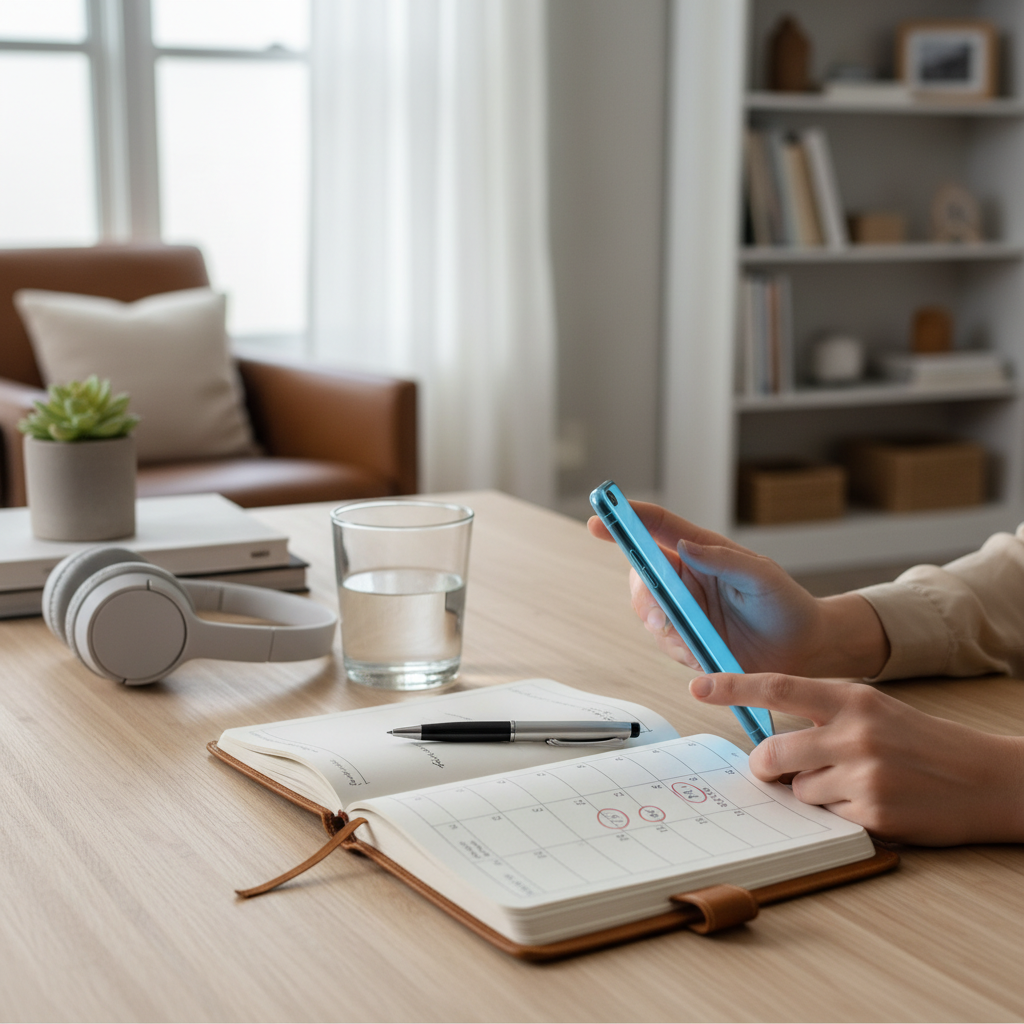
Switch from digital calendars and task management apps to physical notebooks and planners for the reset period. Writing by hand engages different neural networks than typing on screens and provides tactile satisfaction without digital stimulation. Choose a simple notebook system rather than elaborate productivity methods that might create additional stress. The goal is reducing screen time while maintaining organization and productivity. Many people find that handwritten planning improves memory retention and reduces the temptation to check other apps while reviewing their schedules.
Schedule Specific Digital Entertainment Periods
Rather than eliminating streaming services, YouTube, or online entertainment completely, designate specific 60-90 minute windows for digital consumption. This might be from 7-8:30 PM on weekdays or Sunday afternoons. Having predetermined times for digital entertainment prevents the all-day grazing that characterizes problematic usage patterns. You can still enjoy Netflix or YouTube, but you're consuming this content intentionally rather than as constant background stimulation throughout your day.
Create Phone-Free Eating Experiences
Every meal during the reset period should occur without any digital devices present. This includes breakfast, lunch, dinner, and snacks. Eating while distracted by screens reduces satisfaction and disrupts natural hunger and fullness signals. Focusing solely on food enhances taste perception and creates natural pleasure that doesn't require digital amplification. Restaurant meals become more enjoyable, home cooking feels more rewarding, and you often eat less overall because you're paying attention to satiation cues.
Track Changes in Sleep Quality and Energy
Monitor your sleep patterns, morning energy levels, and afternoon focus throughout the 14-day period using simple written notes. Most people notice improved sleep within the first week as their brains adjust to reduced evening stimulation. Energy levels often stabilize as dopamine sensitivity returns to normal ranges. Focus and attention span typically improve gradually, with significant changes becoming apparent during the second week. These physical improvements provide motivation to continue modified technology habits beyond the initial reset period.
Build Sustainable Long-Term Boundaries
The two-week reset period serves as foundation for permanent changes in your relationship with digital stimulation. Rather than returning to previous usage patterns, gradually reintroduce technology with intentional boundaries. This might mean keeping morning phone delays, maintaining phone-free meals, or preserving evening transition windows. The reset demonstrates that you can function effectively with less digital stimulation while highlighting which technology habits truly serve your goals versus those that simply fill time or provide mindless entertainment.
A successful dopamine reset creates lasting awareness of how digital stimulation affects your mental state, productivity, and overall life satisfaction. These insights become valuable tools for making informed decisions about technology use going forward, ensuring that your devices serve your intentions rather than controlling your attention and time.