
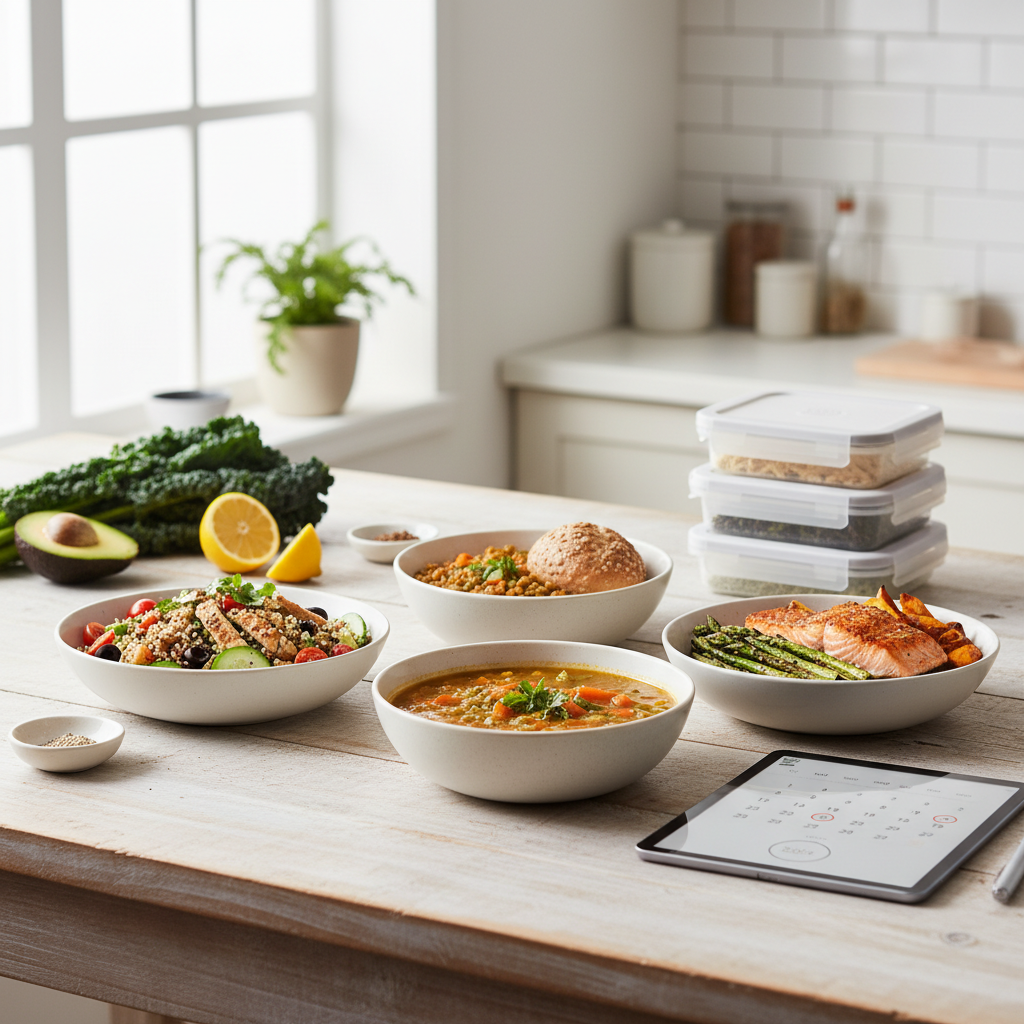
How the 3-Day Meal Rotation Method Eliminates Cooking Burnout While Maintaining Nutritional Variety
Staring at your pantry wondering what to make for dinner has become an exhausting daily ritual. You want to feed your family nutritious meals without spending your entire evening planning, shopping, and cooking elaborate dishes. The mental load of constantly deciding what to eat drains your energy before you even start preparing food.
The 3-day meal rotation method offers a structured approach to meal planning that reduces decision fatigue while ensuring nutritional balance. Instead of planning seven different dinners each week, you cycle through just three carefully chosen meals that provide complementary nutrients. This system eliminates the overwhelming choice paralysis that leads to takeout orders and processed convenience foods.
Start With Three Balanced Base Meals
Choose one protein-heavy meal, one vegetable-forward option, and one grain or legume-centered dish as your foundation. For example, Monday might feature grilled chicken with roasted vegetables, Wednesday could highlight a large salad with quinoa and chickpeas, and Friday might center around pasta with marinara and a side of steamed broccoli. These three meals should represent different cooking methods and flavor profiles to prevent monotony.
Each base meal should take no more than 30 minutes to prepare once you've established the routine. Focus on simple cooking techniques like roasting, sautéing, or quick boiling rather than complex preparations that require multiple steps.
Build Variation Through Strategic Substitutions
Within each meal category, rotate your proteins, vegetables, and seasonings to create subtle differences without changing the fundamental preparation method. Your protein-heavy meal might feature chicken on Monday, salmon on Thursday, and pork tenderloin the following Monday. The cooking method stays consistent, but the flavors and nutrients vary enough to prevent boredom.
Seasoning rotations work particularly well with this approach. Use Mediterranean herbs one week, Asian-inspired sauces the next, and Mexican spices during the third week. Brands like McCormick and Trader Joe's offer convenient spice blends that transform the same basic ingredients into completely different flavor experiences without requiring extensive ingredient lists.
Shop With a Recurring Grocery Template
Create a master shopping list that covers all three meal rotations for two weeks at once. This list should include your consistent staples like olive oil, salt, and basic seasonings, plus the rotating elements like different proteins and seasonal vegetables. Most grocery stores, including Kroger and Safeway, now offer online shopping with saved lists that you can modify slightly each week.
Buy proteins in bulk when they're on sale, then freeze portions sized for your specific meal rotation. This approach reduces both cost and decision-making since you'll already know exactly how much chicken, fish, or ground beef each meal requires.
Prep Components Rather Than Complete Meals
Spend 20 minutes each Sunday washing and chopping vegetables, portioning proteins, and cooking grains in bulk. Store these components in clear containers so you can quickly assemble meals throughout the week. This prep work eliminates the daily chopping and measuring that makes cooking feel time-consuming and overwhelming.
Focus on preparing ingredients that work across multiple meals rather than making complete dishes in advance. Roasted vegetables taste better when they're freshly reheated, and proteins maintain their texture when cooked fresh rather than reheated.
Use the Same Cookware for Each Meal Type
Designate specific pots and pans for each of your three meal rotations to streamline your cooking process. Always use the same large skillet for your protein-heavy meals, the same roasting pan for vegetable-forward dishes, and the same pot for grain-based meals. This consistency reduces the mental energy spent deciding which cookware to use and creates muscle memory around cooking times and techniques.
Keep the designated cookware clean and ready to use so you're never searching through cabinets or waiting for dishes to be available when it's time to start cooking.
Plan Buffer Meals for Disrupted Days
Identify two simple backup meals that use shelf-stable or frozen ingredients for days when your rotation gets disrupted by schedule changes or unexpected events. These might include frozen pizza with added vegetables or a simple pasta dish with jarred sauce and frozen meatballs from brands like Rao's or Barilla.
Buffer meals shouldn't require fresh ingredients or extensive preparation time. Their purpose is to prevent the meal rotation system from completely derailing when life interferes with your planned schedule.
Track Your Family's Preferences Over Time
Keep a simple note on your phone about which meal variations work best and which ones your family consistently enjoys. After a few weeks of rotation, you'll identify clear favorites that can become permanent fixtures while eliminating combinations that don't work well.
This tracking helps you refine the system over time without starting from scratch every few weeks. Notice which cooking methods your family prefers and which seasonings get the most positive responses, then lean into those preferences in future rotations.
Scale Portions for Planned Leftovers
Cook slightly larger portions of your most popular rotation meals to create intentional leftovers for lunch the next day or easy dinners later in the week. This approach maximizes your cooking effort while providing meal solutions beyond the three primary rotation days.
Leftovers work best with grain and legume-based meals since they typically improve in flavor overnight and reheat well. Protein-heavy meals should be consumed fresh when possible to maintain their texture and taste.
The 3-day rotation method transforms meal planning from a daily struggle into a reliable system that supports both your nutrition goals and your mental energy. As more families adopt structured approaches to cooking, meal planning will likely become even more systematic and less dependent on daily decision-making. The key lies in finding a balance between consistency and variety that works for your specific household preferences and schedule constraints.