
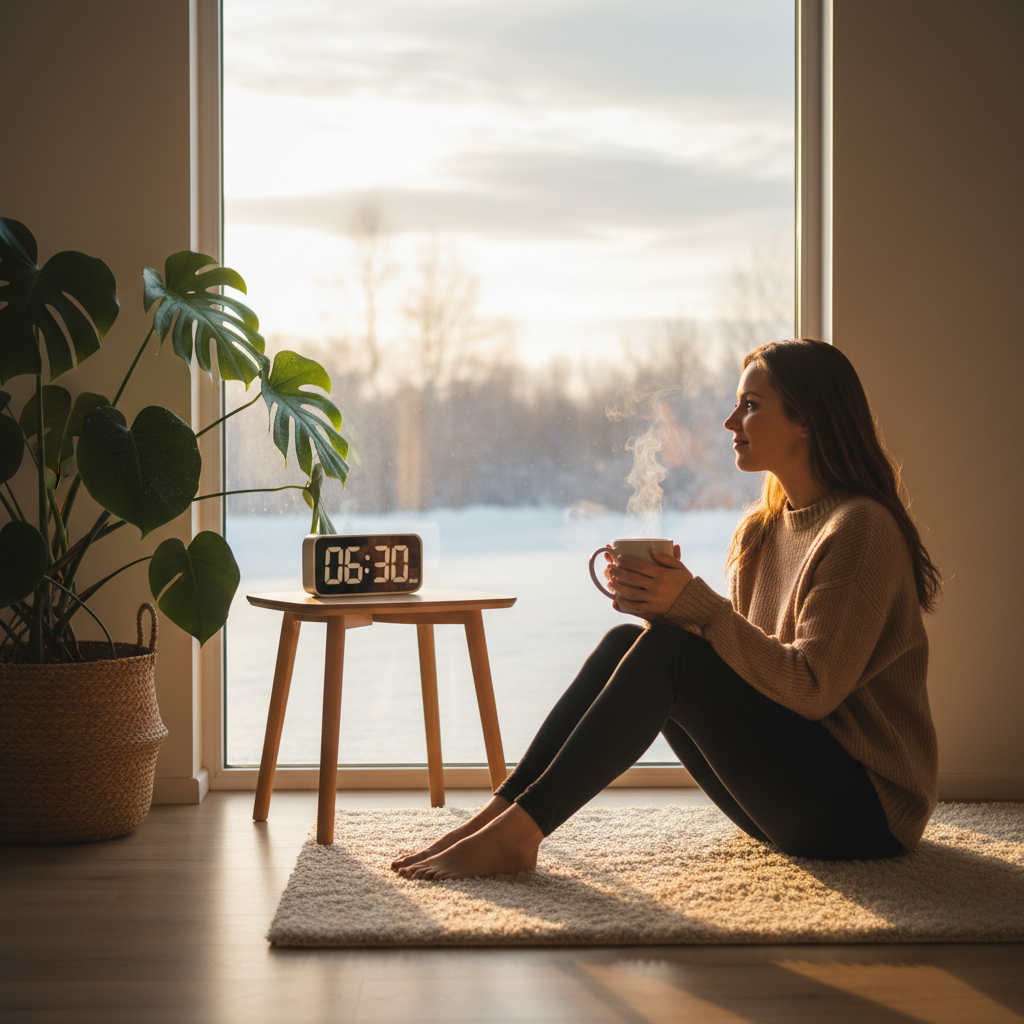
How the 30-30-30 Morning Light Method Regulates Circadian Rhythm and Prevents Seasonal Depression During Dark Winter Months
Winter's shortened daylight hours disrupt your body's natural rhythms, leaving many people feeling sluggish, moody, and mentally foggy during the colder months. Your circadian clock relies heavily on light exposure to regulate hormone production, sleep cycles, and energy levels throughout the day.
The 30-30-30 morning light method offers a structured approach to combat these seasonal challenges. This technique combines three critical timing elements: getting light exposure within 30 minutes of waking, maintaining that exposure for 30 minutes, and ensuring the light source provides at least 10,000 lux brightness positioned 30 centimeters from your face. Research consistently demonstrates that proper morning light therapy can significantly reduce symptoms of seasonal affective disorder while improving overall mood and energy levels.
Position Your Light Therapy Lamp at Eye Level
Proper positioning determines the effectiveness of your morning light exposure session. Place your light therapy lamp slightly above eye level and angled downward toward your face, mimicking natural sunlight patterns. The Verilux HappyLight and Philips SmartSleep models work well for this positioning because they offer adjustable stands and diffused light panels. Avoid looking directly into the light source, but ensure the illumination reaches your peripheral vision consistently throughout the session. This setup allows you to read, eat breakfast, or check emails while receiving therapeutic light exposure.
Start Your Session Immediately Upon Waking
Timing plays a crucial role in resetting your circadian rhythm effectively. Begin light therapy within the first 30 minutes after waking, preferably while cortisol levels naturally rise to promote alertness. Keep your light therapy device next to your bed or in your bathroom so you can start exposure before other morning activities interfere. Even if you wake up before sunrise, consistent early light exposure trains your body to anticipate this daily reset. This immediate timing helps suppress residual melatonin production while signaling your brain to begin the active phase of your circadian cycle.
Maintain Consistent Exposure Duration Daily
Commit to exactly 30 minutes of light exposure each morning, regardless of weekend schedules or varying wake times. Set a gentle timer on your phone or use apps like Sleep Cycle that include light therapy reminders. Shorter sessions provide insufficient circadian stimulation, while longer exposures can lead to afternoon energy crashes or evening sleep difficulties. Consistency matters more than perfection, so if you occasionally miss a session, resume your routine the next morning without extending subsequent sessions. This steady pattern helps establish predictable hormone release cycles that support sustained energy and mood stability.
Combine Light Therapy With Gentle Movement
Incorporating light physical activity during your light exposure session amplifies the circadian benefits. Simple movements like stretching, yoga poses, or marching in place enhance circulation while your body absorbs therapeutic light. The combination signals your nervous system to transition fully into daytime mode, improving alertness and reducing morning grogginess. Nordic walking poles or resistance bands work well for seated light therapy sessions, allowing movement without requiring dedicated exercise space. This dual approach creates stronger associations between light exposure and active energy states.
Track Your Mood and Energy Patterns
Document daily mood ratings, energy levels, and sleep quality to monitor your progress with the 30-30-30 method. Use simple scales from one to ten, noting patterns that emerge after consistent light therapy practice. Apps like Daylio or Mood Meter make tracking straightforward while providing visual progress charts over time. Many people notice improvements within one to two weeks, but individual responses vary based on baseline light sensitivity and seasonal depression severity. This data helps you adjust timing or duration if needed while providing motivation during challenging winter periods.
Adjust Light Intensity Based on Seasonal Needs
Modify your light therapy intensity throughout winter months as natural daylight availability changes. November through February typically require maximum brightness settings, while early fall and late spring benefit from moderate intensity levels. Most quality light therapy devices offer multiple brightness options, allowing gradual adjustments as seasons transition. Monitor your response to different intensities, reducing brightness if you experience headaches or increasing it if mood benefits plateau. Weather patterns also influence daily needs, with overcast periods requiring higher intensity than partially sunny mornings.
Create a Dedicated Light Therapy Space
Designate a specific area in your home for consistent morning light therapy sessions. This space should accommodate comfortable seating, your light device, and activities like reading or light meals. Having a dedicated setup reduces daily decision-making while creating positive associations with your morning routine. Consider factors like proximity to electrical outlets, comfortable room temperature, and minimal distractions from household activity. The Northern Light Technology desk models work well for compact spaces, while larger units like the Carex Day-Light Classic suit spacious areas better.
Coordinate Light Therapy With Meal Timing
Align your 30-minute light exposure with breakfast or morning beverages to create sustainable daily habits. Eating during light therapy sessions helps anchor the routine while supporting natural circadian meal timing patterns. Choose simple foods that don't require constant attention, allowing you to maintain proper positioning relative to your light source. This combination approach reinforces multiple biological rhythms simultaneously, strengthening overall circadian regulation. The routine becomes more enjoyable and less clinical when paired with pleasant morning activities.
The growing understanding of light therapy's impact on mental health continues expanding treatment options for seasonal mood disorders. Smart home integration and personalized light therapy devices will likely offer more precise timing and intensity adjustments tailored to individual circadian patterns in coming years.