How the 30-Day Price Tracking Method Reveals the Best Time to Buy Electronics and Appliances
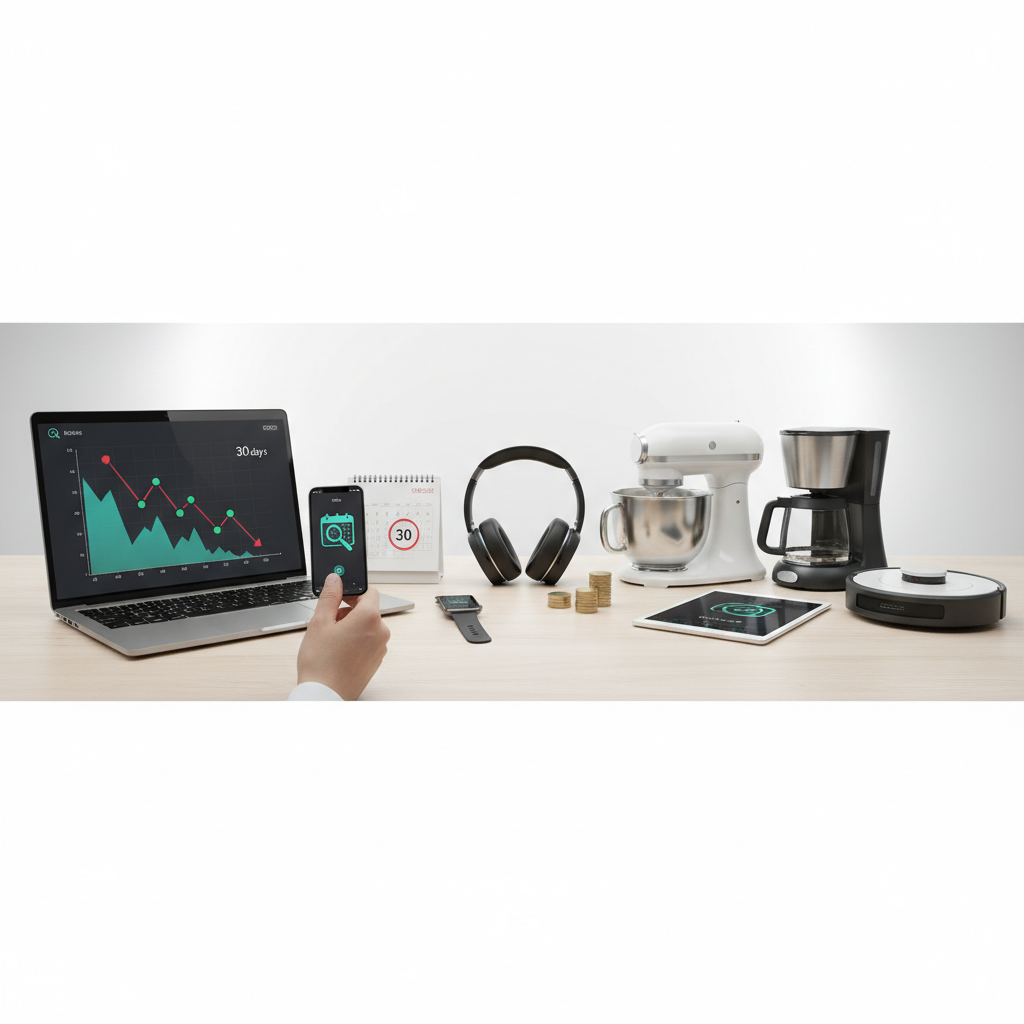
Electronics and appliance prices fluctuate dramatically throughout the year, often following predictable patterns that most shoppers never notice. The 30-day price tracking method transforms this chaotic marketplace into a strategic advantage, revealing when your desired items hit their lowest prices and when you should absolutely wait.
Most major retailers adjust prices based on inventory cycles, seasonal demand, and competitor movements. Without systematic tracking, you might purchase a laptop on Tuesday for $899 that drops to $649 just two weeks later. This method eliminates that frustration by giving you the data needed to time your purchases perfectly.
Set Up Price Alerts Across Multiple Platforms
Start by creating alerts on Honey, CamelCamelCamel, and Keepa for your target items. Each platform monitors different retailers and catches price drops the others might miss. Set your desired price threshold at 20-30% below the current listing price. Many retailers like Best Buy and Amazon adjust prices multiple times per day, so these automated systems capture fluctuations you'd never notice manually. The key is casting a wide net across platforms rather than relying on a single tracking service.
Document Weekly Price Patterns on Spreadsheets
Record prices every Monday, Wednesday, and Friday for each item you're tracking. Note the retailer, exact price, and any promotional codes available that day. After two weeks, patterns emerge clearly. TVs often drop on Sundays when retailers prep for Monday sales events. Kitchen appliances frequently see Wednesday price cuts as stores adjust for weekend shopping surges. This manual documentation reveals timing patterns that automated alerts miss, giving you predictive power for future purchases.
Track Seasonal Inventory Clearance Cycles
Major electronics follow predictable clearance schedules tied to new model releases. TVs hit lowest prices in January and February as manufacturers clear inventory before spring launches. Laptops drop significantly in July and August before back-to-school promotions begin. Appliances reach bottom prices in September and October as retailers make room for holiday inventory. Mark these windows on your calendar and adjust your tracking timeline accordingly. Understanding these cycles prevents impulse purchases during high-price periods.
Monitor Competitor Price Matching Windows
Target, Walmart, and Best Buy all offer price matching, but their policies change throughout the year. Track not just your item's price but also which stores are offering matches during your 30-day window. Some retailers stop price matching during Black Friday week but resume immediately after. Others expand their matching policies during slow sales periods in January and February. Knowing these policy shifts lets you leverage price matching even when your preferred retailer isn't running sales.
Compare Refurbished and Open-Box Timing
Refurbished inventory from manufacturers like Apple and Samsung follows different cycles than new products. These items typically increase in availability 60-90 days after new model launches as early adopters return or exchange their purchases. Track both new and refurbished prices simultaneously during your 30-day window. Sometimes refurbished prices drop below clearance new item prices, especially for premium brands. Open-box items at stores like Best Buy peak on Mondays as weekend returns get processed and marked down.
Calculate Total Cost Including Extended Warranties
Price tracking becomes meaningless if you don't factor in protection plans and extended warranties. During your 30-day monitoring period, track warranty pricing alongside product prices. Costco often includes extended coverage automatically, making their slightly higher product prices actually cheaper overall. Some credit cards offer purchase protection that eliminates the need for store warranties entirely. Document these hidden costs to ensure your price comparison reflects the true total expense, not just the sticker price.
Identify Bundle Deal Sweet Spots
Many retailers offer bundles that change weekly throughout your tracking period. A washer and dryer might cost $1,800 individually but drop to $1,400 as a bundle during specific promotional windows. Track individual prices alongside bundle offers to identify when bundling provides genuine savings versus marketing illusions. Home Depot and Lowe's frequently rotate their appliance bundle promotions, making timing crucial for maximizing savings on multiple items.
Leverage Credit Card Seasonal Bonus Categories
Chase Freedom and Discover often feature electronics or home improvement as quarterly bonus categories, effectively reducing your final price by 5% during specific months. Track these bonus periods alongside product prices to optimize both the item cost and payment method rewards. Some cards offer price protection that refunds the difference if prices drop within 90 days of purchase. Factor these benefits into your tracking spreadsheet to identify the optimal purchase window that maximizes both price savings and credit card rewards.
The retail landscape continues evolving toward more dynamic pricing models, making systematic tracking increasingly valuable. As artificial intelligence drives more frequent price adjustments and personalized pricing becomes standard, the 30-day tracking method will become essential for any significant electronics or appliance purchase.