How the 40-8-40 Weekly Communication Method Prevents Text Message Overwhelm While Maintaining Important Relationships
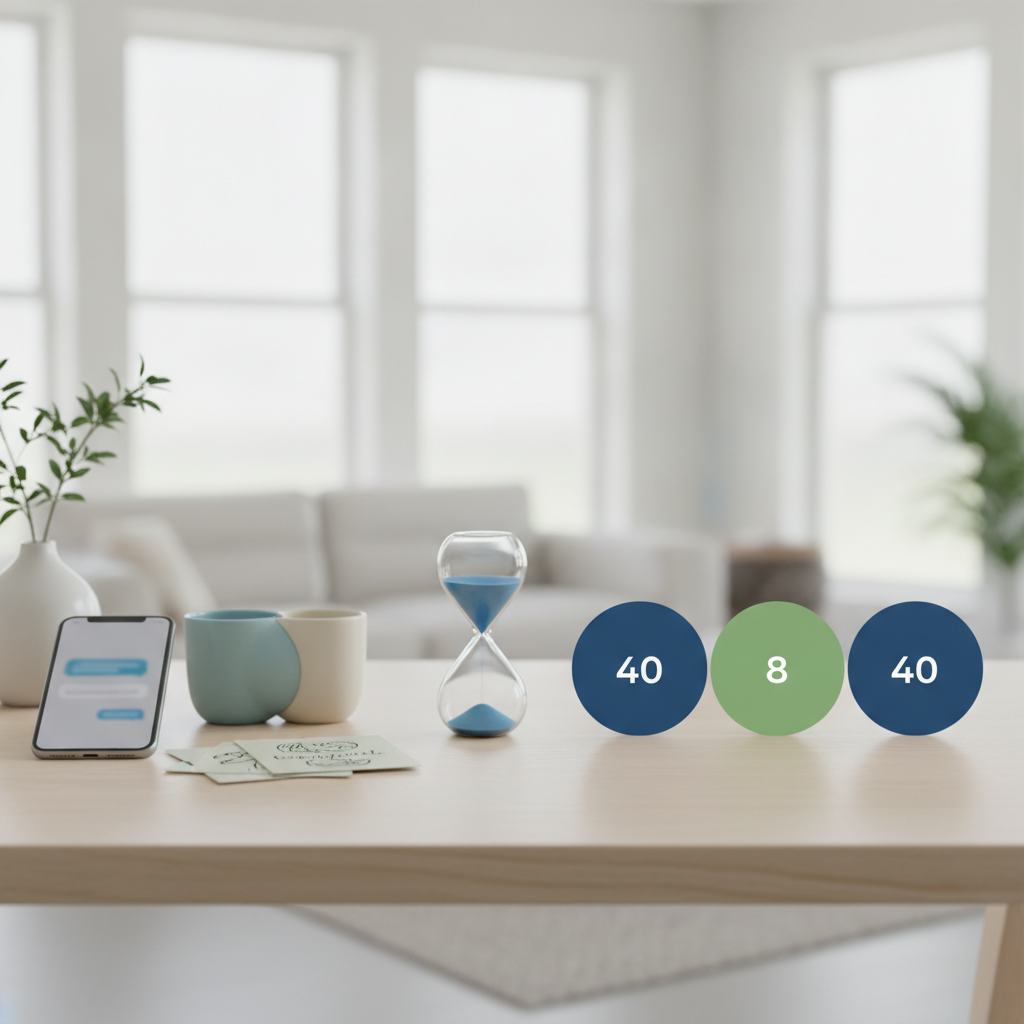
Your phone buzzes with another text notification while you're still scrolling through unread messages from yesterday. Between group chats, work communications, family updates, and friend check-ins, the constant stream of digital conversation has transformed staying connected into a source of stress rather than joy. The 40-8-40 method creates structured boundaries around your weekly communication habits while preserving the relationships that matter most.
Allocate 40 Hours for Passive Message Processing
Designate 40 hours of your week for low-pressure message consumption where responses aren't expected immediately. This includes scrolling through group chats, reading family updates, and catching up on casual friend conversations. During these periods, you can absorb information and maintain social awareness without feeling compelled to actively participate. Set specific apps like WhatsApp or Facebook Messenger to "read" mode during these windows, allowing you to stay informed while managing response pressure.
Reserve 8 Hours for Active Communication Windows
Block out eight focused hours weekly for intentional, real-time conversations that require immediate attention and thoughtful responses. Schedule these communication sessions during times when you feel mentally fresh, such as morning coffee breaks or evening wind-down periods. Turn on read receipts and typing indicators only during these windows, signaling to contacts when you're available for active dialogue. This concentrated approach transforms scattered messaging into meaningful exchanges.
Protect 40 Hours as Communication-Free Recovery Time
Establish 40 hours each week where you're completely unavailable for non-emergency digital communication. Use iPhone's Focus modes or Android's Do Not Disturb features to automatically silence messaging apps while keeping calls from designated emergency contacts active. This recovery period allows your brain to process social information without constant input, reducing the mental fatigue that comes from perpetual connectivity. Communicate these boundaries clearly to close friends and family members.
Create Category-Based Response Timing Expectations
Develop different response timeframes based on message types and sender relationships. Work communications get priority during business hours, family messages receive same-day responses, and social group chats get weekly check-ins during your active communication windows. Share these expectations with frequent contacts so they understand your communication rhythm. This prevents misunderstandings while reducing pressure to respond immediately to every notification.
Use Voice Messages During Active Communication Windows
Switch to voice messages during your eight-hour active periods to add emotional nuance while reducing typing time. Voice communication conveys tone and personality more effectively than text, making conversations feel more personal and connected. Apps like Telegram and WhatsApp make voice messaging seamless, and most people appreciate the extra effort voice messages represent. This method deepens relationships while streamlining your communication process.
Batch Similar Conversations Into Communication Blocks
Group related conversations together during your active communication hours to maintain mental context and reduce cognitive switching costs. Handle all work-related messages during designated business hour blocks, process family communications during evening sessions, and address friend group chats during weekend morning periods. This batching approach prevents the mental fatigue that comes from constantly shifting between different relationship contexts and communication styles throughout the day.
Schedule Weekly Relationship Maintenance Reviews
Dedicate 30 minutes each Sunday to review which relationships need attention and plan communication priorities for the upcoming week. Identify friends who haven't heard from you recently, family members with important updates, and professional contacts requiring follow-up. This proactive approach ensures important relationships don't get lost in the daily messaging shuffle while preventing guilt about missed connections.
Set Automatic Responses That Explain Your System
Craft auto-reply messages that briefly explain your 40-8-40 communication approach without overwhelming contacts with unnecessary detail. Simple messages like "I check messages actively Tuesday/Thursday evenings and Sunday mornings" set clear expectations while maintaining professionalism. Customize these responses for different platforms - LinkedIn requires more formal language than Instagram or Snapchat. Clear communication about your boundaries paradoxically improves relationship quality by reducing uncertainty.
The 40-8-40 method transforms overwhelming digital communication into a sustainable system that honors both your mental energy and your relationships. As messaging platforms continue evolving with features like scheduled send and enhanced automation, having structured communication boundaries becomes even more valuable for maintaining authentic human connection in an increasingly digital world.