
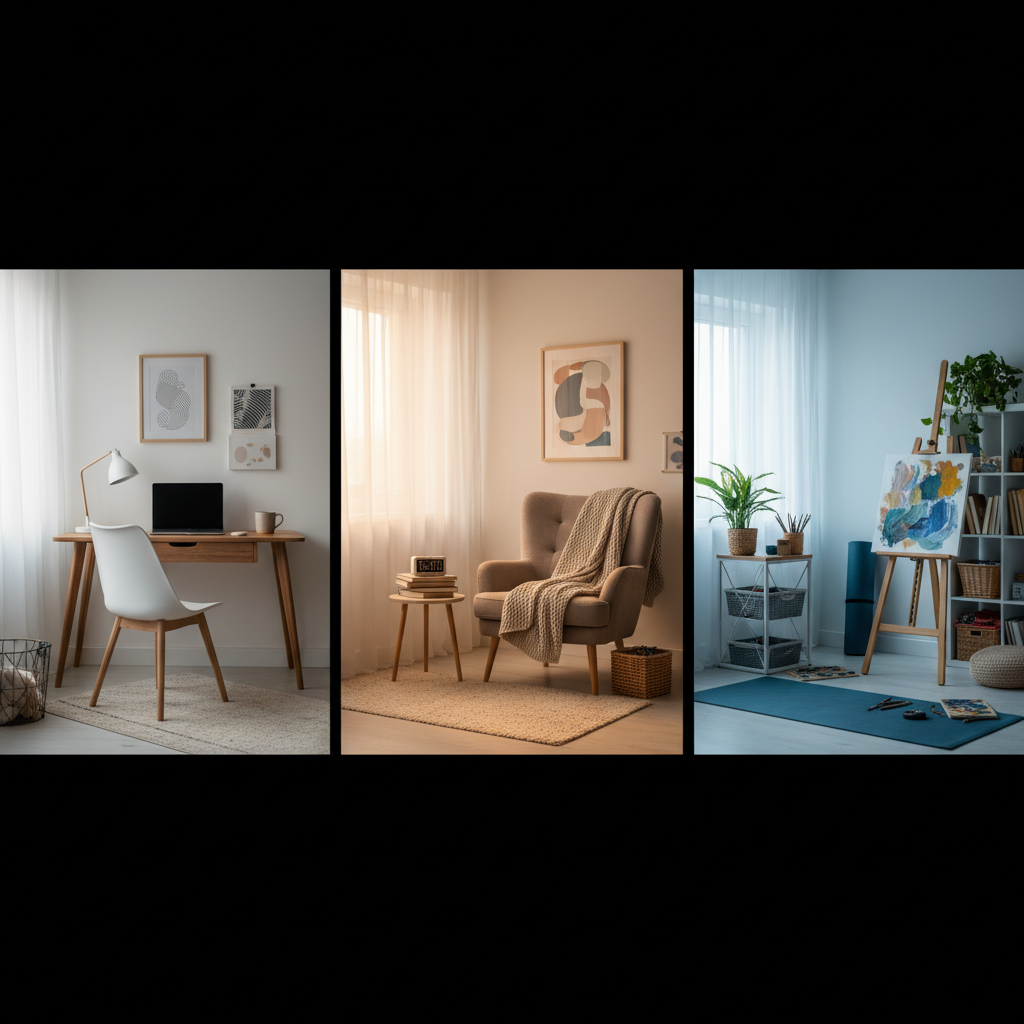
How the 45-15-45 Room Transition Method Maintains Focus When Moving Between Different Daily Activities at Home
Home blurs the lines between work, family time, personal care, and relaxation in ways that constantly challenge your mental focus. Moving from a Zoom meeting to helping kids with homework, then shifting to meal prep before settling into evening reading creates jarring transitions that fragment your attention throughout the day.
The constant context switching between different activities in the same physical space leaves many people feeling scattered and unfocused. Your brain needs clear signals to shift gears effectively, but traditional home environments often lack the natural boundaries that offices, schools, or other dedicated spaces provide.
Create Physical Movement Patterns Between Each Room
The 45-15-45 method uses deliberate room transitions to reset your mental state between activities. Spend 45 minutes in your designated work space, take 15 minutes to physically move through your home, then spend 45 minutes in a different room for your next activity. This physical movement triggers neurological changes that help your brain recognize the shift from one context to another. Walk from your home office to the kitchen, spend a few minutes organizing or cleaning, then settle into your next focused session in the living room or bedroom.
Use the 15-Minute Buffer to Reset Your Environmental Cues
During your 15-minute transition period, actively change the sensory environment in your next space. Adjust lighting, open or close windows, change background sounds, or even switch scents using candles or essential oils. Companies like Philips Hue make it easy to program different lighting scenes for various activities. These environmental shifts signal to your subconscious that you're entering a new phase of your day. Your brain responds to these cues by releasing different neurotransmitters associated with focus, creativity, or relaxation depending on the context you create.
Establish Different Seating Positions for Each Activity Type
Your physical posture dramatically influences your mental state and focus levels. Use your 15-minute transition to consciously change your body position for the next activity. Move from a desk chair to a yoga ball, from the couch to a standing desk, or from the kitchen table to a floor cushion. Each position activates different muscle groups and changes blood flow patterns, which affects cognitive function. This simple shift helps prevent the mental fatigue that comes from maintaining the same posture across multiple unrelated tasks.
Clear Visual Clutter Between Room Transitions
Visual distractions from previous activities can unconsciously pull your attention away from current tasks. Spend part of your 15-minute buffer removing or organizing items related to your last activity before setting up for the next one. Put away work materials before family time, clear crafting supplies before switching to reading, or organize kitchen tools before sitting down for computer work. Apps like Todoist can help you create quick tidying checklists for different spaces. This physical clearing mirrors the mental clearing you need for sustained focus.
Set Specific Audio Cues for Each Room and Activity
Your auditory environment powerfully influences concentration and mood. Create distinct soundscapes for different rooms and activities during your transition time. Play classical music in your office space, nature sounds in your reading area, or upbeat instrumental tracks in creative spaces. Spotify and Apple Music offer curated playlists designed for specific cognitive states. The key is consistency—always use the same audio cue for the same type of activity so your brain learns to associate particular sounds with particular focus states.
Use Temperature Changes to Signal Mental State Shifts
Body temperature affects alertness, creativity, and cognitive performance in measurable ways. During your transition period, make deliberate temperature adjustments to support your next activity. Cool down rooms slightly for analytical work, warm them for creative tasks, or open windows for fresh air during reflection time. Even small changes like removing or adding layers of clothing can signal to your nervous system that you're shifting into a different mode. Smart thermostats like Nest make it simple to program temperature changes throughout the day.
Create Ritual Objects That Move With You
Designate specific objects that accompany you during certain types of activities and physically transport them during transitions. Use a particular coffee mug for morning work, a specific notebook for creative sessions, or a favorite blanket for reading time. The act of carrying these items from room to room during your 15-minute buffer reinforces the mental transition between activities. These physical anchors help maintain focus by creating consistency within change, giving your brain familiar touchstones even as the environment shifts.
Practice Brief Mindfulness During Each Room Change
Use part of your transition time for a short mindfulness practice that helps you mentally release the previous activity and prepare for the next one. Take five deep breaths, do a quick body scan, or practice a brief gratitude reflection as you move between spaces. This conscious pause prevents mental residue from one task from interfering with the next. Even busy parents can practice these micro-meditations while walking from room to room or while adjusting environmental settings.
The 45-15-45 room transition method works because it honors how your brain actually processes change and focus. Rather than expecting instant mental shifts between vastly different activities, this approach provides the physical movement, sensory reset, and conscious pause your nervous system needs to maintain sustained attention throughout the day. The method becomes more effective with practice as your brain learns to associate specific rooms, postures, and cues with particular types of focused work.