
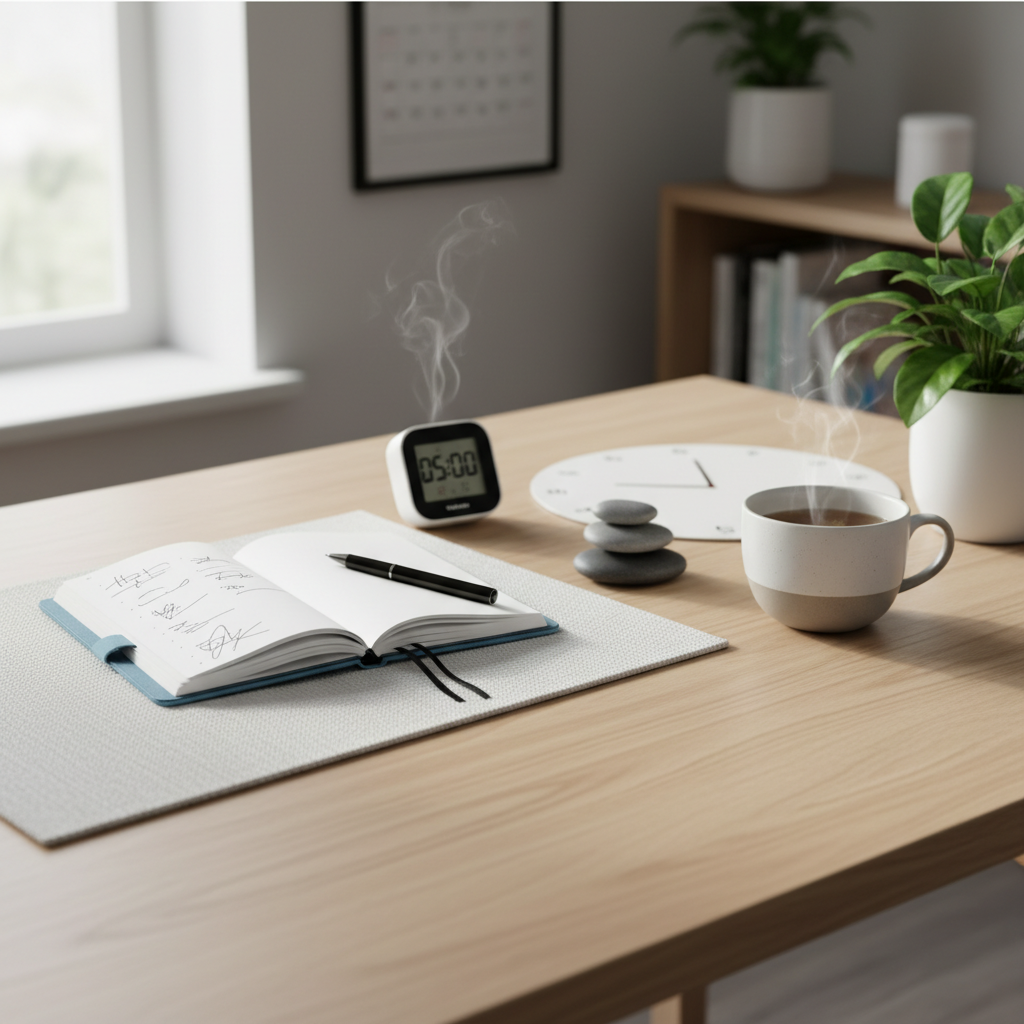
How the 5-15-5 Micro-Journaling Method Processes Daily Emotions Without Time-Consuming Traditional Diary Writing
Emotional processing often gets pushed aside when traditional journaling feels too overwhelming or time-consuming. The blank page stares back, demanding profound insights and eloquent reflections that many people simply don't have energy for after long days. Yet emotions accumulate without proper processing, creating mental clutter that affects sleep, relationships, and decision-making.
The 5-15-5 micro-journaling method offers a structured alternative that processes daily emotions in just 25 minutes without requiring extensive writing skills or deep introspection. This approach breaks emotional processing into three distinct phases: five minutes of emotional identification, fifteen minutes of guided exploration, and five minutes of resolution planning.
Start With Five Minutes of Emotion Labeling
Begin each session by setting a timer for exactly five minutes and writing down every emotion you experienced during the day. Don't analyze or explain these feelings—simply name them. Use basic emotion words like frustrated, excited, anxious, grateful, or disappointed. Apps like Daylio or Mood Tools can help identify emotions if you struggle with emotional vocabulary. The goal involves creating a comprehensive emotional inventory without judgment or elaboration. This rapid-fire approach prevents overthinking and captures authentic emotional experiences before your logical mind starts filtering or minimizing them.
Use the Fifteen-Minute Exploration Phase for Context
The middle fifteen minutes focus on exploring one or two primary emotions from your initial list. Choose the emotions that feel most significant or persistent from your day. Write about the specific situations that triggered these feelings, using simple sentences and everyday language. Describe what happened, who was involved, and how your body felt during these moments. Popular journaling apps like Journey or Day One can provide helpful prompts during this phase. The extended timeframe allows deeper exploration without the pressure of traditional journaling's open-ended format.
Apply the Final Five Minutes to Forward Planning
Conclude each session by spending five minutes identifying specific actions or mindset shifts for tomorrow. If you felt overwhelmed by work demands, write down one concrete strategy like blocking calendar time for focused tasks. If you experienced social anxiety, note one small step toward addressing that discomfort. This forward-looking approach transforms emotional processing from dwelling on problems into active problem-solving. The brief timeframe prevents perfectionism while ensuring each session concludes with actionable insights rather than circular thinking.
Create Consistent Environmental Cues for Success
Establish a dedicated micro-journaling space that signals your brain to shift into reflection mode. This might involve a specific notebook placed beside your bed, a particular corner of your kitchen table, or a designated app folder on your phone. Starbucks locations often work well for people who prefer public spaces with gentle background noise. The physical consistency helps your mind transition more quickly into emotional processing mode. Environmental cues reduce the mental energy required to begin each session while building stronger habit associations.
Track Emotional Patterns Without Complex Analysis
Use simple symbols or colors to mark recurring emotional themes in your micro-journal entries. Draw a small star next to work-related stress, use blue ink for social situations, or place brackets around family dynamics. These visual markers help identify patterns without requiring sophisticated analytical skills. Apps like Reflectly automatically categorize emotional content, making pattern recognition even simpler. Over several weeks, these visual cues reveal emotional trends that might otherwise go unnoticed in daily life.
Adapt the Method for Different Life Phases
Modify the 5-15-5 structure based on your current emotional needs and life circumstances. During particularly stressful periods, extend the exploration phase to 20 minutes while shortening the identification phase to three minutes. When life feels stable, spend more time on forward planning to build emotional resilience. Parents might practice this method during children's naptime, while commuters can use voice-recording apps during transit. The flexible timeframes accommodate changing schedules while maintaining the essential emotional processing benefits.
Build Emotional Vocabulary Through Consistent Practice
Regular micro-journaling naturally expands your emotional vocabulary and self-awareness over time. Initially, you might rely on basic words like good, bad, or stressed. Within several weeks of consistent practice, you'll naturally begin distinguishing between similar emotions like frustrated versus overwhelmed, or excited versus anxious. This enhanced emotional vocabulary improves communication with family members, colleagues, and healthcare providers. Digital tools like the Emotion Wheel can supplement your growing emotional awareness during the identification phase.
Address Resistance to Emotional Processing
Many people resist emotional processing because they fear confronting difficult feelings or believe emotions should be controlled rather than explored. The 5-15-5 method's time constraints provide built-in safety measures that prevent overwhelming emotional deep-dives. If intense emotions arise during the fifteen-minute exploration phase, you know the session will end soon with forward-focused planning. This structured approach makes emotional processing feel manageable rather than potentially endless or destructive.
Micro-journaling represents a growing trend toward bite-sized wellness practices that fit into modern lifestyles without requiring major time commitments. As mental health awareness continues expanding, expect to see more apps and tools designed specifically for brief, structured emotional processing. The combination of time efficiency and emotional effectiveness makes methods like 5-15-5 particularly valuable for maintaining mental wellness in increasingly busy lives.