How the 5-2-5 Phone Placement Method Reduces Digital Distractions While Maintaining Emergency Accessibility
Your phone buzzes during dinner, pings while you're reading, and somehow finds its way into your hand during conversations. The constant accessibility that makes smartphones so useful also makes them one of the biggest barriers to focused attention and meaningful presence in daily life.
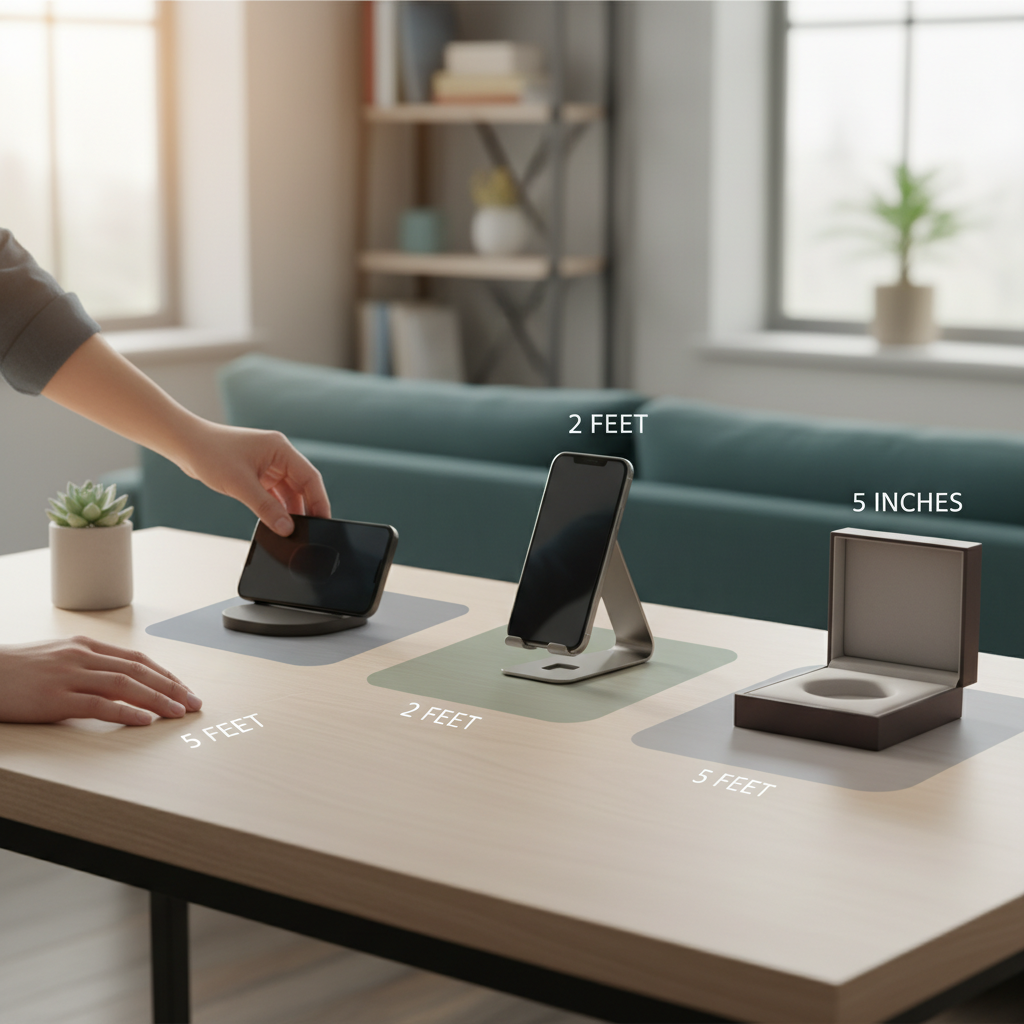
The 5-2-5 method offers a structured approach to phone placement that dramatically reduces impulse checking while keeping your device accessible for genuine emergencies. This system divides your day into strategic zones where your phone's proximity matches your actual needs rather than your digital habits.
Position Your Phone Five Feet Away During Focused Work
Place your phone at least five feet from your workspace during concentrated tasks like writing, studying, or creative projects. This distance requires a deliberate decision to check your device rather than allowing unconscious reaching. Research from Samsung's Digital Wellbeing team shows that this physical barrier reduces checking frequency by roughly sixty percent while maintaining your ability to hear important calls. The key is making phone access slightly inconvenient without creating complete separation anxiety.
Create Two-Room Separation During Meals and Social Time
Keep your phone in a different room entirely during meals and face-to-face conversations. This two-room buffer eliminates visual distractions and phantom vibration sensations that pull attention away from present-moment experiences. Many families using this approach report improved conversation quality and reduced mealtime tension. Your phone remains accessible enough to hear emergency calls while creating genuine presence during interpersonal connections that matter most.
Return to Five-Foot Distance for Evening Relaxation
During evening wind-down activities like reading or gentle conversation, return to the five-foot placement rule. This maintains emergency accessibility while preventing the automatic scroll sessions that often hijack relaxation time. Position your phone on a hallway table or kitchen counter rather than the coffee table or bedside stand. The slight inconvenience helps distinguish between genuine communication needs and habitual digital fidgeting that undermines rest.
Use Airplane Mode During Deep Work Sessions
Activate airplane mode while keeping your phone within the five-foot range during tasks requiring sustained concentration. This eliminates notification interruptions while maintaining your device's clock, timer, and offline functions that support productivity. Emergency calls can still reach you through landlines or workplace systems when necessary. Apple and Google both report that users who implement strategic airplane mode usage experience thirty percent longer periods of uninterrupted focus.
Designate Specific Check-in Windows Throughout Your Day
Schedule three specific times daily for intentional phone interaction: mid-morning, early afternoon, and early evening. During these windows, bring your device closer and address messages, notifications, and communication needs deliberately. This prevents the scattered attention that comes from constant availability while ensuring you remain responsive to important communications. Each check-in should last fifteen to twenty minutes maximum.
Create Physical Charging Stations in Low-Traffic Areas
Establish dedicated charging zones in areas you don't frequently occupy, such as laundry rooms, hallways, or home office spaces. When your phone needs power, this natural transition point reinforces the 5-2-5 boundaries while serving a practical function. Many users find that charging stations become automatic implementation cues for digital boundaries. The physical act of plugging in your device signals a shift toward more intentional phone usage.
Practice Emergency Contact Alternatives for True Urgency
Share your work phone number, partner's contact information, or established emergency protocols with close family members who might need immediate access during true crises. This safety net allows you to maintain the 5-2-5 boundaries without anxiety about missing genuine emergencies. Most urgent situations involve medical issues, childcare needs, or safety concerns that warrant interrupting your digital boundaries. Clear communication about these alternatives reduces the anxiety that often undermines distance-based phone management.
Implement Gradual Distance Increases During Weekend Recharge Time
Use weekends to practice extended versions of the 5-2-5 method by increasing distances during leisure activities. Leave your phone in the car during short walks, in the house during yard work, or in another room during hobby time. These longer separations help recalibrate your tolerance for device distance while reinforcing that most notifications can wait several hours without consequences. Weekend practice builds confidence for maintaining boundaries during busier weekday schedules.
The 5-2-5 method works because it acknowledges both your need for digital connection and your deeper need for sustained attention. As workplace flexibility continues expanding and remote work becomes more prevalent, mastering intentional phone placement becomes increasingly valuable for maintaining productivity and presence in an always-connected world.