
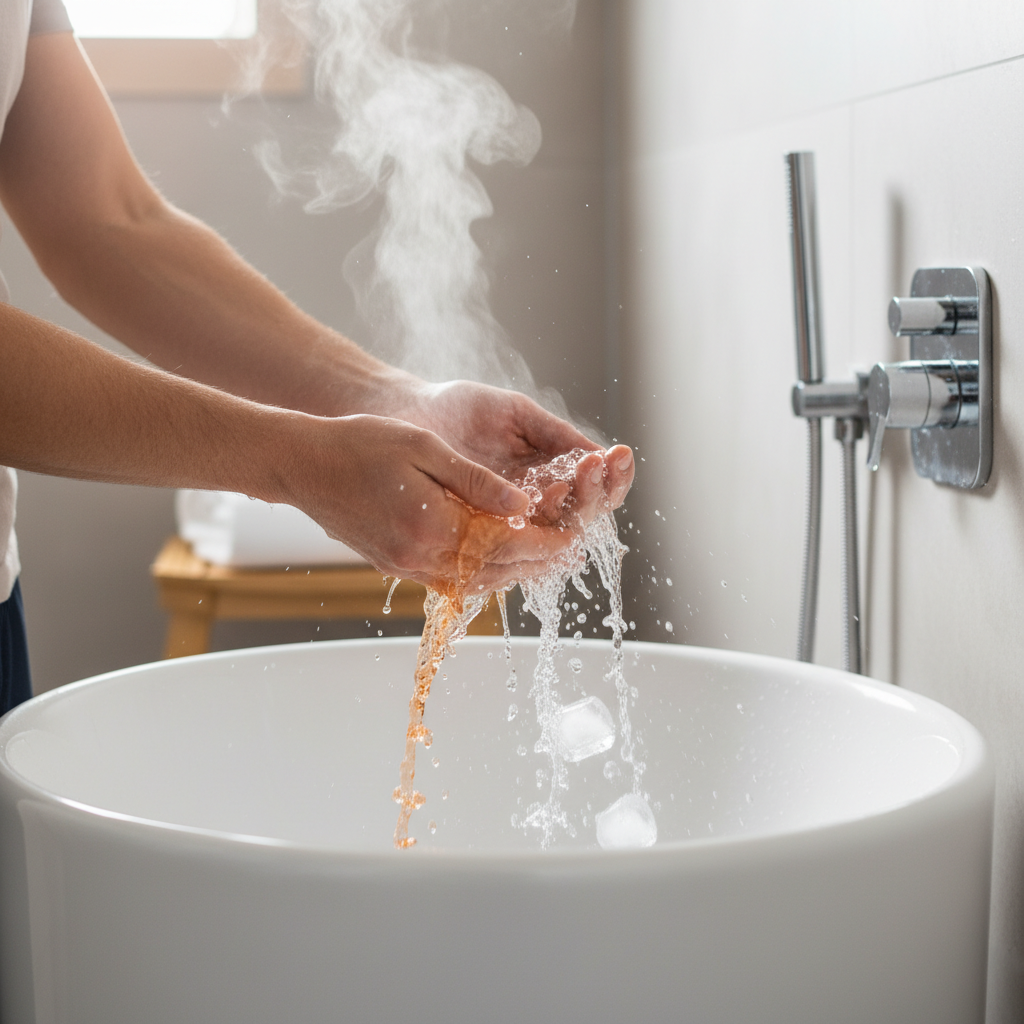
How the 5-3-5 Morning Temperature Contrast Method Using Hot and Cold Water Boosts Circulation and Mental Alertness Without Expensive Equipment
Many people struggle with sluggish mornings and poor circulation, especially during colder months when blood vessels constrict and energy levels plummet. The desire for mental sharpness and physical vitality often leads to expensive cold plunge tubs or elaborate wellness routines that require significant time and investment.
The 5-3-5 temperature contrast method offers a simple solution using nothing more than your existing bathroom fixtures. This technique alternates between hot and cold water exposure to stimulate circulation, activate the nervous system, and create lasting alertness that rivals any expensive biohacking device.
Start With Five Minutes of Warm Water Exposure
Begin your contrast session with five minutes of comfortably warm water, whether in the shower or bath. This initial phase prepares your circulatory system by dilating blood vessels and increasing heart rate gradually. The warm water activates your parasympathetic nervous system, creating a relaxed baseline before the contrast begins. Many people find that starting around 98-102 degrees Fahrenheit provides the optimal warming effect without causing excessive sweating. This preparation phase also helps your body adjust to the temperature manipulation that follows.
Transition to Three Minutes of Cold Water Immersion
After the warm phase, immediately switch to the coldest water temperature your system can tolerate for exactly three minutes. This sudden temperature drop triggers vasoconstriction, forcing blood toward your core organs and activating your sympathetic nervous system. The cold exposure stimulates norepinephrine release, a neurotransmitter that enhances focus and alertness for several hours afterward. Even using regular tap water at its coldest setting provides sufficient contrast to generate the physiological benefits. Breathe deeply and steadily throughout this phase to maximize the adaptation response.
Complete the Cycle With Five Minutes of Hot Water Recovery
Finish with another five-minute warm water phase to restore comfortable body temperature and complete the vascular training cycle. This final warming period allows blood vessels to redilate in a controlled manner, improving overall circulation patterns. The contrast between extreme temperatures creates a pumping action in your circulatory system, similar to interval training for your cardiovascular network. This recovery phase also helps prevent any shock to your system while locking in the alertness benefits. Most people report feeling energized and mentally sharp for three to four hours after completing the full cycle.
Focus on Gradual Temperature Adaptation Over Time
Your tolerance for temperature extremes will improve significantly within two to three weeks of consistent practice. Start with less dramatic temperature differences and shorter duration periods if the full protocol feels overwhelming initially. The key lies in progressive adaptation rather than forcing your system beyond its current capacity. Many beginners begin with lukewarm-to-cool transitions before advancing to the full hot-to-cold contrast. Companies like Kohler and Moen manufacture shower systems with precise temperature controls, though standard fixtures work perfectly well for this method.
Time Your Sessions for Maximum Cognitive Benefits
Perform your 5-3-5 contrast session within thirty minutes of waking to align with your natural cortisol rhythm and extend morning alertness. The temperature manipulation amplifies your body's natural awakening process, creating sustained mental clarity throughout your most productive hours. Avoid evening sessions, as the stimulating effects can interfere with sleep quality even six to eight hours later. Weekend sessions provide excellent training opportunities when you have more flexibility with timing and recovery. The optimal window occurs before consuming caffeine, allowing the natural alertness boost to work synergistically with any morning stimulants.
Monitor Your Body's Response and Adjust Accordingly
Pay attention to how your cardiovascular system responds during each phase, particularly if you have any underlying health conditions. Some people experience light-headedness during the transition phases, which typically resolves with consistent practice and proper breathing technique. Stop the session if you feel dizzy, nauseous, or experience chest discomfort of any kind. The method works best when your body feels challenged but not overwhelmed by the temperature changes. Track your energy levels and mental clarity throughout the day to identify your optimal temperature ranges and timing.
Create a Consistent Environment for Best Results
Designate specific towels, bath mats, and post-session clothing to streamline your routine and reduce decision fatigue during early morning hours. Keep your bathroom adequately heated to prevent excessive heat loss between temperature phases and ensure comfortable transitions. Having everything prepared the night before eliminates barriers that might prevent consistent practice during rushed mornings. Consider using apps like Forest or Insight Timer to track your three-minute cold phases without watching the clock constantly. The ritual aspect of preparation often becomes as valuable as the physical benefits themselves.
Combine Temperature Contrast With Deep Breathing Techniques
Integrate controlled breathing patterns during each temperature phase to amplify both the circulatory and neurological benefits of the contrast method. Focus on slow, steady inhalation during cold phases to manage the shock response and maintain composure under stress. Many practitioners find that box breathing (four counts in, hold four, out four, hold four) works particularly well during the challenging cold phase. This breathing coordination trains your nervous system to remain calm under physical stress, a skill that transfers to other challenging situations throughout your day.
The growing interest in accessible wellness practices continues to drive innovation in simple, equipment-free health optimization methods. Temperature contrast therapy represents a return to fundamental physiological principles that don't require expensive memberships or complex protocols to deliver measurable results in circulation and mental performance.