
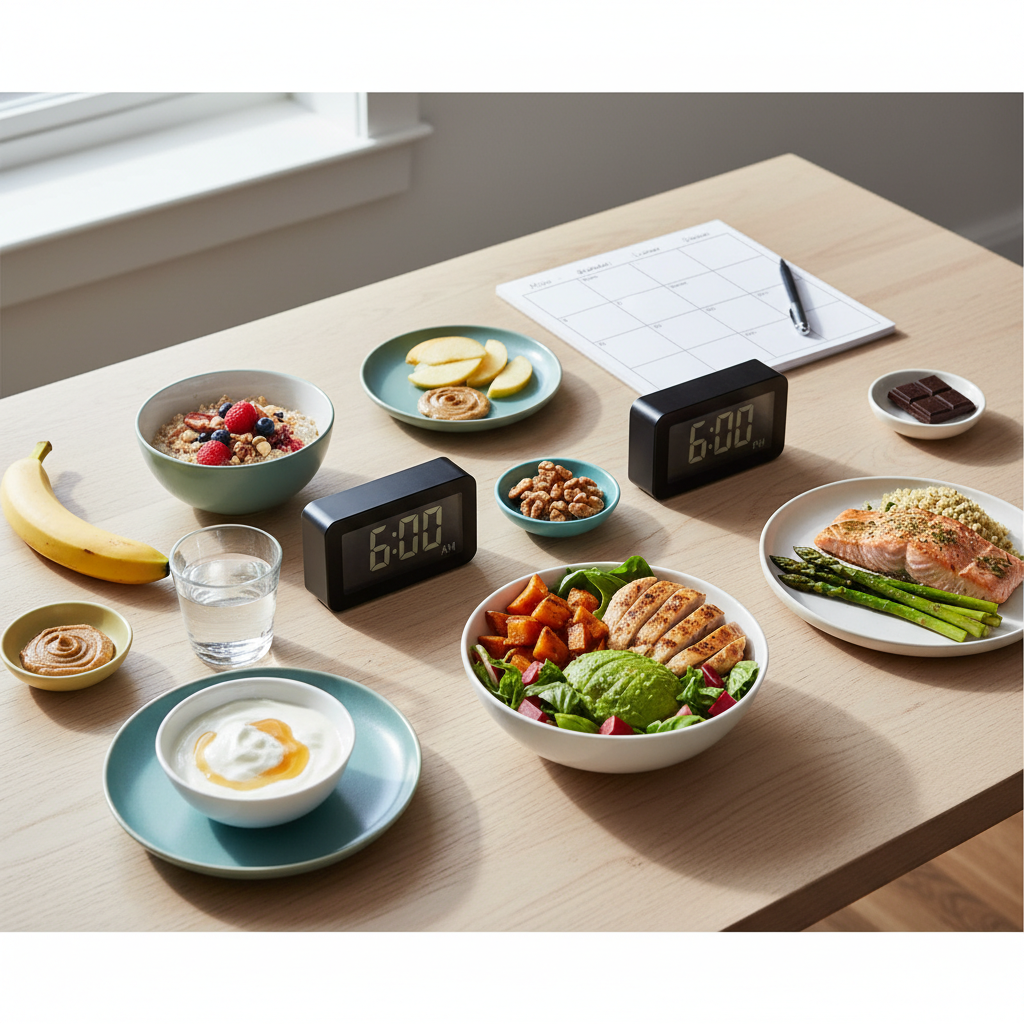
How the 6-1-6 Weekly Meal Timing Method Prevents Blood Sugar Crashes and Maintains Steady Energy Without Restrictive Dieting
Energy crashes don't have to derail your productivity or mood throughout the week. Most people experience dramatic blood sugar swings because they eat inconsistently, skip meals during busy periods, then overcompensate with large portions that leave them sluggish. The 6-1-6 meal timing method creates a sustainable rhythm that keeps your glucose levels stable while working with your natural schedule rather than against it.
This approach involves eating every three to four hours for six days, incorporating one flexible day, then returning to the structured pattern for another six days. Unlike restrictive dieting protocols, this method focuses purely on when you eat rather than dramatically limiting what foods you consume. Research in metabolic health shows that consistent meal timing helps regulate insulin sensitivity and prevents the hormone fluctuations that trigger intense cravings and afternoon energy dips.
Plan Your Six-Day Consistent Schedule Around Your Natural Routine
Your first step involves identifying a meal timing pattern that fits seamlessly into your existing commitments. If you typically wake up at 7 AM and work until 6 PM, you might schedule meals at 8 AM, 12 PM, 3 PM, and 7 PM. The key lies in maintaining roughly three to four-hour gaps between eating occasions, which allows your blood sugar to stabilize between meals while preventing excessive hunger. Write down your ideal timing and stick to it for six consecutive days, even on weekends when your schedule might naturally shift.
Use Your Flexible Day to Reset and Handle Social Situations
The seventh day serves as your pressure valve, allowing you to attend dinner parties, sleep in on weekends, or handle unexpected schedule changes without abandoning the entire system. During this flexible day, you can eat whenever feels natural while paying attention to your hunger and energy cues. Many people find that after six days of consistent timing, their appetite naturally guides them toward reasonable meal intervals even without strict scheduling. This flexibility prevents the all-or-nothing mentality that derails many structured eating approaches.
Include Protein and Fiber at Each Scheduled Eating Time
While the 6-1-6 method doesn't restrict specific foods, combining protein and fiber at each meal amplifies its blood sugar stabilizing effects. Aim for palm-sized portions of protein like Greek yogurt, eggs, chicken, or legumes alongside fiber-rich vegetables, fruits, or whole grains. This combination slows digestion and glucose absorption, preventing the sharp spikes and crashes that occur when you eat refined carbohydrates alone. Apps like MyFitnessPal or Cronometer can help you track these nutrients until the pairing becomes automatic.
Set Gentle Reminders Instead of Rigid Alarms
Rather than creating stress around exact timing, use soft reminders that guide you toward your meal windows. Set phone notifications with messages like "Consider having lunch soon" rather than demanding alerts that create urgency around food. This approach maintains the structure while allowing for natural hunger fluctuations and schedule variations. If you're deeply focused on a project and not hungry at your usual time, eating 30 to 60 minutes later won't disrupt the method's effectiveness.
Monitor Your Energy Patterns During the Two-Week Cycles
Keep a simple energy log during your first few 6-1-6 cycles, rating your alertness levels from 1 to 10 at mid-morning, afternoon, and evening. Most people notice improved afternoon energy and reduced cravings within the first week of consistent timing. Track how your flexible day affects the following day's hunger and energy levels to optimize your approach. Some individuals find they prefer lighter, more frequent meals on their flexible day to ease back into the structure.
Adjust Portion Sizes Based on Your Activity Level
The 6-1-6 method works with varying portion sizes depending on your daily demands. On high-activity days or during intense work periods, you might need larger meals or an additional small snack within your established timing framework. During lower-key days, smaller portions at your regular times might feel more appropriate. Listen to your body's signals rather than forcing identical meal sizes every day, as this flexibility maintains the method's sustainability.
Prepare Simple Backup Options for Busy Periods
Having quick meal options available prevents you from skipping eating times during hectic periods. Stock your kitchen and office with portable combinations like apple slices with almond butter, hard-boiled eggs with whole grain crackers, or pre-portioned trail mix. These backup options take less than two minutes to prepare but maintain your timing consistency when elaborate meal preparation isn't possible. Companies like Trader Joe's and Whole Foods offer numerous grab-and-go options that combine protein and fiber effectively.
Track Sleep Quality Changes Alongside Your Eating Schedule
Consistent meal timing often improves sleep quality by supporting your circadian rhythm and preventing late-night hunger that disrupts rest. Many people following the 6-1-6 method report falling asleep more easily and waking up with steadier energy levels. If you currently eat large meals close to bedtime, shifting your last meal earlier might initially require adjustment but typically leads to more restorative sleep within two weeks. Sleep tracking apps like Sleep Cycle or Oura can help you correlate timing changes with sleep improvements.
As more people recognize the connection between meal timing and metabolic health, approaches like the 6-1-6 method are gaining attention from nutrition researchers and wellness professionals. This sustainable framework offers the structure many people need for stable energy without the restriction that makes traditional dieting approaches difficult to maintain long-term. The method's built-in flexibility acknowledges that perfect consistency isn't realistic while still providing enough structure to support steady blood sugar levels and consistent energy throughout your week.