
The Hidden Costs of Budget Airlines and How to Calculate True Travel Expenses
Budget airlines have revolutionized air travel by making flights accessible to millions who previously couldn't afford them. The promise of traveling across continents for less than the cost of a dinner reservation sounds almost too good to be true, and in many cases, it is. While the advertised base fare might seem incredibly low, the actual cost of flying budget often includes a web of additional fees, restrictions, and inconveniences that can quickly transform that bargain flight into an expensive ordeal. Understanding these hidden costs becomes essential for travelers who want to make informed decisions about their transportation options.
Baggage Fees That Multiply at Every Step
The most common surprise for budget airline passengers comes in the form of baggage fees that extend far beyond a simple checked bag charge. Spirit Airlines and Frontier Airlines, two prominent American budget carriers, charge separately for carry-on bags, checked bags, and even personal items that exceed their strict size requirements. These fees typically increase significantly when purchased at the airport rather than during the initial booking process, sometimes doubling or tripling in cost. Ryanair, Europe's largest budget airline, has built much of its revenue model around these ancillary charges, with baggage fees often exceeding the base ticket price for travelers who haven't carefully planned their packing strategy.
Seat Selection and Comfort Premium Charges
Budget airlines generate substantial revenue by unbundling services that traditional carriers include in their base fares, particularly seat selection and basic comfort amenities. Passengers who don't pay for seat selection often find themselves separated from travel companions or stuck in middle seats with limited legroom. Premium seat locations, including aisle and window seats or those with extra legroom, can cost anywhere from a modest upcharge to prices that rival the original ticket cost. Airlines like EasyJet and Wizz Air have perfected this model, knowing that many travelers will pay additional fees to avoid the discomfort of random seat assignments, especially on longer flights where comfort becomes increasingly important.
Airport Location and Transportation Implications
Budget airlines frequently operate from secondary airports that are significantly farther from city centers than major international airports, creating substantial hidden transportation costs. London's Luton Airport, a favorite of budget carriers, sits nearly an hour from central London by train, while Frankfurt-Hahn Airport requires a lengthy bus journey to reach Frankfurt proper. These remote locations often lack convenient public transportation options, forcing travelers to rely on expensive airport shuttles, taxis, or rental cars that can easily cost more than the flight itself. The time cost also becomes significant, as travelers may need to allocate several additional hours for transportation to and from these outlying airports.
Food, Beverage, and Service Fee Structures
The elimination of complimentary food and beverage service represents another revenue stream for budget airlines, but the replacement pricing often shocks unprepared passengers. Onboard purchases typically cost significantly more than airport or street prices, with simple snacks and beverages carrying premium markings that can quickly add up during longer flights. Airlines like Allegiant Air and Southwest Airlines (though Southwest includes more in their base fare) charge for nearly every service that traditional carriers provide as standard, from printing boarding passes at the airport to making simple itinerary changes. These seemingly small charges accumulate rapidly, particularly for families or groups where multiple passengers incur the same fees.
Flight Change and Cancellation Penalties
Budget airline change and cancellation policies often include restrictive terms and substantial penalties that can make ticket modifications prohibitively expensive. Unlike traditional carriers that may offer some flexibility for schedule changes, budget airlines typically charge change fees that approach or exceed the original ticket price, plus any fare difference for the new flight. Many budget carriers also offer non-refundable tickets as their standard option, meaning travelers who need to cancel lose their entire investment unless they've purchased separate travel insurance. These policies particularly impact travelers with uncertain schedules or those booking far in advance, where the likelihood of needing changes increases substantially.
Calculating Your True Travel Budget
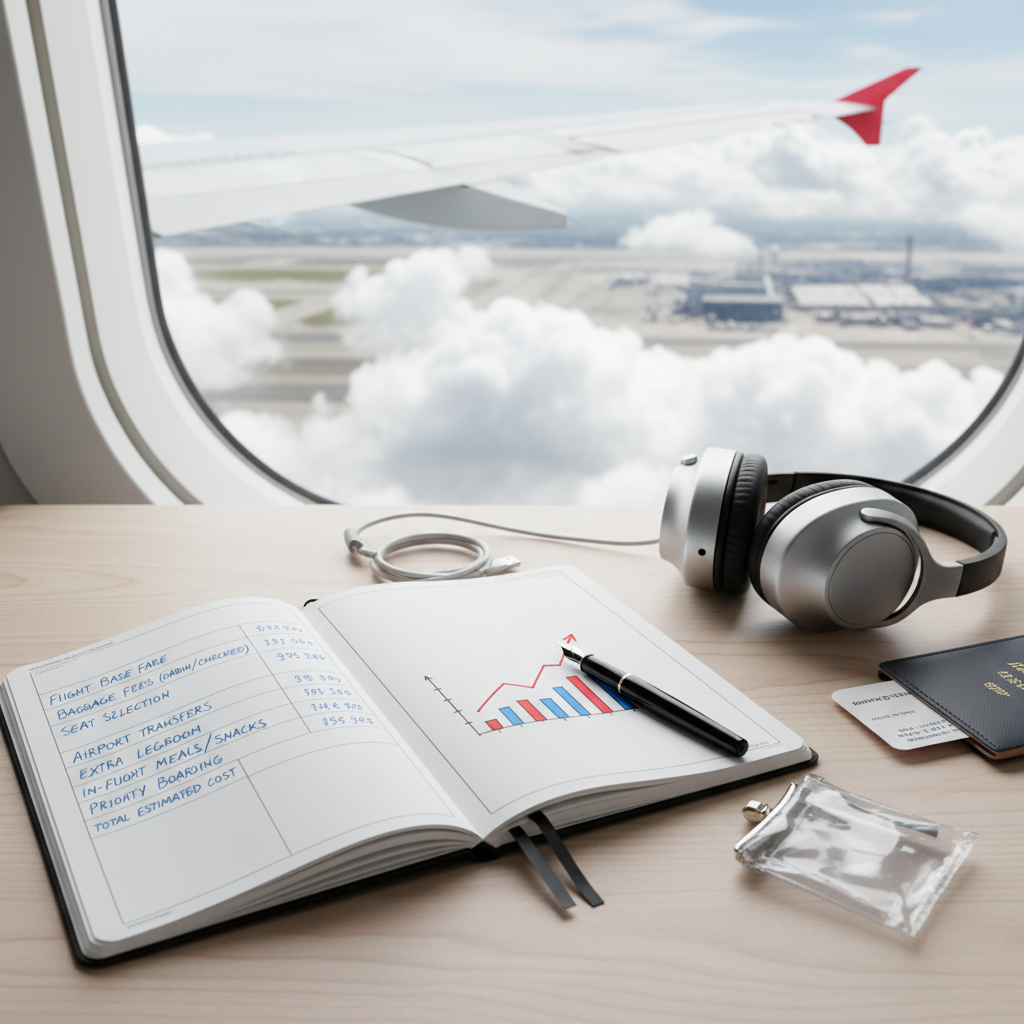
When comparing flight options, start by identifying all potential additional costs before making your booking decision. Create a comprehensive list that includes baggage fees for both carry-on and checked bags, seat selection charges for your preferred locations, transportation costs to and from secondary airports, and estimated food and beverage expenses for your journey. Factor in the likelihood that you might need to change your travel plans and research the associated fees for modifications or cancellations. Consider the time cost of using remote airports and whether the savings justify the additional travel time and complexity. Add a buffer of 20-30% to your calculated total to account for unexpected fees or last-minute purchases that commonly arise during budget airline travel.
The mathematics of budget airline travel reveals that the advertised price represents only the starting point of your actual travel expenses. Smart travelers approach these carriers as a valuable option within a broader transportation ecosystem, understanding that the true cost often aligns more closely with traditional airline pricing once all fees are included. The key lies in honest assessment of your travel needs and careful calculation of the complete expense picture, allowing the actual savings to guide your decision rather than the marketing promise of the base fare.