How Timing a First Visit to Colombia's Coffee Region Around the April Mitaca Harvest Delivers Plantation Access and Festival Culture That Off-Season Tourists Completely Miss
Timing a trip well is one of the most underrated travel skills you can develop, and nowhere does the calendar matter more than Colombia's Eje Cafetero — the Coffee Axis — during its secondary harvest season in April.
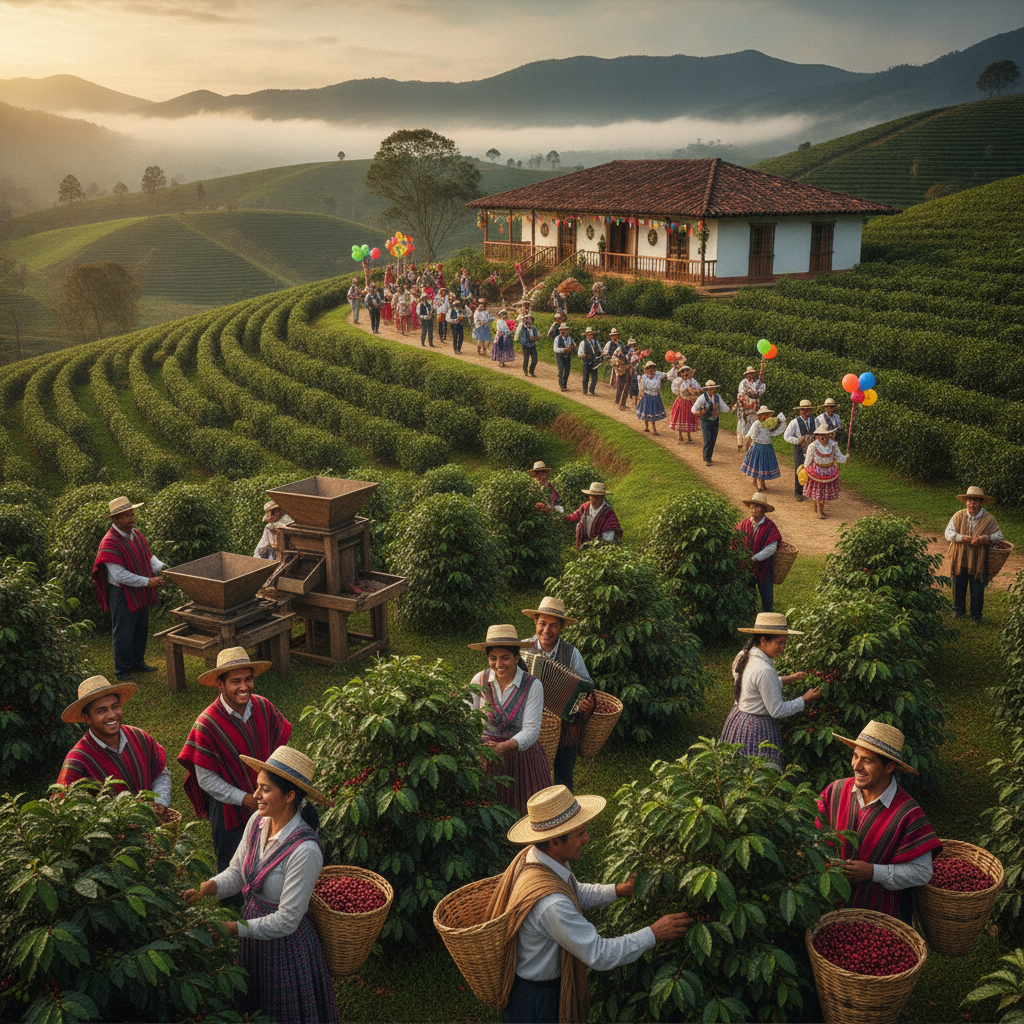
Most first-time visitors to the region around Armenia, Salento, and Manizales arrive without any knowledge of the Mitaca harvest, the smaller but culturally rich picking season that runs roughly from April through May each year. That gap in awareness works entirely in your favor. While peak-season visitors in December flood the cobblestone streets and compete for the same jeep rides up to the coffee farms, April travelers move through a region that feels genuinely alive with agricultural purpose rather than tourist choreography. The plantations are working. The pickers are in the fields. And the haciendas that normally function as polished visitor centers shift into something far more authentic: actual farms in the middle of an actual harvest.
What Makes the Mitaca Harvest Different From the Main Season?
Colombia's coffee calendar runs on two distinct harvest cycles. The primary Cosecha, which peaks between October and December, draws the most attention internationally because it produces the largest volume. The Mitaca, however, is the secondary flowering and harvest that occurs in the mid-elevation growing zones of the Cordillera Central, and April sits right at its productive heart. The cherries ripening during this window are often described by local producers as producing nuanced, brighter cup profiles — partly because of the rainfall patterns during flowering, and partly because smaller harvests receive more careful hand-selection.
For the traveler, the practical difference is access. During the Cosecha, haciendas like Hacienda Venecia near Manizales run heavily scripted tours timed to move groups through efficiently. During the Mitaca, the same farms often invite visiting guests to participate in actual picking alongside the cuadrillas — the harvest crews — because every pair of hands genuinely helps. That's an experience you can't manufacture or buy during the off-season, no matter what a tour operator promises you.
How Do You Actually Get Onto a Working Plantation?
The most reliable path is booking directly through the haciendas themselves rather than through aggregator platforms. Hacienda Venecia accepts small-group immersion bookings that include overnight stays and harvest participation during active picking windows. Finca El Ocaso in the Salento valley is another property with a long history of opening its doors to travelers during harvest, and their guided walks through the coffee groves during April give you a ground-level education in cherry ripeness, selective picking technique, and the differences between arabica varietals on the same hillside.
Once you're on the ground, the app Wikiloc is genuinely useful for navigating the rural paths between farms in the Quindío department, particularly around Salento and Cocora Valley. Trails are not always well-marked, and having downloadable GPX routes means you're not depending on cell coverage in the mountains. For booking accommodations directly with fincas and smaller guesthouses, WhatsApp is essentially the local reservation system — don't expect a polished booking engine from family-run operations, and don't be shy about messaging directly in Spanish with a simple inquiry.
What Festival Culture Happens Around the Harvest?
April in the Coffee Region isn't just agricultural. The municipalities surrounding the main growing areas hold a series of local fiestas and cultural markets timed to the harvest energy, and these are the events that travel guides almost never cover because they don't operate on a fixed national calendar. In Filandia, a small hilltop town in Quindío, the local market culture peaks in April with artisan fairs that showcase woven baskets, regional ceramics, and food stalls selling bandeja paisa variations and locally grown fruits you won't encounter in Bogotá supermarkets.
Armenia, the departmental capital, tends to host regional coffee competition events in April where local producers bring their Mitaca lots for cupping. These events are sometimes open to visitors and occasionally posted through local cultural organizations on Facebook — which remains the dominant platform for community event announcements in smaller Colombian cities. Checking the Armenia municipal tourism page and the pages of regional coffee producers' associations a few weeks before your arrival gives you the clearest picture of what's scheduled. It takes about twenty minutes of research and saves you from spending three days in the region without realizing a cupping competition was happening two blocks from your hostel.
How Should You Structure the Logistics?
Flying into Pereira's Aeropuerto Internacional Matecaña is the standard entry point for the Coffee Region, with connections from Bogotá's El Dorado International Airport running multiple times daily. From Pereira, the jeep chiva network connects you to Salento in roughly ninety minutes and Manizales in about two hours by bus. You don't need a rental car, and in many cases a car actively limits you — the farm roads in the Quindío highlands are better navigated by the local Willys jeeps that have served these slopes for decades.
For accommodation, budget travelers find that staying in Salento's center keeps costs low while positioning you for easy morning jeep access to the farms. Travelers willing to spend a bit more get considerably better immersion by staying directly on a working hacienda. The price difference is often smaller than you'd expect, and the experience difference is significant. Using Google Maps alongside Wikiloc for rural navigation, and booking through the farms' direct WhatsApp contacts, removes most of the friction.
What Should You Watch For in the Seasons Ahead?
Colombia's Coffee Region is slowly attracting the kind of international culinary and agricultural tourism that has transformed wine regions in places like Mendoza and Burgundy. Specialty coffee culture continues to grow globally, and the Eje Cafetero sits at the center of that story in a way that's becoming increasingly visible. The April Mitaca window remains the quietest and most accessible entry point right now, but that won't always be true. Producers who once ran informal harvest participation programs are beginning to formalize them into premium experiences with corresponding price adjustments. The travelers who make the trip in the next year or two will find a region still in the genuinely immersive phase — present enough to be real, accessible enough to be affordable, and unhurried enough to reward the patient visitor who planned thoughtfully and arrived at exactly the right moment.