
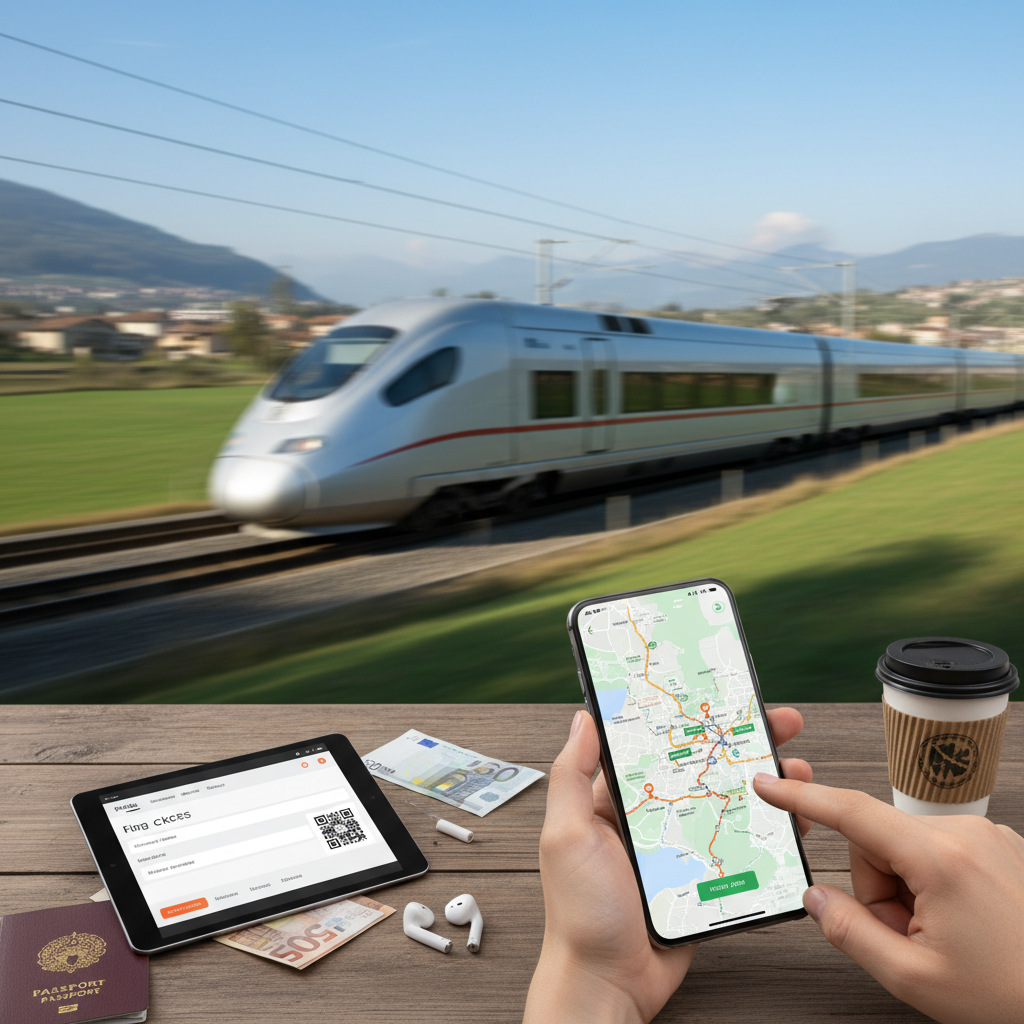
Essential Apps and Tools for Navigating European Train Systems Like a Local
European train travel presents a maze of different operators, ticketing systems, and booking platforms that can overwhelm even seasoned travelers. While locals seamlessly hop between regional services and high-speed connections, visitors often struggle with fragmented information and last-minute booking headaches. The complexity multiplies across borders, where a journey from Paris to Prague might involve three different rail companies, each with its own app and pricing structure.
Master Multi-Country Planning with Rail Planner
The Rail Planner app serves as the unofficial companion to Eurail passes, but its utility extends far beyond pass holders. This comprehensive tool provides offline access to European train schedules across 33 countries, eliminating the need to juggle multiple national railway apps. The interface displays real-time departure information, platform numbers, and connection details without requiring internet access once downloaded. Rail Planner excels at mapping complex multi-leg journeys, showing travelers exactly when to change trains and how much walking time to allow between platforms.
Unlock Real-Time Updates Through National Railway Apps
Each major European railway system maintains its own official app, and downloading the relevant ones transforms the travel experience. Deutsche Bahn's DB Navigator covers Germany's extensive network while providing international connections, making it essential for Central European travel. SNCF Connect handles French railways with integrated booking capabilities, and Trenitalia manages Italy's high-speed and regional services. These national apps offer advantages that third-party platforms cannot match, including real-time delay notifications, platform changes, and direct customer service access during disruptions.
Streamline Bookings with Omio's Unified Platform
Omio consolidates multiple transportation options across Europe, allowing travelers to compare trains, buses, and flights within a single interface. The platform excels at revealing alternative routes and operators that might not appear on individual railway websites. For complex journeys involving multiple countries, Omio often presents creative routing options that can save both time and money. The app handles currency conversion automatically and stores digital tickets securely, eliminating the need to manage multiple confirmation emails across different booking systems.
Navigate Stations with Citymapper's Local Intelligence
Major European train stations function as small cities, and Citymapper provides the local navigation knowledge that makes the difference between stress and smooth transfers. The app covers major transit hubs in cities like London, Paris, Berlin, and Rome, offering detailed indoor maps of complex stations. Citymapper calculates precise walking times between platforms, indicates elevator and escalator locations, and highlights nearby amenities like restaurants and currency exchange. The real-time integration with local transit systems helps travelers understand connections between trains and city transportation networks.
Optimize Costs with Trainline's Price Tracking
Trainline aggregates tickets from multiple European rail operators while providing price comparison tools that help travelers optimize their spending. The platform's calendar view reveals how departure times affect pricing, often showing significant savings for off-peak travel. Trainline's mobile tickets eliminate printing requirements and work offline, addressing connectivity concerns in remote stations. The app also offers seat selection for participating operators and sends proactive notifications about schedule changes or strikes that might affect travel plans.
Access Essential Journey Information Before You Travel
Successful European train travel requires preparation beyond booking tickets. Download offline maps for major stations through Google Maps, which provides detailed indoor layouts for facilities like Amsterdam Centraal and Frankfurt Hauptbahnhof. Check visa requirements and currency needs for each country on your route, as some border crossings still require document checks. Research local customs around seat reservations, as some countries expect travelers to reserve specific seats while others operate on open seating. Understanding these cultural differences prevents confusion and ensures smoother interactions with conductors and fellow passengers.
The fragmented nature of European rail systems that initially seems daunting becomes manageable with the right digital tools. These apps and platforms work together to create a comprehensive travel toolkit that rivals the knowledge base of experienced local travelers. Success lies not in mastering every system, but in knowing which tools provide the most reliable information for each stage of the journey.