
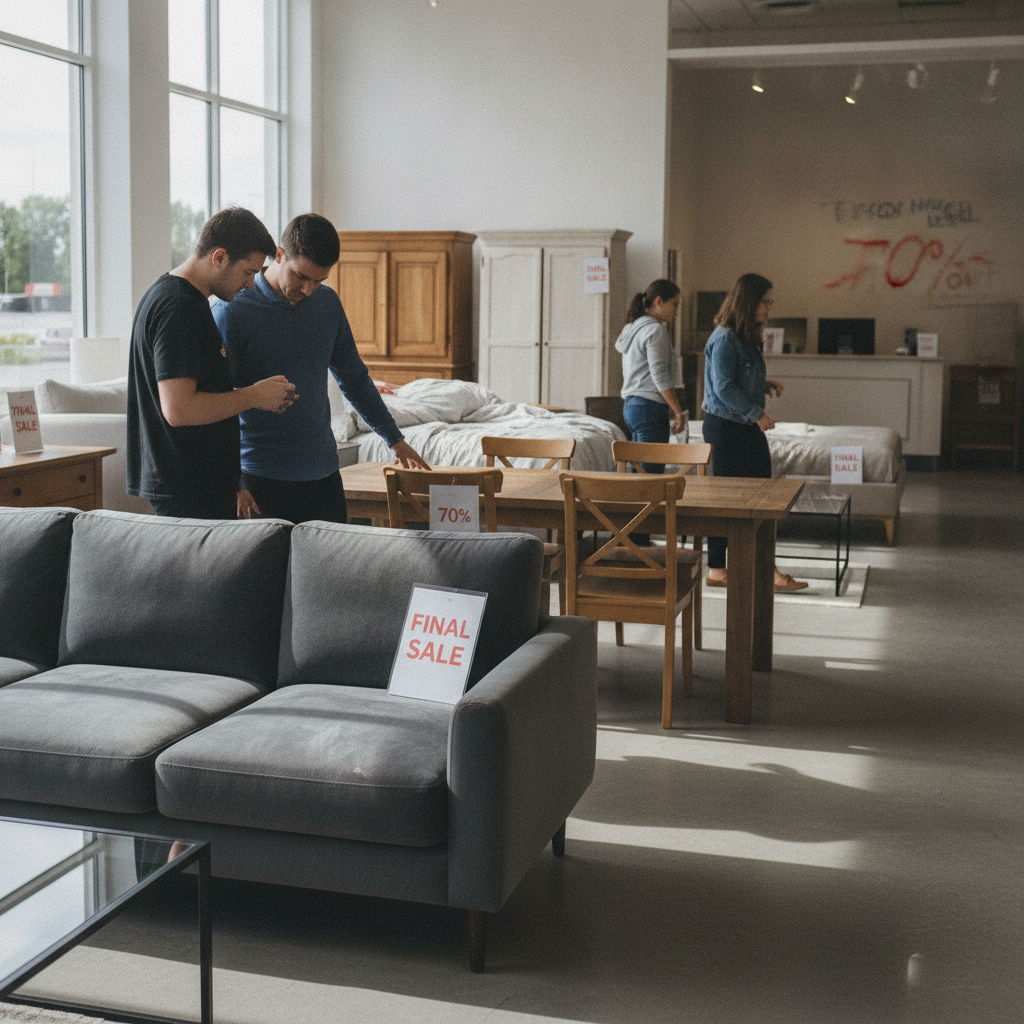
How Furniture Floor Model Sales Work and Which Pieces Are Actually Worth Buying Discounted
Furniture floor models sit at an interesting intersection of genuine value and calculated risk. Retailers like Crate & Barrel, Pottery Barn, and West Elm regularly sell their showroom pieces at significant reductions — not because something's wrong with them, but because they need the floor space for incoming inventory. Understanding how these sales operate helps you walk away with something genuinely useful rather than a discounted problem you'll regret owning.
The challenge is that not every floor model represents the same kind of deal. Some pieces hold up beautifully after years of light display. Others have absorbed the wear of hundreds of hands, children testing cushions, and the slow damage of constant lighting. Knowing the difference before you buy is what separates a smart purchase from an expensive lesson.
Understand Why Retailers Mark Down Floor Models
Retailers discount floor models for straightforward operational reasons. When a product line gets updated or discontinued, the existing display piece becomes a space problem rather than a selling tool. Stores also rotate inventory seasonally, and a sofa that's been on the floor for eighteen months needs to move regardless of condition. The discount isn't always a signal of damage — it's often just logistics. That said, the markdown depth can tell you something about how long the piece has been sitting there and how eager the store is to move it.
Inspect the Frame Before You Inspect the Price
The structural integrity of a furniture piece matters far more than its surface appearance. For sofas and upholstered chairs, press down on the cushions, sit in multiple spots, and listen for any creaking or shifting. Check the legs — particularly on items from IKEA or other flat-pack-adjacent brands — for wobble or stress fractures near joints. Solid wood frames and kiln-dried hardwood pieces tend to survive showroom life better than pieces built with particleboard or soft pine. If the bones are solid, cosmetic wear is usually manageable.
Know Which Pieces Wear Well on the Floor
Not all furniture is equal in how it handles display life. Solid wood dining tables, bed frames, and case goods like dressers and bookcases are often the strongest floor model candidates — they don't absorb body oils, they don't compress, and minor surface scratches can frequently be buffed out or concealed. Metal accent pieces and ceramic lamps also tend to come through display intact. Upholstered items require more scrutiny, but if the fabric is tightly woven and the cushion fill hasn't flattened, they can still represent good value.
Approach Upholstered Items With Caution
Sofas, sectionals, and upholstered dining chairs take the most abuse on a showroom floor. Over months of heavy traffic, cushion foam compresses, fabric pills along armrests, and seam stitching can begin to fray near high-contact areas. Before committing to an upholstered floor model, check whether the manufacturer offers replacement cushion inserts — some higher-end brands like Room & Board or Article sell components separately, which gives you a recovery path if the seat fill has seen better days. A deep clean is almost always necessary, so factor that into your actual cost calculation.
Ask About What's Included and What Isn't
Floor model sales often come with stripped-down terms. Original packaging is gone, assembly hardware may be missing, and manufacturer warranties are frequently voided or shortened. Before you agree to a price, ask the store directly whether the piece still qualifies for any warranty coverage, whether delivery is available or if the sale is carry-out only, and whether any accessories — extra cushion covers, hardware kits, or matching pieces — can be included. Many stores will negotiate on these extras when you're buying a floor piece, especially if it's been on display for a full season.
Negotiate Beyond the Listed Discount
Floor model prices on the tag are usually starting points, not final answers. Store managers generally have discretion to go lower, particularly when a piece has been on display for an extended period. A practical approach is to document any visible wear — scuffs, fading, hardware wear — and use those specifically in the conversation. Saying "the armrest fabric is visibly worn and I'll need professional cleaning" is more effective than a general ask for a better price. Many buyers at stores like Restoration Hardware or Z Gallerie have secured an additional reduction simply by being specific about what they're taking on.
Understand the Delivery and Logistics Reality
One underappreciated part of floor model buying is getting the piece home. Most floor model sales are final and as-is, meaning white-glove delivery services may not apply. Some stores will arrange transport at an extra cost, but the more common scenario is that the buyer handles removal. That means having the right vehicle, enough help, and a clear measurement plan for doorways and stairwells before the transaction closes. Measuring twice — your space and the piece — before you commit saves a lot of trouble that's very difficult to undo once the sale is complete.
Time Your Visit to Match Clearance Cycles
Furniture stores typically clear floor models at predictable intervals. Major rotation periods often align with post-holiday resets in January, summer inventory changes around July, and the fall season refresh in September and October. Visiting during these windows increases your selection and the likelihood that staff are motivated to move pieces quickly. Regional independent retailers sometimes offer even steeper reductions during these cycles than national chains, because they're working with tighter floor space and less warehouse storage to absorb unsold display inventory.
Floor model buying rewards patience and preparation in equal measure. The best opportunities go to buyers who arrive knowing what they want, understand what questions to ask, and can evaluate condition honestly rather than being swayed purely by the discount number. As more furniture retail shifts toward showroom-and-order models — where the floor piece is the only physical inventory on hand — floor model sales are likely to remain a consistent opportunity for buyers who know how to work them well.