How to Use Public Transportation Apps to Navigate Asian Megacities Like Tokyo, Seoul, and Singapore
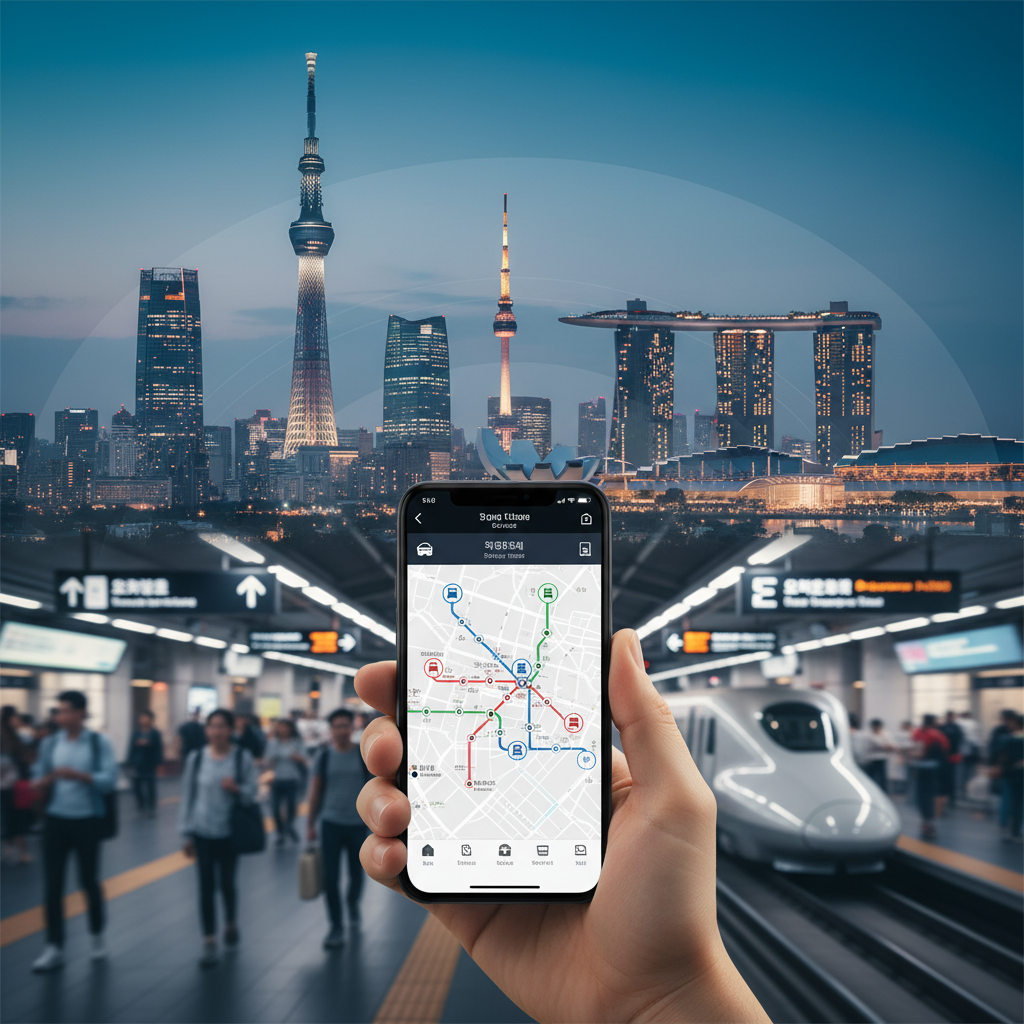
Picture yourself standing at a bustling train station in Shibuya, surrounded by dozens of platform signs in multiple languages, while crowds of commuters flow past you like water around a stone. Asian megacities present some of the world's most complex transportation networks, with interconnected subway systems, bus routes, and rail lines that can overwhelm even experienced travelers.
The subway systems in Tokyo, Seoul, and Singapore collectively serve over 15 million daily passengers across hundreds of stations. Without proper digital tools, what should be efficient urban mobility can quickly become a frustrating maze of missed connections and wrong turns.
Download Multiple Apps Before You Arrive
Resist the temptation to rely on a single navigation app for your entire Asian megacity experience. Google Maps works well for basic routing, but specialized local apps often provide more accurate real-time updates and platform-specific information. In Tokyo, download Hyperdia for comprehensive train schedules and Tokyo Metro's official app for subway-specific guidance. Seoul travelers benefit from Subway Korea and Citymapper, while Singapore's official SG BusLive app complements the universal Transit app. Having backup options prevents connectivity issues from stranding you during peak travel times.
Master the Art of Offline Map Downloads
Data connectivity in underground stations can be spotty, even in technologically advanced cities like Seoul and Singapore. Before leaving your hotel each morning, download offline maps for your planned routes and surrounding areas. Google Maps allows you to download specific city sections that remain accessible without internet connection. Transit apps like Citymapper also offer offline functionality for previously searched routes. This preparation ensures you can check platform numbers and transfer information even when cellular signals weaken in subway tunnels.
Learn to Read Real-Time Delay Information
Asian transportation systems pride themselves on punctuality, but typhoons, technical issues, and crowd management can cause unexpected delays. Most city-specific apps display real-time service updates that general navigation apps might miss. Tokyo's JR East app provides delay notifications in multiple languages, while Seoul Subway shows current wait times for approaching trains. Singapore's MyTransport app includes bus arrival times accurate to within minutes. Check these updates before entering stations to avoid waiting on platforms for delayed services.
Understand Peak Hour Route Alternatives
Rush hour transforms Asian megacity transportation into a completely different experience than midday travel. Smart apps suggest alternative routes during peak times, but you need to enable these features manually. Set your preferred apps to avoid crowded lines during morning and evening commutes, typically 7-9 AM and 5-7 PM. Tokyo's Hyperdia includes a "avoid crowded trains" option, while Seoul's subway apps show real-time crowding levels for individual train cars. These features help you find less congested routes that might take slightly longer but offer more comfortable journeys.
Configure Language and Currency Settings Properly
Most transportation apps default to local languages and currencies, which can create confusion when calculating fares or reading directions. Change your language settings to English or your preferred language before your first journey. Currency settings matter more than you might expect – knowing that your Singapore MRT journey costs approximately $1.50 USD helps with budgeting, while understanding that Tokyo metro fares range from ¥170-320 helps you prepare correct change. These small configuration changes prevent decision paralysis at ticket machines and fare gates.
Set Up Payment Integration Early
Modern Asian transportation systems increasingly support mobile payments through dedicated apps and digital wallets. Singapore's SimplyGo system works directly through contactless bank cards and mobile wallets, while Tokyo supports various IC card apps like Suica on Apple Pay. Seoul's T-money card can be added to Samsung Pay for Korean phones. Setting up these payment methods on your first day eliminates the need to navigate ticket machines during busy commutes. However, always carry backup payment methods since international cards sometimes face compatibility issues.
Use Apps to Navigate Complex Transfer Stations
Major interchange stations in cities like Tokyo and Seoul can span multiple city blocks with dozens of exits and connecting lines. Generic mapping apps often fail to provide detailed indoor navigation for these massive underground complexes. Tokyo Station and Seoul Station both have dedicated indoor mapping features in their city apps that show specific exit numbers and connecting corridors. Singapore's Changi Airport MRT connection includes detailed terminal navigation through their official app. These specialized indoor maps prevent you from surfacing at the wrong exit blocks away from your intended destination.
Plan Connections Using Multiple Transportation Modes
The most efficient routes in Asian megacities often combine different transportation types – subway, bus, walking, and sometimes ferry services. Comprehensive apps like Citymapper excel at multimodal planning, showing you when a bus connection might be faster than multiple subway transfers. Singapore's planning tools integrate MRT, bus, and even bike-sharing options into single journey suggestions. Seoul's transportation apps include recommendations for combining subway and bus routes using the city's integrated transfer system. This multimodal thinking opens up routing options that single-mode planning misses.
Transportation technology in Asian megacities continues evolving rapidly, with artificial intelligence and machine learning improving real-time predictions and crowd management. Future updates will likely include even more precise arrival times, dynamic pricing suggestions, and personalized routing based on individual travel patterns. Staying current with app updates ensures access to these emerging features that make urban mobility increasingly seamless.