
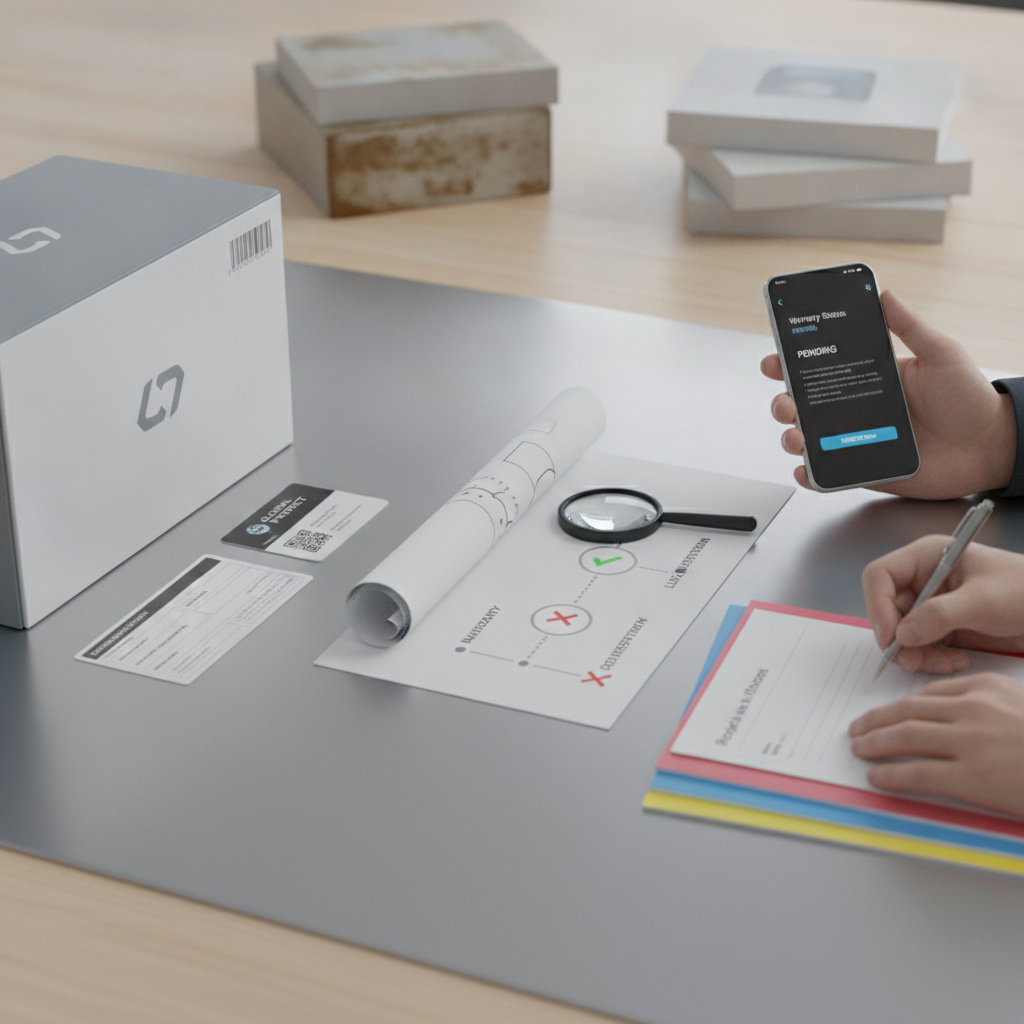
How Manufacturer Warranty Registration Timing Affects Your Coverage Rights and Replacement Negotiating Power
Warranty registration is one of those post-purchase steps that most buyers treat as optional — and that instinct costs them far more than they realize when something goes wrong. The window between when a product is purchased and when it's officially registered can quietly shape what a consumer is entitled to, how quickly a brand responds to a claim, and how much leverage a buyer holds when pushing for a replacement instead of a repair. Understanding how that timing works isn't just useful; it's a meaningful part of smart buying strategy.
The Purpose Behind Registration Windows
Manufacturers like Sony, Dyson, and KitchenAid use warranty registration systems for two reasons: customer data collection and coverage verification. When a product is registered promptly, it creates a timestamped record that ties the serial number to a specific owner and purchase date. That record becomes the foundation of any future claim. Without it, a buyer may still have coverage under implied warranty law, but the burden of proving purchase timing falls entirely on them — often through receipts that are faded, lost, or stored in a deleted email thread.
How Registration Timing Shapes Coverage Validity
Most standard manufacturer warranties begin on the date of purchase, not the date of registration. This means a product purchased in January but registered in August has already burned through seven months of coverage before the paperwork was ever filed. Some brands offer a small grace period — typically 30 to 90 days — during which registration still captures full coverage from the original purchase date. Miss that window, and certain brands may shift the warranty start date to the registration date, effectively shortening real-world coverage without the consumer ever noticing the difference until they need it.
The distinction matters most with high-ticket items. A refrigerator, a laptop, or a piece of power equipment typically carries a one- to two-year warranty. Even a two-month registration delay can represent a meaningful slice of protected time.
The Negotiating Power That Early Registration Creates
Registration does more than confirm coverage dates — it establishes a documented ownership history that becomes surprisingly useful during replacement negotiations. When a product fails within its coverage window, brands like Breville or Vitamix are far more responsive to buyers who have a clean registration trail. Customer service agents can quickly verify the account, review the product's age, and assess whether a defect qualifies for full replacement rather than a partial repair credit.
Buyers who contact support without a registration record often face longer hold times, additional verification steps, and a greater likelihood of being offered repair options over replacement. It's not that unregistered customers have no rights — it's that registered customers present a cleaner, lower-friction case that tends to resolve faster and more favorably.
Extended Warranty Decisions and the Registration Connection
One underappreciated aspect of timely registration involves third-party extended warranty programs. Services like Asurion and SquareTrade often require proof of the original manufacturer warranty to issue an extended plan without a gap in coverage. If the manufacturer's warranty start date is unclear because registration was delayed, the extended plan may begin with an ambiguous foundation — or carry exclusions that wouldn't apply to a properly documented purchase. Registering promptly and filing that confirmation email in a dedicated folder is one of the simplest ways to keep extended coverage airtight from the beginning.
What to Do Right After Purchase
You have a narrow but powerful window after buying any significant product, and using it well takes about ten minutes. Register the item directly on the manufacturer's website within 48 hours of purchase, save the confirmation email, and photograph the receipt alongside the product's serial number label. If the product was a gift, note the purchase date separately — many brands allow third-party gift registrations. For products bought during sales events at retailers like Costco or Target, keep the membership receipt or digital order confirmation, since those often carry their own extended return periods that work alongside manufacturer coverage. Having both documents organized means you're never scrambling when a claim becomes necessary.
Where Warranty Registration Is Heading
The process is becoming faster and more integrated. Several major appliance and electronics brands are moving toward automatic registration at point of sale through retailer partnerships, where the purchase data flows directly to the manufacturer's system without any action from the buyer. This reduces the registration gap problem significantly, but it also means consumers need to verify that auto-registration actually completed — and that the correct purchase date was captured. As smart product ecosystems expand, warranty records are increasingly tied to app accounts and device serial numbers, making disputes easier to resolve but also placing more responsibility on buyers to maintain their digital ownership profiles. Staying informed about how a specific brand handles registration will remain a worthwhile habit for anyone who wants to protect what they buy.