
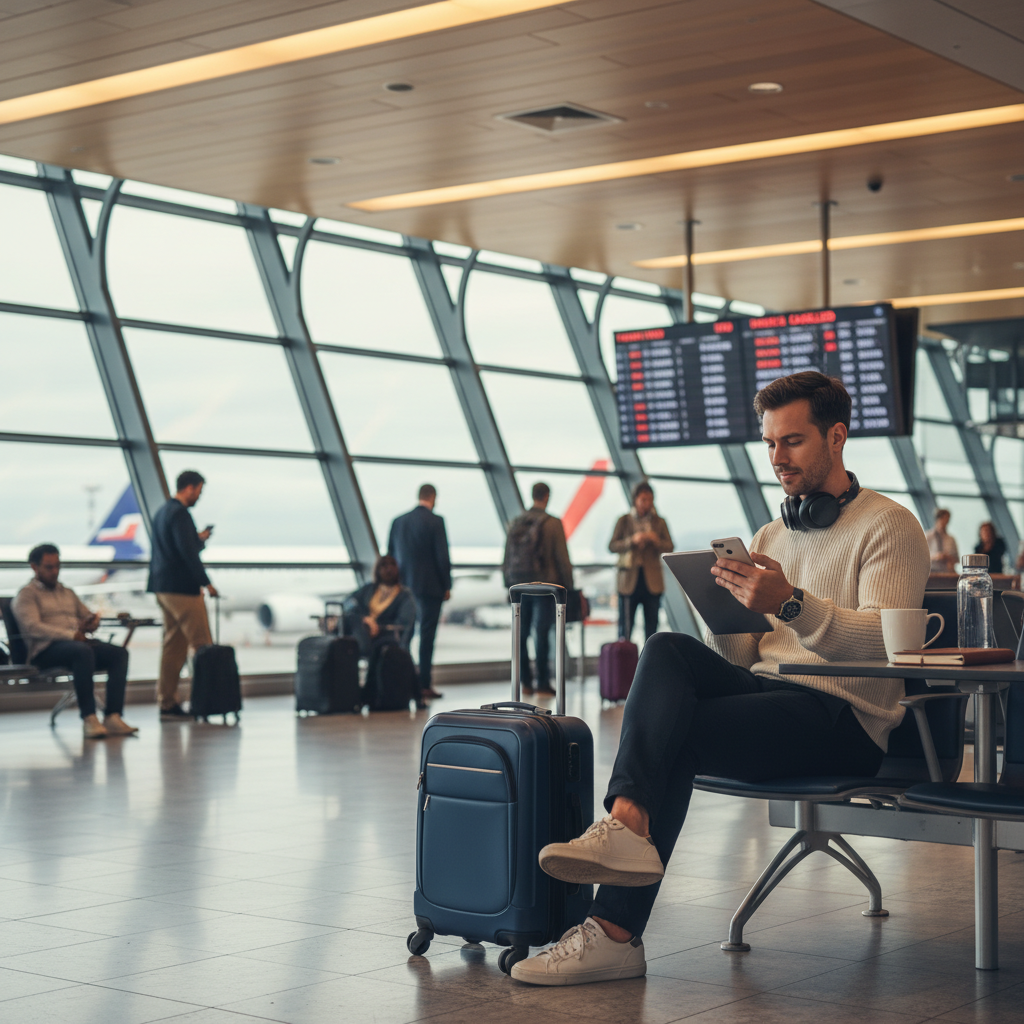
How to Navigate Airport Delays and Cancellations Without Losing Your Mind or Your Money
Airport delays and cancellations strike with ruthless unpredictability, transforming carefully planned trips into tests of patience and financial endurance. Weather patterns, air traffic control issues, and mechanical problems affect millions of travelers annually, creating ripple effects that can derail entire itineraries. The stress compounds when you're unsure of your rights, facing mounting expenses, or watching vacation days slip away.
Fortunately, preparation and knowledge can significantly reduce both the emotional and financial impact of these disruptions. Understanding airline policies, leveraging technology, and maintaining the right mindset transform chaotic situations into manageable inconveniences.
Download Airline Apps Before Your Trip Begins
Mobile apps from major carriers like Delta, American, and Southwest provide real-time updates faster than gate announcements or departure boards. These platforms typically notify you of delays or cancellations before airport staff makes general announcements, giving you precious extra minutes to adjust plans. Many apps also allow rebooking directly from your phone, bypassing long customer service lines. Enable push notifications and ensure your contact information is current in your frequent flyer profile. The apps often display standby lists, gate changes, and baggage claim information that can save considerable time during disruptions.
Know Your Rights and Compensation Entitlements
U.S. airlines aren't required to compensate passengers for weather-related delays, but they must provide assistance for mechanical issues and crew scheduling problems. European regulations are more passenger-friendly, with EU261 rules mandating compensation up to €600 for qualifying delays and cancellations. Document everything with photos and keep receipts for meals, hotels, and transportation expenses incurred due to airline-caused disruptions. Most carriers will reimburse reasonable costs even when not legally obligated, especially for their frequent flyers. Understanding these policies beforehand prevents airlines from dismissing legitimate claims and ensures you receive proper compensation.
Pack Essential Items in Your Carry-On
Your carry-on bag becomes a survival kit during extended delays or overnight cancellations. Include medications, phone chargers, a change of clothes, toiletries, and any items you'll need for the first day at your destination. Travel-sized toothbrushes and deodorant prove invaluable during long waits in airports. Pack snacks like protein bars or nuts to avoid overpriced airport food during extended delays. A portable phone charger ensures you stay connected when outlets are scarce or occupied. These preparations transform uncomfortable waiting periods into manageable experiences and provide peace of mind if checked luggage gets separated from your itinerary.
Master the Art of Strategic Rebooking
When cancellations occur, avoid the initial rush to customer service counters by calling the airline's phone number while simultaneously using their mobile app. International phone numbers for U.S. carriers often have shorter wait times than domestic lines. Consider alternative airports within reasonable driving distance of your destination, as smaller airports sometimes have better availability. Be flexible with departure times and routing – a connection through Denver might get you home faster than waiting for the next direct flight. Premium cabin upgrades become more affordable during irregular operations, so ask about availability if the delay significantly impacts your plans.
Use Credit Card Benefits and Travel Insurance
Many premium credit cards offer trip delay protection that covers meals, hotels, and essential purchases during extended delays. Cards like the Chase Sapphire Reserve or American Express Platinum provide coverage after delays of six hours or more. Contact your card issuer promptly to understand specific benefits and documentation requirements. Travel insurance policies vary widely in coverage, so review terms before purchasing to ensure they align with your needs. Some policies exclude weather-related delays entirely, while others provide comprehensive coverage regardless of cause. Keep detailed records of expenses and submit claims promptly with proper documentation.
Maintain Perspective and Manage Stress Levels
Airport disruptions test patience, but maintaining composure improves outcomes and reduces stress-related health impacts. Bring entertainment like books, podcasts, or downloaded movies to make extended waits more pleasant. Airport lounges, accessible through day passes or credit card benefits, provide quiet spaces away from crowded gates. Practice deep breathing exercises when frustration builds, and remember that airline staff are managing hundreds of affected passengers simultaneously. Staying calm and polite often results in better assistance and potential perks like meal vouchers or priority rebooking. View unexpected delays as opportunities to catch up on reading, rest, or connect with fellow travelers sharing similar experiences.
Build Buffer Time Into Important Itineraries
Schedule critical events like weddings, business meetings, or cruise departures with built-in flexibility whenever possible. Arriving a day early for important events eliminates the anxiety of potential delays and allows time to address any issues. Book morning flights when possible, as afternoon and evening departures face higher chances of delays due to cascading effects from earlier disruptions. Consider booking refundable or changeable tickets for crucial travel, even if they cost slightly more upfront. The additional expense often proves worthwhile when flexibility becomes essential. Tuesday, Wednesday, and Thursday departures typically experience fewer delays than weekend travel, making midweek scheduling advantageous for important trips.
Create Financial Boundaries for Delay-Related Expenses
Establish spending limits for meals, hotels, and alternative transportation before disruptions occur. This prevents panic-driven decisions like booking overpriced last-minute hotels or expensive rental cars. Research airport hotel options and pricing in advance for frequently visited airports, so you know reasonable rates during emergencies. Many airports have sleep-friendly areas or dedicated rest zones that provide alternatives to expensive nearby hotels for shorter delays. Budget airlines typically offer minimal assistance during disruptions, so factor potential additional costs into your overall travel budget when choosing carriers. Having a predetermined spending framework reduces financial stress and enables better decision-making during chaotic situations.
Travel disruptions remain an inevitable part of modern air travel, but preparation and knowledge significantly reduce their impact. Start by downloading relevant airline apps and reviewing your credit card benefits before your next trip. These small steps create a foundation for handling delays with confidence rather than chaos.