How Reverse Psychology Marketing in Flash Sales and Limited-Time Offers Actually Works to Influence Your Buying Decisions
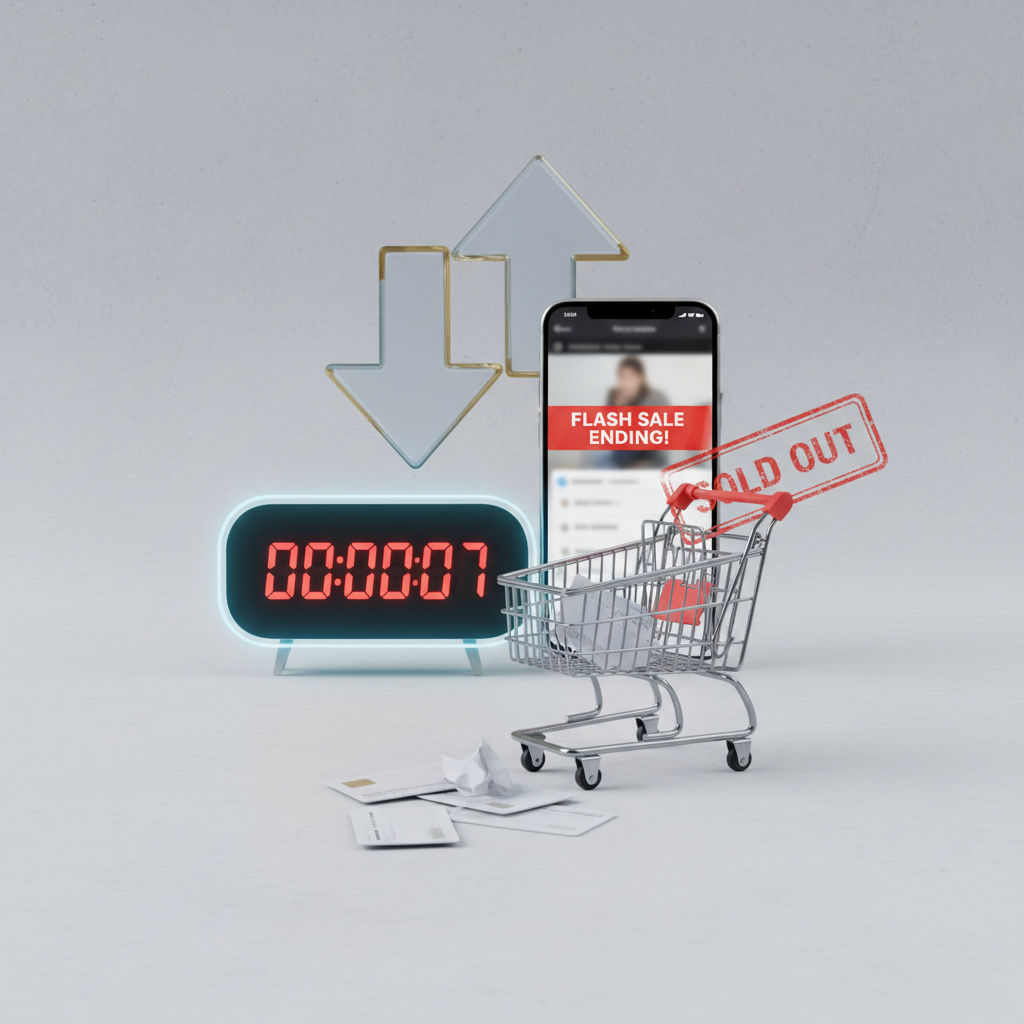
The countdown timer ticks relentlessly on the Amazon lightning deal page while Target's app sends push notifications about items "flying off digital shelves." These marketing tactics tap into something far more sophisticated than simple urgency—they employ reverse psychology principles that make consumers feel they're making independent choices while being systematically guided toward purchase decisions. The psychological mechanisms behind flash sales and limited-time offers reveal how retailers use scarcity, social proof, and cognitive biases to transform hesitant browsers into committed buyers.
Why Scarcity Creates Artificial Desire
Scarcity marketing operates on the fundamental principle that people value what appears difficult to obtain. When Nordstrom Rack displays "Only 3 left in stock" or Best Buy shows "Deal ends in 2 hours," they're activating loss aversion—the psychological tendency to fear missing out more than the pleasure of gaining something. This creates a mental shift where the focus moves from "Do I really need this?" to "What if I can't get this later?" The artificial time constraints make consumers feel they're in competition with other shoppers, transforming a routine purchase decision into an urgent choice that demands immediate action. Retailers understand that scarcity doesn't just create urgency; it actually increases perceived value, making standard products seem more desirable simply because they appear harder to obtain.
How Social Proof Amplifies Purchase Pressure
The reverse psychology deepens when limited-time offers incorporate social validation elements. Websites display messages like "47 people are viewing this item" or "12 purchased in the last hour," creating the impression that smart shoppers are already taking action. This social proof works by suggesting that hesitation indicates poor judgment while quick decision-making demonstrates savvy shopping skills. Groupon's deal structure exemplifies this approach—showing how many people have already claimed an offer makes remaining inventory seem more valuable and creates momentum that encourages additional purchases. The psychological manipulation lies in making consumers feel they're joining a community of informed buyers rather than being pressured by marketing tactics. When Sephora shows that a limited-edition product is "trending" with frequent purchases, shoppers interpret this as validation for their own desire rather than recognizing the manufactured urgency.
What Makes Time-Limited Offers Override Rational Decision-Making
Flash sales exploit cognitive biases that short-circuit normal evaluation processes. The combination of time pressure and perceived savings creates a mental state where careful consideration feels counterproductive. Retailers like Zara and H&M use this psychology by making their sales genuinely brief—training customers to act quickly when opportunities arise. The reverse psychology element emerges because consumers begin to pride themselves on their ability to spot and capture good deals, feeling smart and efficient rather than manipulated. This transforms impulsive buying into a skill that shoppers want to practice and perfect. The psychological satisfaction of "winning" a flash sale deal often exceeds the actual value of the purchase, creating positive associations that encourage future participation in similar offers.
How Smart Shoppers Can Recognize These Tactics Without Missing Real Value
Understanding these psychological mechanisms doesn't require avoiding all limited-time offers, but rather developing awareness of when genuine value aligns with artificial urgency. Before engaging with flash sales, establish specific criteria: predetermined budgets, actual need for the items, and realistic price comparisons from recent weeks rather than inflated "regular" prices. Use browser tools like Honey or CamelCamelCamel to verify historical pricing on Amazon and other major retailers. Create a 24-hour rule for non-essential purchases over a certain amount, allowing time to evaluate whether the urgency is manufactured or the discount represents genuine savings. Many retailers cycle through similar "limited time" offers regularly—noting these patterns helps distinguish between authentic clearance events and routine marketing tactics.
The most effective defense against reverse psychology marketing involves recognizing that feeling smart about a purchase decision and actually making a smart purchase decision aren't always the same thing. When countdown timers and scarcity messages trigger excitement rather than careful evaluation, the psychological manipulation is working exactly as intended. Smart shopping means appreciating the theatrical elements of flash sales while maintaining focus on practical value, personal budgets, and genuine needs rather than the artificial urgency that makes ordinary products seem like opportunities that might never come again.