How Booking a Slow Boat Circuit Through Colombia's Ciénaga Grande Wetlands Instead of a Cartagena Resort Stay Delivers Birdlife and Village Culture at a Fraction of the Cost
The most transformative travel experiences rarely come wrapped in a resort package. Along Colombia's Caribbean coast, most visitors settle into Cartagena's walled city and polished hotel pools, entirely unaware that one of the hemisphere's most extraordinary wetland ecosystems sits just two hours east — and that a slow boat circuit through the Ciénaga Grande de Santa Marta can deliver more genuine wonder, richer cultural contact, and dramatically lower daily costs than any all-inclusive stay within the city's colonial limits.
What the Ciénaga Grande Actually Offers
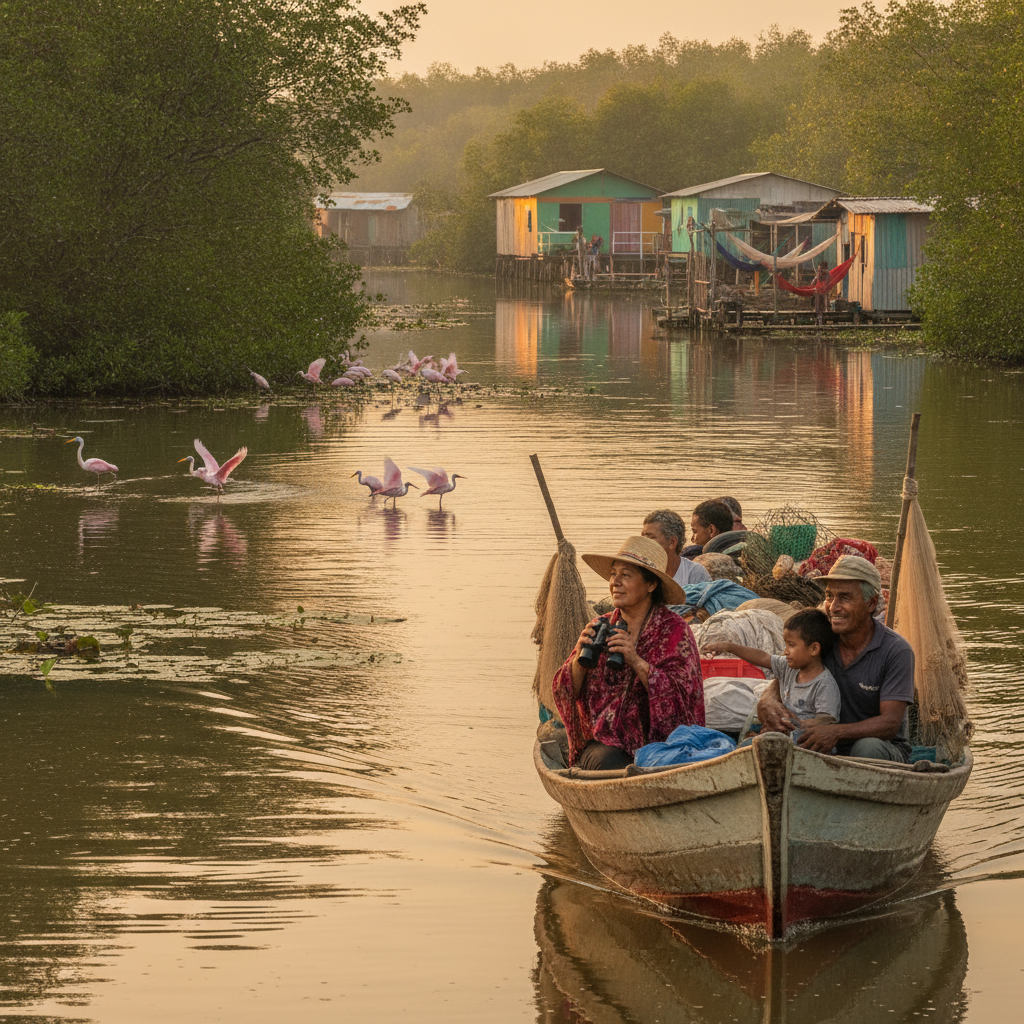
The Ciénaga Grande de Santa Marta is Colombia's largest coastal lagoon, a UNESCO-recognized biosphere reserve where freshwater rivers from the Sierra Nevada meet Caribbean tidal channels in an intricate mosaic of mangrove forests, open water, and seasonally flooded plains. For birdwatchers, the numbers are staggering — over 200 species have been documented here, including roseate spoonbills, scarlet ibis, American flamingos, and multiple heron species that congregate in numbers rarely seen outside the great birding circuits of the Pantanal or the Orinoco. The wetland operates on a seasonal rhythm that rewards those who pay attention: the dry season between December and March flushes birds into concentrated feeding areas along the lagoon's edges, while the wetter months between May and October bring dramatic cloud formations and lush vegetation that photograph beautifully against the water's surface. Timing your visit around the transitional weeks of late November or early April often means lighter boat traffic, more relaxed local rhythms, and slightly lower accommodation rates in the nearby town of Ciénaga, which serves as the most practical land-based entry point for multi-day circuits.
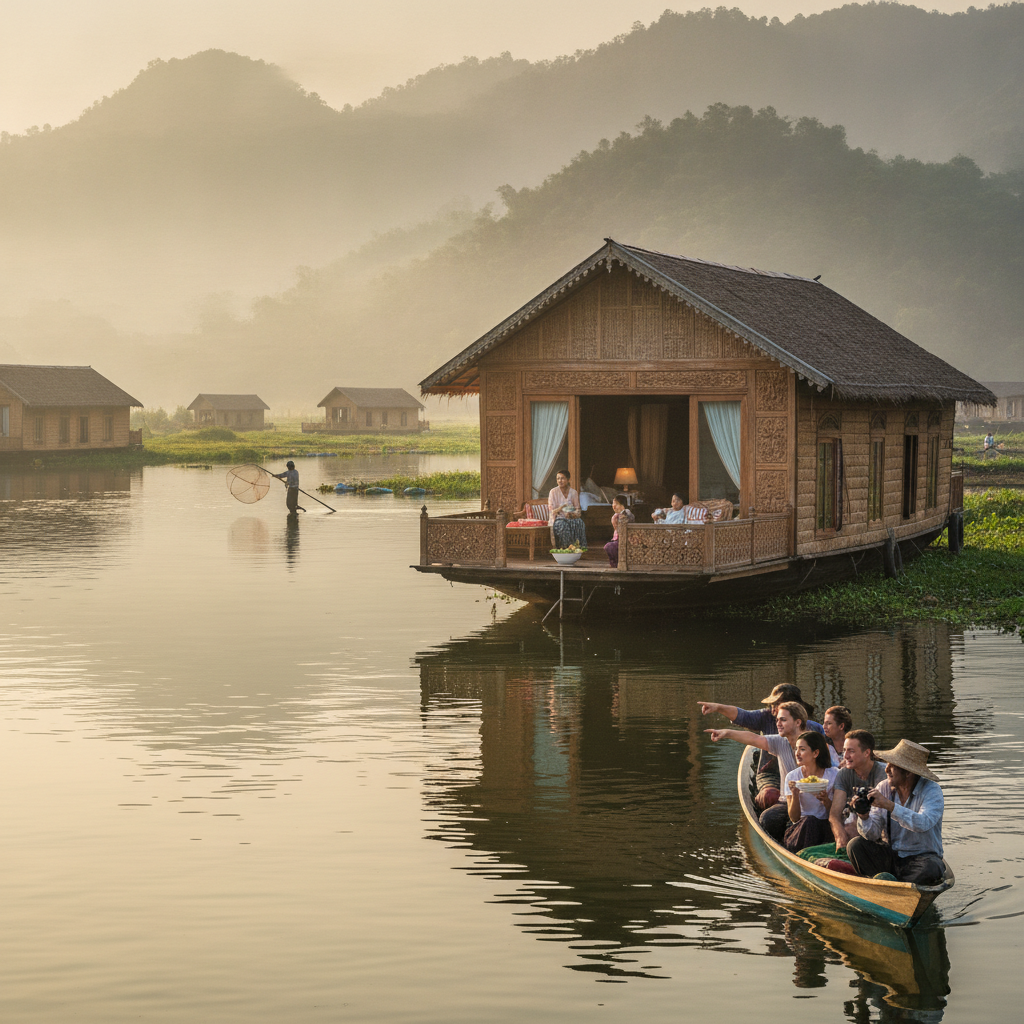
The palafito villages — stilt communities built directly over the water — are the human heart of this ecosystem. Nueva Venecia and Buenavista are the two most frequently visited, their wooden walkways connecting brightly painted houses whose residents have fished these waters for generations. Arriving by motorized lancha rather than organized tour creates a fundamentally different dynamic: you negotiate your own route, stop when something catches your eye, and share the boat with people actually going somewhere rather than with a curated group following a fixed schedule. Apps like GetYourGuide list organized day tours from Cartagena and Santa Marta for those who want structural support, but the genuinely budget-conscious traveler books directly at the dock in Tasajera or the Ciénaga waterfront, where independent boatmen offer multi-hour circuits at a fraction of the agency markup.
Building the Circuit and Managing Costs
The practical architecture of a Ciénaga Grande slow boat trip requires modest planning but very little money. From Cartagena, a direct bus along the coastal highway to the town of Ciénaga takes roughly two to two and a half hours and costs a small fraction of what a taxi transfer to any resort would charge. Rome2rio is useful for mapping this connection and understanding the interchange points, though locals at Cartagena's bus terminal will walk you through the same information for free. Once in Ciénaga, guesthouses along the main streets charge rates that would barely cover a single meal at a Cartagena hotel restaurant — basic but clean rooms with ceiling fans and fresh seafood available at the corner comedores for remarkably honest prices.
From Ciénaga's waterfront or the nearby Tasajera causeway, independent boat operators run circuits lasting anywhere from three hours to a full day. Negotiating a longer route that includes Nueva Venecia, a stretch through the inner mangrove channels, and a return pass along the flamingo feeding flats near the lagoon's western edge gives you a sequence of experiences that no resort excursion can replicate. Bringing binoculars matters enormously here — the Merlin Bird ID app from Cornell Lab is excellent for real-time species identification and keeps a running life list that makes the morning departure particularly satisfying when the ibis columns begin their first feeding flights. The app works offline once regional bird packs are downloaded, which is practical in an area where mobile signal can be inconsistent over open water.
Accommodation costs for the entire wetland circuit — two nights in Ciénaga, one optional overnight in a palafito guesthouse in Nueva Venecia if you arrange it in advance — typically come in well below a single night at a mid-range Cartagena hotel. Meals follow the same logic: fresh mojarra fish, rice, and patacones from a village comedor cost a fraction of anything on a resort menu, and the quality of the ingredients sourced directly from the surrounding lagoon is genuinely superior. The honest financial comparison isn't just favorable — it's dramatic enough to free up budget for additional travel days elsewhere in Colombia rather than simply recovering from resort-level spending.
Seasonal Timing and Practical Preparation
The Ciénaga Grande rewards seasonal intelligence. December through early March brings the clearest skies, the most concentrated birdlife, and the driest conditions on the causeway roads connecting the lagoon's western access points. This is peak season for flamingo sightings near the Salamanca Island Road Bird Sanctuary, a protected strip of mangrove and tidal flat that runs alongside the coastal highway and can be explored on foot or by rented bicycle from small outfitters near the park entrance. Late November and early April sit in the shoulder window where conditions remain very good but visitor volume from Colombian domestic tourists — who tend to crowd the wetland during holiday weekends — drops noticeably. Avoiding Carnaval de Barranquilla weekend in late February and early March is worth factoring in, since regional transport and accommodation pricing spikes across the entire Caribbean coast during that period.
Practical preparation requires little beyond what any sensible tropical traveler carries: lightweight long sleeves for early morning boat hours when insects are active near the mangroves, a dry bag for camera equipment, reef-safe sunscreen, and enough cash to cover boat negotiations since card acceptance remains limited at the waterfront. iOverlander maintains community-updated notes on docking points, guesthouse conditions, and current boatman rates for the Ciénaga Grande circuit, and the platform's Colombia section tends to be well-maintained by the overlanding and slow-travel community that has discovered this route in recent years.
What makes the Ciénaga Grande circuit genuinely memorable isn't just the cost savings or the birdlife counts — it's the quality of attention the experience demands and rewards. A resort stay asks very little of you; a slow boat through a living wetland asks you to look carefully, move at the water's pace, and accept that the most interesting moments will arrive unannounced. That's a different kind of value entirely, and one that tends to linger long after the tan fades and the return flight lands. Anyone willing to trade a polished pool deck for a flamingo-pink horizon at dawn will find the Ciénaga Grande waiting — unhurried, unhyped, and entirely worth the modest effort of getting there.