
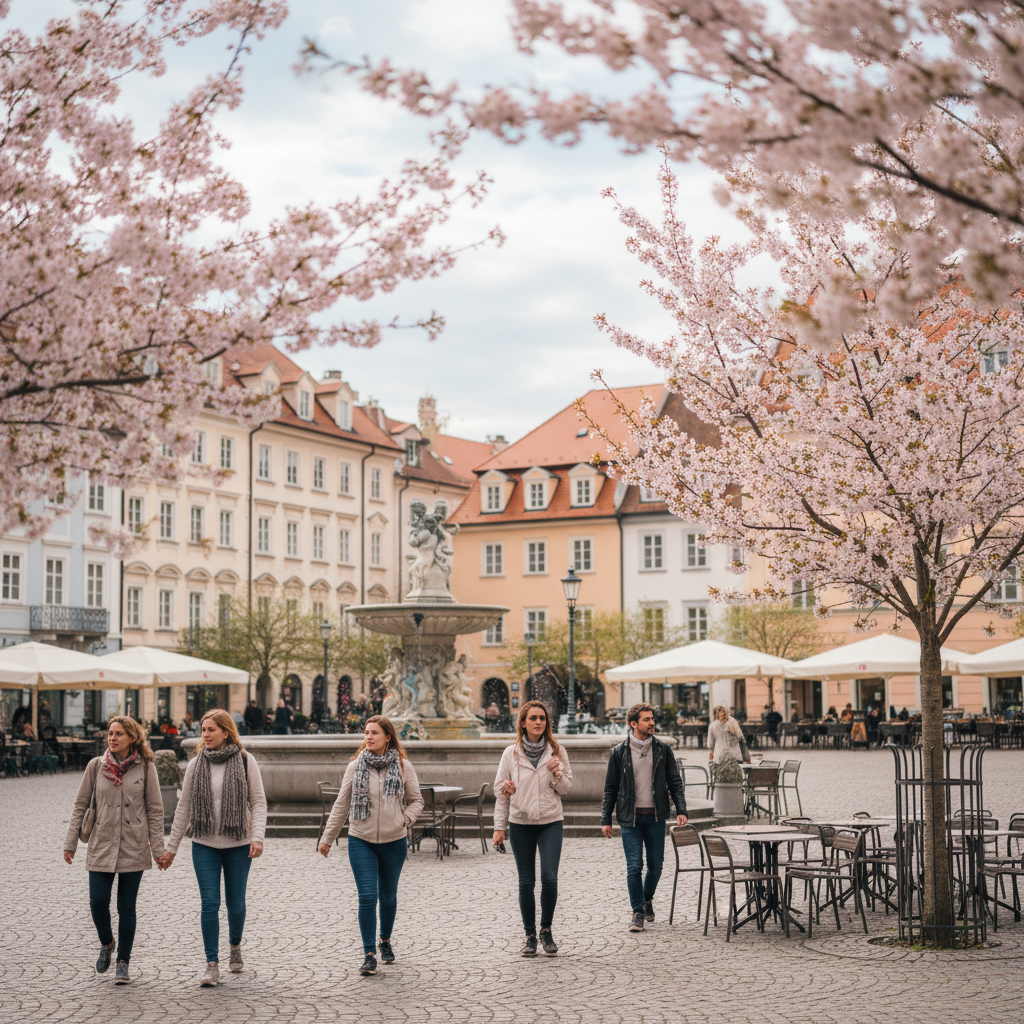
How Spring Shoulder Season Transforms Popular European Destinations
Europe's shoulder season between April and early June reveals a completely different version of the continent's most beloved destinations, stripping away summer crowds while maintaining pleasant weather and reasonable prices. This transformative period offers travelers the rare opportunity to experience iconic cities and regions as they truly are, rather than as overwhelmed tourist magnets struggling under peak season pressure.
The Magic of Timing in Europe's Shoulder Months
Paris in late April showcases tree-lined boulevards bursting with fresh green leaves, while outdoor café terraces welcome locals and visitors alike without the sweltering heat that makes summer sightseeing uncomfortable. The Louvre becomes navigable again, with manageable crowds that allow for contemplation rather than rushed photo opportunities. Restaurant reservations open up, and you'll find yourself dining alongside Parisians rather than exclusively other tourists, creating authentic cultural exchanges that summer's tourist bubble rarely permits.
Rome during shoulder season offers similar revelations, as the eternal city sheds its peak season chaos for something approaching livability. The Spanish Steps become a place to actually sit and people-watch rather than fight for photo space, while Vatican Museums offer breathing room to appreciate masterpieces without being pushed along by impatient crowds. Hotel rates drop significantly from summer peaks, often by 30-40%, making luxury accommodations accessible to travelers who couldn't justify peak season pricing.
Weather Patterns That Work in Your Favor
Spring shoulder season brings surprisingly stable weather patterns across most of Europe, with temperatures ranging from comfortable to warm without reaching the oppressive heat that characterizes July and August in southern destinations. Barcelona and coastal Spain enjoy perfect beach weather without scorching sand or overcrowded waterfronts, while northern cities like Amsterdam and Copenhagen offer their longest daylight hours without summer's intense tourist influx.
The Mediterranean becomes particularly appealing during this window, as destinations like Santorini and the Croatian coast offer warm sunshine and crystal-clear waters before prices skyrocket and ferry systems become overcrowded. Greek islands that close many restaurants and hotels during winter months reopen with fresh energy and eager hospitality, creating intimate experiences that summer's assembly-line tourism can't match.
Strategic Planning for Maximum Shoulder Season Benefits
Booking accommodations during shoulder season requires different timing than peak season planning, with many properties offering last-minute deals rather than early-bird discounts. Apps like Booking.com and Hotel Tonight become particularly valuable during this period, as hotels adjust pricing weekly based on actual demand rather than projected occupancy. The key lies in maintaining flexibility with exact dates while committing to general timeframes, allowing you to capitalize on weather windows and special events.
Transportation planning also shifts during shoulder season, as train routes operate on modified schedules and budget airlines adjust frequency based on demand patterns. The Trainline app becomes essential for tracking schedule changes and price fluctuations, while Rome2Rio helps identify alternative routes that might become available as seasonal services resume. Rental car availability improves significantly after Easter weekend, with better vehicle selection and competitive pricing as agencies prepare for summer demand.
Cultural Events and Local Celebrations
Shoulder season coincides with numerous local festivals and cultural events that showcase authentic European traditions without tourist-focused marketing. Amsterdam's King's Day in late April transforms the entire city into an orange-clad celebration that locals genuinely participate in, while spring festivals across Germany's Rhine Valley offer wine tastings and regional cuisine in settings designed for residents rather than tour groups.
Museum exhibitions often change during shoulder season, with major institutions like the Uffizi in Florence and the Prado in Madrid introducing new collections after winter closures and renovations. Theater seasons reach their climax before summer breaks, offering opportunities to experience world-class performances in historic venues without the premium pricing that accompanies peak tourist periods.
Practical Considerations for Shoulder Season Travel
Packing for European shoulder season requires layering strategies that accommodate temperature variations between morning coolness and afternoon warmth, particularly in transitional climates like London and Brussels. Weather can shift quickly during this period, making apps like Weather Underground valuable for hourly forecasting that helps plan daily activities around optimal conditions.
Dining patterns differ significantly during shoulder season, as restaurants return to serving local clientele rather than adapting menus and service styles for international visitors. Reservation systems like OpenTable show greater availability, while local recommendations from hotel concierges become more valuable than tourist-focused review platforms. Many establishments offer spring menus featuring seasonal ingredients that disappear once summer tourist demands shift kitchen priorities toward familiar, easily-prepared dishes.
The shoulder season window continues expanding as European destinations recognize the benefits of distributing tourist loads throughout the year rather than concentrating them in three peak months. Climate change has extended pleasant weather periods, while remote work trends allow more travelers to choose optimal timing over traditional vacation schedules. This shift creates opportunities for travelers willing to embrace flexible planning and authentic experiences over guaranteed sunshine and peak-season predictability, making spring shoulder season an increasingly attractive alternative to traditional European summer holidays.