How Store Music Tempo and Volume Changes Throughout the Day Affect Your Shopping Pace and Purchase Decisions
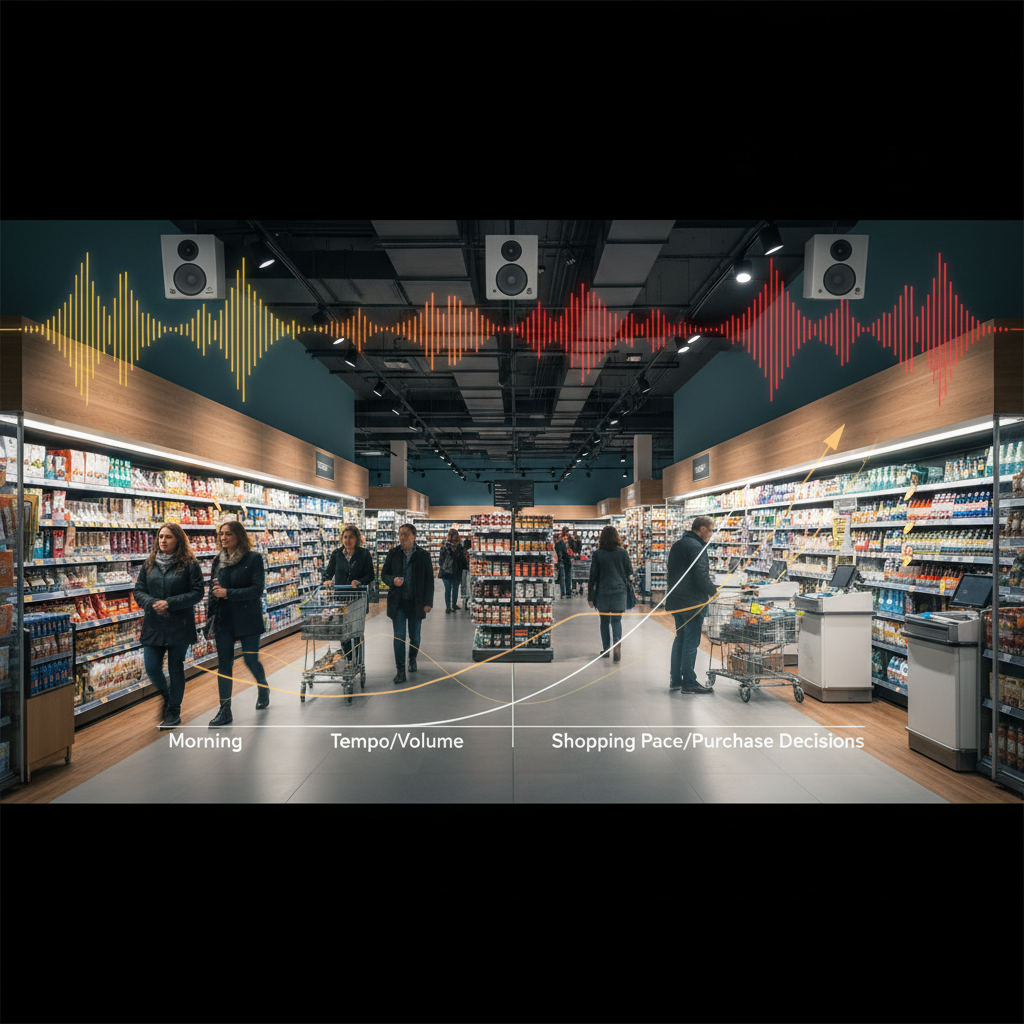
Retailers orchestrate every element of the shopping environment with calculated precision, and the soundtrack accompanying customers' browsing sessions represents one of the most sophisticated tools in their arsenal. The tempo, volume, and style of background music shifts systematically throughout operational hours, subtly influencing how quickly shoppers move through aisles, how long they linger near displays, and ultimately how much they spend. This auditory manipulation operates below conscious awareness for most consumers, making it particularly effective at steering behavior without triggering resistance. Major chains like Target, Whole Foods, and Nordstrom employ teams of sensory marketing specialists who craft playlists designed to maximize revenue during different shopping periods.
How Morning Music Sets a Productive Shopping Tone
The early hours of retail operation feature distinctly energetic soundscapes designed to encourage efficient, purposeful shopping behavior. Stores typically deploy upbeat tracks with faster tempos ranging from 120 to 140 beats per minute during morning hours, creating an atmosphere that matches the urgency many customers feel when completing errands before work or other commitments. This musical choice acknowledges that morning shoppers often have specific goals and limited time, so retailers facilitate quick decision-making rather than extended browsing. Research consistently demonstrates that faster-paced music correlates with increased walking speed and reduced time spent examining individual products. Grocery stores like Kroger and Safeway particularly benefit from this approach, as morning customers frequently shop from predetermined lists and appreciate an environment that supports swift completion of necessary purchases.
What Happens When Afternoon Rhythms Slow Shopping Pace
As the day progresses into afternoon hours, retail environments undergo a deliberate musical transformation designed to encourage more leisurely shopping patterns and increased spending per visit. Stores gradually decrease tempo to approximately 90 to 110 beats per minute while maintaining moderate volume levels that create a comfortable backdrop for extended browsing sessions. This slower pace psychologically signals relaxation and encourages customers to spend more time exploring merchandise they might not have initially intended to purchase. The reduced musical urgency particularly benefits categories like clothing, home goods, and electronics, where additional consideration time often translates to higher-value purchases. Department stores such as Macy's and Dillard's have perfected this strategy, using mellow jazz, acoustic covers, and ambient electronic music to create an unhurried atmosphere that supports impulse buying and thorough product examination.
How Evening Soundtracks Encourage Extended Shopping Sessions
Evening retail hours feature the most sophisticated musical programming, as stores attempt to capture customers who have completed their daily obligations and possess both time and mental space for recreational shopping. The tempo typically decreases further to 80 to 100 beats per minute, while volume remains consistently low to create an intimate, almost lounge-like atmosphere that encourages lingering. This musical environment supports the psychological shift from task-oriented shopping to experience-based retail therapy, where customers browse for pleasure rather than necessity. Evening playlists often incorporate more sophisticated genres like downtempo electronic music, neo-soul, and carefully curated indie selections that create an aspirational mood. Retailers like Anthropologie and West Elm excel at this approach, using evening hours to showcase their lifestyle branding through atmospheric soundscapes that make customers want to inhabit the world the store represents.
What Smart Shoppers Can Do to Maintain Purchase Control
Understanding these auditory influences allows you to develop strategies that protect your shopping intentions from subconscious manipulation. Recognize that morning visits often provide the most neutral environment for practical purchases, as the music supports efficiency rather than extended browsing that leads to impulse buying. When shopping during afternoon or evening hours, maintain awareness of how the slower musical pace might be encouraging you to linger longer than necessary or consider items outside your original shopping goals. Create shopping lists before entering stores and use them as anchors to maintain focus regardless of the atmospheric programming surrounding you. Consider wearing headphones with your own playlist when making significant purchases, as this eliminates the retailer's ability to influence your mood and decision-making pace through their carefully selected soundtrack. Additionally, set time limits for recreational shopping sessions to prevent the gradual accumulation of unplanned purchases that slower evening music often facilitates.
The next time you notice yourself unconsciously swaying to a store's background music or feeling inexplicably relaxed while browsing, remember that this response represents the culmination of extensive research into consumer psychology and auditory influence. Armed with awareness of these techniques, shoppers can make more intentional decisions about when and how they engage with retail environments, ensuring that their purchases reflect genuine needs rather than the subtle persuasion of a carefully orchestrated soundtrack.