
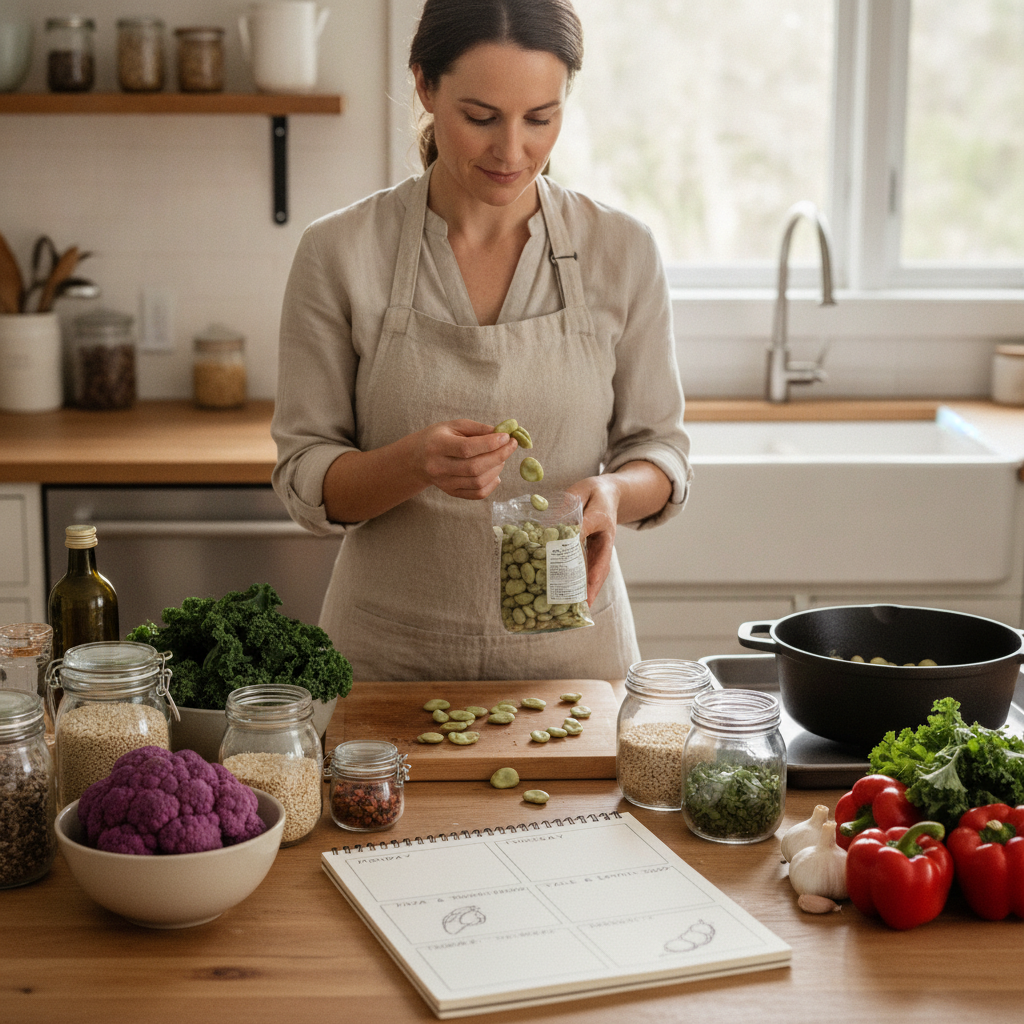
How Designing a Deliberate Weekly Cooking Ritual Around One New Ingredient Builds Culinary Confidence While Quietly Expanding Your Nutritional Range
Confidence in the kitchen is rarely born from ambition — it grows from repetition, curiosity, and the willingness to make something unfamiliar feel ordinary. Most people who describe themselves as unadventurous cooks aren't lacking talent; they're lacking a structure that makes exploration feel safe rather than overwhelming. The solution isn't a month-long meal plan overhaul or a subscription box filled with exotic ingredients that sit unused. It's something far quieter: choosing one new ingredient per week and building a simple, intentional ritual around learning it.
The Psychology of Incremental Culinary Exploration
There's a concept in behavioral psychology sometimes called shoshin — a Japanese term meaning "beginner's mind" — that describes the openness and eagerness a novice brings to any subject, unclouded by assumptions or entrenched habit. Applying that mindset to cooking doesn't mean abandoning everything you know. It means deliberately carving out space, once a week, to approach one ingredient as if encountering it for the first time. When the scope is narrow — just one ingredient, just one week — the psychological barrier drops significantly. The ritual becomes manageable, and manageability is what sustains any habit over time. Cooking shows like those aired on the Food Network or platforms like America's Test Kitchen have long understood this: viewers return not because every episode is revolutionary, but because each one makes something specific feel achievable.
Choosing the Ingredient With Intention
The weekly ingredient shouldn't be chosen randomly. Part of what makes this ritual effective is the small act of deliberate selection — scanning the produce aisle at a store like Whole Foods or a local farmers market, noticing what's seasonal, what's unfamiliar, or what you've always avoided without quite knowing why. Miso paste, fresh turmeric root, black garlic, lacinato kale, or freekeh — a roasted green wheat grain used extensively in Middle Eastern cooking — each carries its own flavor logic that, once understood, opens doors to entire culinary traditions. The selection process itself is a form of low-stakes decision-making that builds confidence before you've even touched a pan. Writing the ingredient down, researching its origins, and reading two or three simple preparations takes perhaps fifteen minutes and transforms what might feel like a chore into something closer to study.
Building the Ritual Around Simplicity First
The most common mistake when experimenting with a new ingredient is reaching immediately for a complex recipe. A better approach is what professional cooks sometimes call mise en place thinking — setting everything in its place before cooking, including your expectations. The first preparation of any new ingredient should be nearly bare: roast it, simmer it simply, or taste it raw if appropriate. Understanding its baseline flavor is the foundation. From there, the week's remaining meals can incorporate it in gradually more complex ways — folded into a grain bowl one evening, stirred into a soup the next, perhaps blended into a sauce by the weekend. Apps like Yummly or Paprika make it easy to search by ingredient rather than by dish, which shifts the mental model from "what should I cook tonight" to "what else can this ingredient do."
What Nutritional Breadth Actually Looks Like
Nutritional diversity is one of those phrases that sounds abstract until it's mapped against real eating patterns. Most households, even health-conscious ones, cycle through roughly the same dozen ingredients week after week — chicken breast, broccoli, brown rice, and a handful of familiar spices. This consistency feels efficient, but it quietly narrows the spectrum of vitamins, minerals, and beneficial compounds the body receives. Ingredients like tempeh, a fermented soybean product originating in Indonesia, or za'atar — a Middle Eastern herb blend combining thyme, sumac, and sesame seeds — carry nutritional profiles that standard pantry staples simply don't replicate. By rotating through one new ingredient weekly, a household naturally builds broader nutritional coverage across a year without ever having to think in terms of supplements or clinical optimization. The breadth emerges as a byproduct of curiosity.
How the Ritual Compounds Over Time
After twelve weeks of this practice, something shifts. Ingredients that once seemed foreign start appearing in spontaneous weeknight cooking without any deliberate effort. Gochujang — the Korean fermented chili paste now stocked at most large grocery chains — stops being an experiment and becomes a pantry staple. Farro replaces white rice without any sense of sacrifice. The cumulative effect is a personal culinary vocabulary that expands quietly, week by week, until it becomes the natural language of how that household cooks. This is what genuine confidence looks like: not the dramatic ability to execute a twelve-course dinner, but the casual ease of reaching for miso when a soup tastes flat, or adding pomegranate molasses when a roasted vegetable dish needs brightness. The ritual doesn't just teach ingredients — it teaches the underlying logic of flavor.
Making It Sustainable Without Making It Precious
Rituals fail when they become burdensome. The weekly ingredient practice should have almost no overhead: one ingredient, whatever it costs at your local store, incorporated into meals you were already planning to cook. If the new ingredient sits unused mid-week, that's fine — return to it on the weekend. If a preparation fails spectacularly, the lesson is still useful. The goal is not perfection but familiarity, and familiarity is built through repetition rather than success. Keeping a simple running list — even a note on your phone — of ingredients already explored creates a satisfying record of culinary growth that's far more motivating than any meal plan app. Over time, that list becomes a map of the kitchen confidence you've quietly built.
The kitchen is one of the few places in modern life where creativity, nourishment, and daily necessity converge in a single act. When someone first decides to approach cooking with genuine openness — not ambition, not performance, just curiosity about one unfamiliar ingredient in one ordinary week — they begin a practice that compounds in ways they won't fully appreciate until months later. What started as a deliberate ritual eventually becomes the unremarkable way they cook: with range, with ease, and with a pantry that quietly reflects a wider, healthier, more interesting life.