How the 20-20-20 Rule Prevents Digital Eye Strain During Long Screen Work Sessions
Staring at screens for extended periods creates a cascade of uncomfortable symptoms that disrupt productivity and comfort. Your eyes water, blur, or feel gritty after several hours of focused computer work. Headaches develop gradually throughout the day, and that familiar burning sensation around your temples becomes impossible to ignore.
Digital eye strain affects millions of remote workers, students, and professionals who spend their days navigating between spreadsheets, video calls, and endless browser tabs. The 20-20-20 rule offers a simple framework for protecting your vision during marathon work sessions. This technique involves looking at something 20 feet away for 20 seconds every 20 minutes of screen time.
Set Multiple Timer Reminders Throughout Your Workday
Your phone's built-in timer becomes your most valuable tool for implementing the 20-20-20 rule consistently. Set recurring alerts every 20 minutes using apps like Forest or Be Focused, which provide gentle notifications without jarring interruptions. Many professionals find success with smartwatch vibrations that remind them to pause without disrupting colleagues during meetings. The key lies in making these breaks automatic rather than relying on memory during intense work sessions.
Identify Your 20-Foot Reference Points in Advance
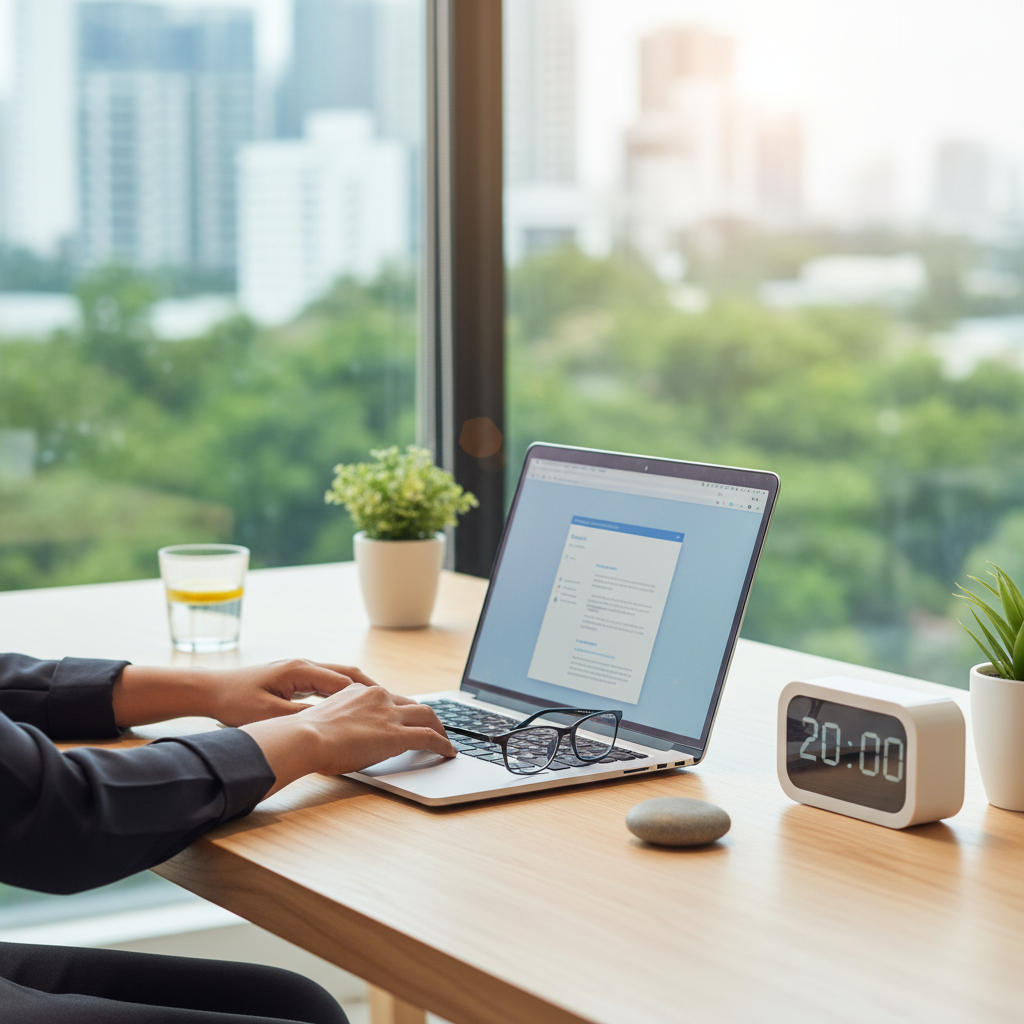
Measuring 20 feet might seem challenging in cramped office spaces or home setups, but most rooms offer suitable focal points. A tree outside your window, artwork in the hallway, or even the far corner of your room typically provides adequate distance. In smaller spaces, looking out any window automatically extends your focal range beyond 20 feet. Apartment dwellers can focus on buildings across the street or the furthest visible point in their living area.
Practice the Focus Shift Technique for Maximum Relief
Simply glancing away from your screen isn't enough to reset your eye muscles effectively. During each 20-second break, consciously shift your focus from near to far distances, then back again. Start by looking at your keyboard, then gradually extend your gaze to the middle distance, and finally settle on your chosen 20-foot target. This progressive focusing exercise helps your ciliary muscles relax more completely than static distance viewing alone.
Combine Eye Breaks with Light Physical Movement
Standing during your 20-second breaks amplifies the benefits beyond eye strain relief. Roll your shoulders, stretch your neck gently from side to side, or take three deep breaths while maintaining your distant focus. These mini movement breaks improve circulation, reduce neck tension, and prevent the stiffness that accompanies prolonged sitting. Remote workers often use these moments to walk to their kitchen window or step briefly onto a balcony.
Adjust Your Screen Position and Lighting Conditions
Your monitor should sit slightly below eye level, with the top of the screen at or just below your natural line of sight. Position screens perpendicular to windows to minimize glare, and ensure ambient lighting remains consistent with your display brightness. Companies like BenQ and ASUS manufacture monitors with built-in ambient light sensors that automatically adjust screen brightness throughout the day. Proper positioning reduces the strain that makes 20-20-20 breaks feel more urgent and necessary.
Track Your Compliance Using Simple Habit Monitoring
Many people abandon the 20-20-20 rule after a few days because they don't notice immediate dramatic changes. Keep a simple tally sheet next to your workspace, marking each successful break during your first week of implementation. Habit tracking apps like Streaks or Habitify can send gentle reminders and help you visualize your consistency over time. Most users report significant improvements in end-of-day eye comfort after maintaining the practice for just one week.
Recognize When Additional Eye Care Becomes Necessary
The 20-20-20 rule effectively manages typical digital eye strain, but persistent symptoms may indicate underlying vision problems. Schedule an eye examination if headaches continue despite consistent breaks, or if you notice increased sensitivity to light throughout the day. Optometrists can prescribe specialized computer glasses with blue light filtering or slight magnification to reduce focusing effort during screen work.
Adapt the Rule for Different Types of Screen Work
Intensive tasks like video editing or detailed spreadsheet analysis may require modified break schedules. Graphic designers using programs like Adobe Photoshop or Illustrator benefit from 15-minute intervals rather than 20, especially during color-critical work. Similarly, programmers debugging complex code often find that brief 10-second distance glances every 10 minutes prevent eye fatigue without disrupting their problem-solving flow.
The growing awareness of digital wellness in workplace culture suggests that eye strain prevention will become increasingly integrated into standard office practices. Forward-thinking companies already install software that prompts employees to take vision breaks, while ergonomic consultants routinely include eye care in their workspace assessments. As remote work remains prevalent, mastering simple techniques like the 20-20-20 rule becomes essential for maintaining long-term productivity and comfort during screen-heavy careers.