How the 4-7-8 Breathing Technique Helps Combat Afternoon Energy Crashes Without Caffeine
That familiar 2 PM energy dip hits like clockwork, leaving you reaching for another cup of coffee or contemplating a third energy drink. Your productivity plummets, your focus scatters, and even simple tasks feel overwhelming. While caffeine offers a quick fix, it often creates a cycle of dependency and evening sleep disruption that makes tomorrow's crash even worse.
The 4-7-8 breathing technique provides a natural alternative that works with your body's own energy systems. This simple respiratory pattern activates your parasympathetic nervous system, optimizes oxygen delivery, and helps regulate cortisol levels without artificial stimulants. Unlike caffeine, which can leave you jittery and interfere with sleep, controlled breathing enhances your natural energy reserves while promoting overall well-being.
Master the Basic 4-7-8 Pattern
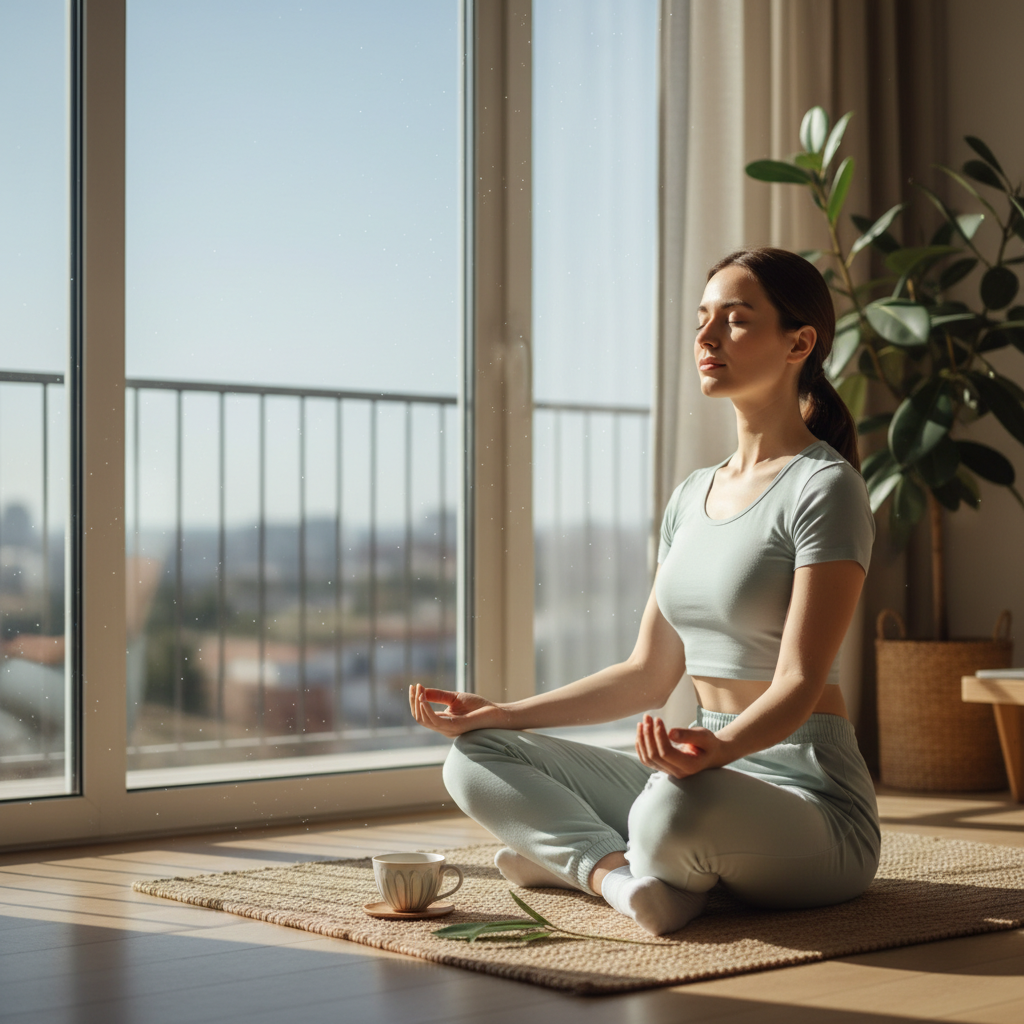
Start by sitting comfortably with your back straight and feet flat on the floor. Place one hand on your chest and the other on your abdomen to monitor your breathing depth. Exhale completely through your mouth, making a whoosh sound to empty your lungs. Close your mouth and inhale silently through your nose for four counts, hold your breath for seven counts, then exhale through your mouth for eight counts with that same whoosh sound. This creates the foundation rhythm that activates your body's natural energy regulation systems.
Time Your Sessions During Energy Valley Periods
Most people experience predictable energy dips around 2 PM and 6 PM due to natural circadian rhythms. Begin your 4-7-8 practice about 15 minutes before these typical crash times to prevent the slump rather than react to it. Set a gentle reminder on your phone or calendar app like Google Calendar or Apple Reminders. Early intervention allows your nervous system to maintain steady energy levels throughout these vulnerable periods. You'll notice improved alertness and focus when you practice proactively rather than waiting until fatigue sets in.
Create a Dedicated Breathing Space at Work
Designate a specific location for your breathing practice, whether it's your desk chair, a quiet corner, or even your car. Companies like Google and Microsoft have embraced workplace wellness spaces specifically for these activities. Remove distractions by closing laptop screens, silencing notifications, and positioning yourself away from high-traffic areas. Consistency in location helps your mind associate the space with relaxation and energy restoration. Even a simple visual cue like a small plant or calming photo can signal your brain to shift into the restorative breathing mode.
Combine Movement with Breathing for Enhanced Results
Gentle stretching amplifies the energy-boosting effects of the 4-7-8 technique. Try shoulder rolls during the inhale phase, neck stretches during the hold, and arm circles during the exhale. Walking meditation works exceptionally well, matching your breathing rhythm to slow, deliberate steps around the office or outside. Physical therapy research shows that combining controlled breathing with light movement increases blood circulation and oxygen delivery more effectively than static breathing alone. This combination approach helps combat the physical stagnation that often contributes to afternoon fatigue.
Track Your Progress Using Simple Metrics
Monitor your energy levels on a scale of one to ten before and after each breathing session. Apps like Insight Timer or Calm include built-in tracking features for mindfulness practices. Notice patterns in your response time, mood changes, and sustained alertness throughout the afternoon. Most people see measurable improvements within the first week of consistent practice. Document these changes in a simple notes app or journal to build motivation and identify your optimal timing and frequency.
Adjust the Count Ratio for Personal Comfort
If the traditional 4-7-8 pattern feels too intense, modify it to 3-5-6 or even 2-4-6 while maintaining the same proportional relationship. The key lies in the exhale being twice as long as the inhale, with the hold phase falling between them. People with respiratory conditions or high anxiety often benefit from these gentler variations. Gradually work up to the full 4-7-8 pattern as your lung capacity and comfort level improve. Never strain or force the breathing, as tension defeats the relaxation response you're trying to activate.
Build Consistency Through Habit Stacking
Link your breathing practice to an existing afternoon routine like checking email, eating a snack, or taking a bathroom break. This habit stacking approach, popularized by productivity experts, creates automatic triggers for your new routine. Place a sticky note reminder on your computer monitor or water bottle as a visual cue. Start with just one complete 4-7-8 cycle and gradually increase to four cycles as the habit solidifies. Consistency matters more than duration when you're establishing this new energy management tool.
Understand the Science Behind Energy Restoration
The 4-7-8 technique works by shifting your autonomic nervous system from sympathetic (fight-or-flight) to parasympathetic (rest-and-digest) dominance. This transition reduces cortisol production, lowers heart rate, and improves oxygen utilization at the cellular level. The extended exhale phase activates the vagus nerve, which signals your brain to release calming neurotransmitters. Unlike caffeine, which artificially stimulates alertness while depleting long-term energy reserves, controlled breathing enhances your natural energy production systems without creating dependency or tolerance.
As workplace wellness continues evolving, breathing techniques like 4-7-8 are gaining recognition alongside traditional fitness and nutrition programs. Companies are incorporating these practices into employee wellness initiatives, and healthcare providers increasingly recommend them as first-line interventions for stress and fatigue management. The simplicity and effectiveness of controlled breathing make it an accessible tool for anyone seeking sustainable energy management without relying on stimulants.