
How Booking Coastal Portugal Towns Like Cascais and Setúbal Instead of Lisbon Cuts Accommodation Costs While Improving Daily Experiences
Lisbon has a way of pulling travelers in with its tiled facades, hilltop viewpoints, and extraordinary food scene — and then quietly draining a travel budget before the third day arrives. Accommodation in the city center has climbed steadily over the past several years, driven by demand that consistently outpaces supply. What many travelers don't realize is that the Lisbon metro area extends along one of Europe's most beautiful coastlines, and the towns anchoring that coast offer something the capital increasingly cannot: space, calm, and genuinely competitive nightly rates.
Choose a Base That Rewards Slow Mornings
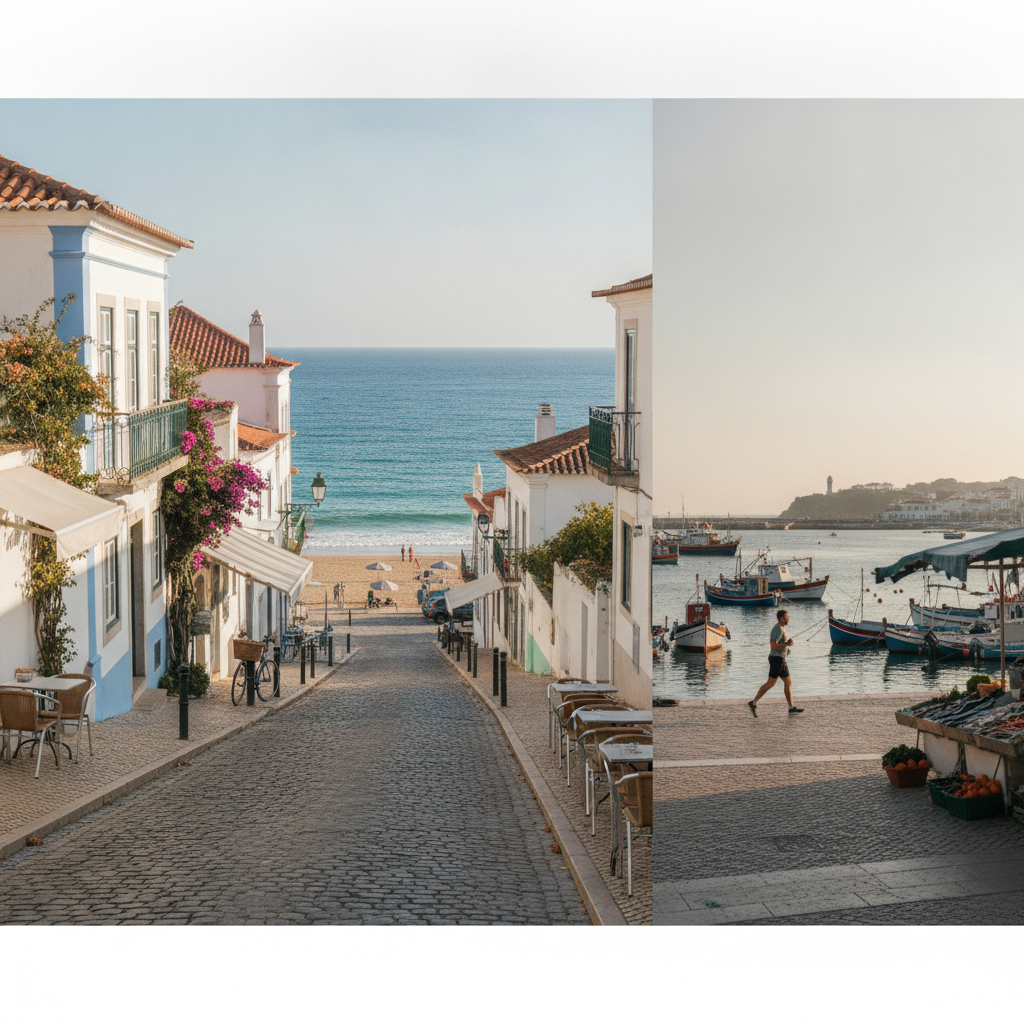
Cascais sits roughly 30 kilometers west of Lisbon along the Estoril Coast, reachable by a direct train that runs every 20 minutes and takes under an hour. Setúbal anchors the southern shore of the Arrábida Natural Park, offering ferry and bus access into the city. Both towns function as legitimate bases for Lisbon day trips, not as compromises. Staying in either location shifts the daily rhythm entirely — mornings begin with a beach walk or a coffee at a harbor café rather than negotiating Alfama's steep lanes with a rolling suitcase.
Compare Nightly Rates Before Assuming Lisbon Is Convenient
The price gap between central Lisbon and the coastal towns is substantial enough to reshape a travel budget over a week-long stay. Properties in Cascais and Setúbal regularly come in at a meaningful fraction of comparable Lisbon listings, particularly for apartments and guesthouses. That difference compounds quickly across multiple nights. Platforms like Booking.com and Airbnb make the comparison straightforward — searching the same dates, the same guest count, and filtering by similar amenity levels reveals a gap that surprises most first-time visitors to the region.
Use the Cascais Line as a Daily Travel Tool
The Cascais Line is one of Portugal's most reliable and scenic commuter rail routes, running along the coast through Estoril before terminating in Cascais. A day pass costs a few euros and allows unlimited travel between the coastal terminus and Cais do Sodré in central Lisbon. Travelers staying in Cascais essentially gain free access to the full coastal corridor — Estoril's casino gardens, the beaches at São João do Estoril, and Lisbon's Baixa district all become equally reachable. The train removes the most common objection to staying outside the city entirely.
Factor In What the Towns Offer Independently
Reducing accommodation costs only tells part of the story. Cascais has its own strong culinary identity, a preserved historic center, and a marina that draws a mix of local families and international sailors. Setúbal positions travelers within easy reach of Arrábida's limestone cliffs and some of the clearest water on the Iberian Peninsula. Spending even one or two days exploring these environments — rather than making every day a Lisbon excursion — shifts the trip away from a city-centric checklist and toward something more textured and personal.
Book Apartments Over Hotels to Unlock Additional Savings
The coastal towns reward the apartment-rental model more generously than central Lisbon does. Larger properties with kitchens and outdoor spaces appear at price points that would buy a single hotel room in Chiado or Príncipe Real. Having a kitchen also reduces daily food spending — the municipal markets in both Cascais and Setúbal carry excellent local produce, fresh fish, and regional cheeses at prices that make self-catering genuinely appealing rather than a budget obligation. Over a week, the combination of lower nightly rates and reduced meal costs creates a meaningful cumulative saving.
Time Arrivals to Avoid Weekend Coastal Surges
Cascais in particular experiences significant weekend demand from Lisbon residents escaping the heat of the city during warmer months. Rates on Friday and Saturday nights can spike noticeably compared to midweek stays. Travelers with flexible schedules benefit from structuring arrivals on Sunday evenings or Monday mornings, when the weekend crowd has cleared and rates settle back to their weekday levels. Setúbal sees a similar but less pronounced pattern, making it a slightly more stable option for travelers who can't control their arrival timing.
Use Setúbal as a Southern Gateway, Not Just a Bedroom Town
Setúbal is frequently overlooked in favor of Cascais because it requires slightly more planning to reach from Lisbon — typically a combination of ferry across the Tagus and onward bus, or a direct bus from Praça de Espanha. That additional logistical step actually works in a traveler's favor. The reduced tourist footfall keeps prices lower, the town's fish restaurants remain oriented toward local customers, and the Arrábida peninsula is genuinely one of Portugal's most undervisited natural assets. Travelers who make Setúbal a base rather than a day trip tend to spend more time outdoors and significantly less money per night.
Account for Transport Costs When Running the Full Comparison
Any honest calculation of coastal-basing has to include the daily cost of the train or bus into Lisbon. The Cascais Line day pass is inexpensive by European standards, and the Fertagus network connecting the south bank to central Lisbon is similarly priced. Running those transport costs across every day of a stay and adding them to the nightly accommodation rate still produces a lower total figure than staying in central Lisbon for most trip lengths of four nights or more. The math changes for very short stays, which is worth recognizing before committing to a coastal base.
Watch for Extended-Stay Discounts on Weekly Bookings
Both Cascais and Setúbal have a growing inventory of properties that offer structured discounts for stays of seven nights or longer — a pricing model that reflects the towns' appeal to slow travelers and remote workers as much as short-break tourists. These weekly rates often represent a further reduction beyond the already lower base price. Searching specifically for weekly or monthly minimums, rather than defaulting to flexible nightly rates, surfaces a category of accommodation that barely exists in central Lisbon at comparable quality levels.
The broader pattern across Portugal's Estoril Coast and Setúbal Peninsula points toward something that holds in many mature European destinations: the most interesting experiences increasingly sit just outside the city limits, and so do the most reasonable prices. As Lisbon's visitor numbers continue to grow and accommodation supply tightens further, the coastal towns become more attractive by comparison rather than less. Travelers who plan their base with the full cost picture in mind — nightly rate, transport, meals, and the value of what the surrounding area offers on its own terms — tend to return having spent less and seen more.