
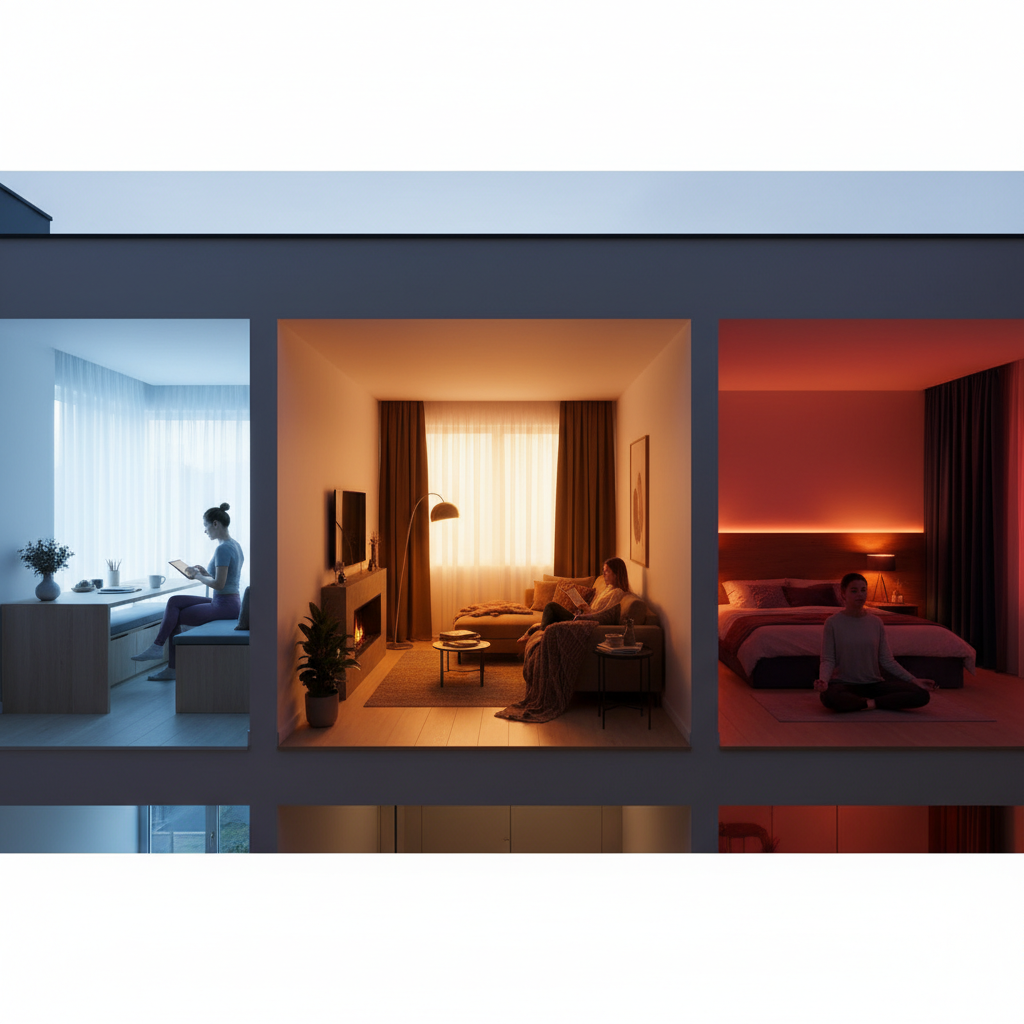
How Color Temperature Lighting Throughout Your Home Influences Mood and Productivity During Different Daily Activities
The quality of light surrounding daily activities shapes mental clarity, emotional balance, and physical energy more profoundly than most people realize. Modern homes typically rely on a single type of lighting throughout, missing the opportunity to harness how different color temperatures naturally align with human circadian rhythms and task-specific needs. Research consistently demonstrates that cooler, blue-rich light enhances alertness and focus, while warmer, amber tones promote relaxation and prepare the body for rest. Understanding this relationship allows homeowners to create environments that actively support their daily routines rather than working against natural biological processes.
The Science Behind Color Temperature and Human Biology
Color temperature, measured in Kelvin, describes the appearance of light from warm (2700K-3000K) to cool (5000K-6500K). The human brain interprets these different light qualities as signals for various physiological responses. Cool light suppresses melatonin production and increases cortisol, creating the alert state needed for concentration and detailed work. Warm light has the opposite effect, encouraging melatonin release while reducing stress hormones. This biological programming evolved over millennia, with bright daylight signaling activity and the warm glow of fire indicating evening rest. Modern LED technology from brands like Philips Hue and LIFX now allows precise control over these temperature ranges throughout the home.
Morning Activation Through Strategic Light Placement
The transition from sleep to wakefulness benefits significantly from gradual exposure to cooler light temperatures. Bedrooms equipped with smart bulbs can simulate sunrise by slowly shifting from warm amber to bright daylight temperatures over 15-30 minutes. This natural progression helps regulate cortisol release, making mornings feel less jarring and improving overall energy levels. Kitchen and bathroom lighting during morning routines should emphasize the 4000K-5000K range to support alertness while preparing for the day. Many people report feeling more naturally awake when their environment mirrors the biological cues their bodies expect during dawn hours.
Optimizing Workspaces for Peak Mental Performance
Home offices and study areas require lighting that sustains concentration without causing eye strain or fatigue. Cool white light in the 4000K-6500K range proves most effective for tasks requiring sustained attention, detailed analysis, or creative problem-solving. However, the intensity matters as much as the temperature – overly bright cool light can create tension and headaches. The ideal workspace combines overhead lighting at moderate intensity with task lighting that provides focused illumination without harsh shadows. Companies like Lutron and GE have developed specialized desk lamps that automatically adjust throughout the day, maintaining optimal conditions for cognitive performance while reducing the mental load of manual adjustments.
Evening Wind-Down Rituals Through Warm Lighting
The hours leading up to bedtime require a deliberate shift toward warmer light temperatures to support natural melatonin production. Living rooms, bedrooms, and hallways should transition to 2700K-3000K lighting approximately two hours before intended sleep time. This warm light creates a cozy atmosphere that psychologically signals the end of active work and the beginning of rest preparation. Dimmer switches become particularly valuable during this transition, allowing gradual reduction in both intensity and temperature. Many families find that establishing this lighting routine helps children settle more easily and improves sleep quality across all age groups.
Activity-Specific Lighting for Different Home Zones
Each area of the home serves different functions throughout the day, making zone-specific lighting strategies particularly effective. Kitchens benefit from bright, cool light during meal preparation but warmer tones during dinner conversations. Bathrooms need energizing light for morning grooming routines yet softer illumination for evening relaxation. Reading areas perform best with warm white light that reduces eye strain during extended periods of focus. Exercise spaces require bright, cool lighting to maintain energy and motivation, while meditation or yoga areas call for gentle, warm illumination that promotes calm focus. This targeted approach ensures that lighting actively supports each activity rather than creating unnecessary biological confusion.
Creating Your Personalized Lighting Schedule
Implementing effective color temperature strategies doesn't require expensive smart home systems, though they certainly simplify the process. Start by identifying your most important daily activities and their optimal lighting conditions. Replace standard bulbs with adjustable LED options in key areas like the bedroom, home office, and main living space. Set timers or reminders to manually adjust lighting until the routine becomes automatic. Pay attention to how different light temperatures affect your energy, mood, and sleep quality over several weeks. Many people discover that even small adjustments – like using warmer bulbs in bedside lamps or installing cooler task lighting at their desk – create noticeable improvements in daily comfort and productivity.
As smart home technology becomes more accessible and energy-efficient lighting options expand, the integration of circadian-friendly lighting will likely become standard in residential design. The growing understanding of light's impact on health and productivity suggests that future homes will automatically adjust their lighting environments throughout the day, creating spaces that inherently support human biological rhythms and enhance quality of life.