
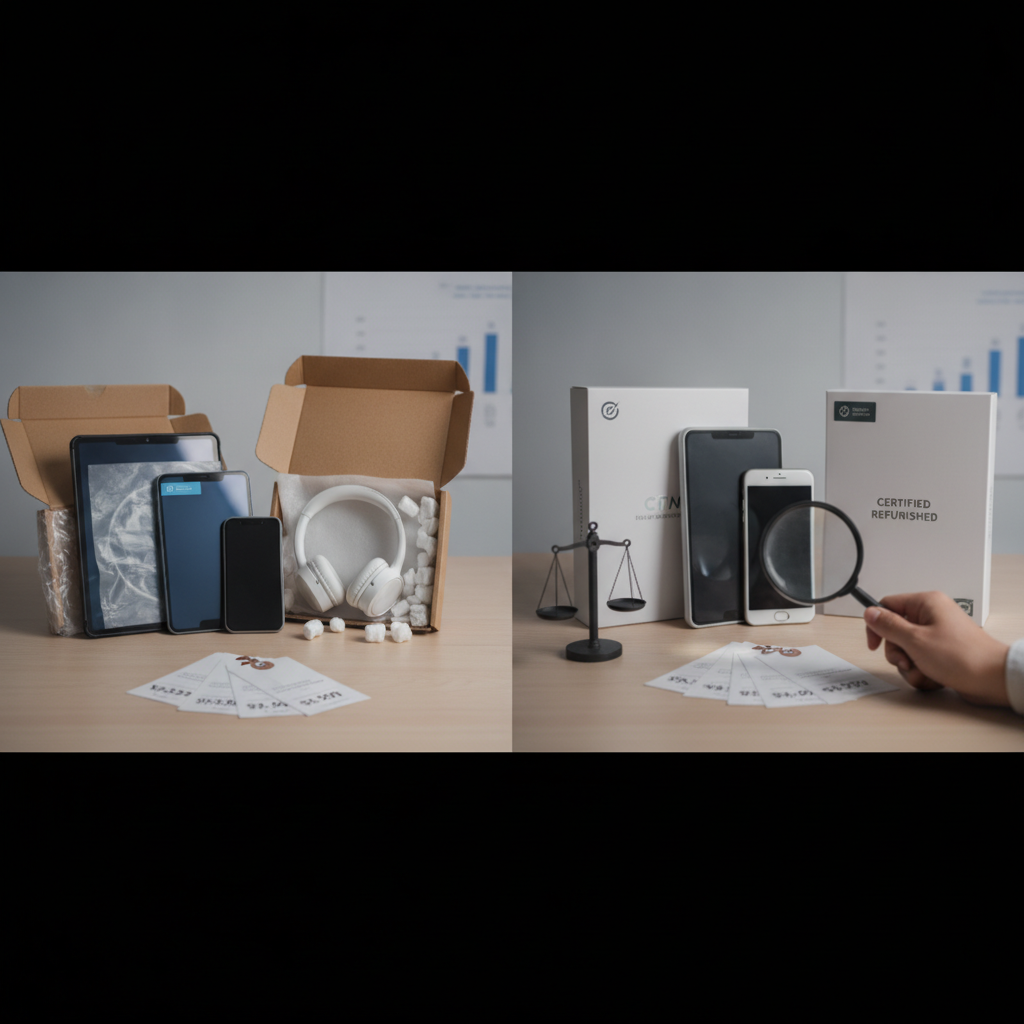
How Open-Box and Certified Refurbished Grading Tiers at Major Retailers Differ and Which Grade Actually Delivers the Best Value
Retailers sell millions of returned and refurbished products every year, but the grading systems attached to those products vary so widely that two items labeled similarly at different stores can represent vastly different levels of quality and risk. Understanding how these tiers actually work — and what they mean for the buyer — is one of the more practical skills a careful shopper can develop.
What Open-Box Actually Means at Major Retailers
Open-box simply means the original packaging has been opened, but the reasons behind that vary considerably. A customer may have returned the item unused after deciding it wasn't the right color, or the box may have been opened for display purposes on a sales floor. Best Buy, one of the largest retailers using this category, divides open-box products into tiers: Excellent, Satisfactory, and Fair. Excellent typically means the item shows no visible wear, while Fair signals cosmetic damage like scratches or dents. The price discount deepens with each tier, but so does the uncertainty about what a buyer is actually receiving.
How Certified Refurbished Differs From Simple Returns
Certified refurbished products go through a more formal process than open-box returns. These items have been inspected, repaired if necessary, cleaned, and tested to confirm they meet performance standards — often the manufacturer's own standards. Apple's Certified Refurbished program, for example, replaces outer shells and batteries, includes all original accessories, and ships products in clean packaging. This is meaningfully different from an item that was simply returned, resealed, and placed back on a shelf. The certification step creates accountability that open-box labels, by themselves, rarely guarantee.
The Grading Tier Breakdown Across Different Platforms
Third-party marketplaces have developed their own layered systems. Amazon Renewed uses grades like Premium, Renewed, and Renewed Premium, each with different testing requirements and return window guarantees. Back Market, a platform specializing in refurbished electronics, uses a numerical scale ranging from Fair to Pristine, with detailed descriptions of what cosmetic condition a buyer should expect. Walmart Restored follows a similar pattern. The challenge is that "Grade A" at one seller and "Grade A" at another aren't necessarily equivalent — the underlying inspection standards can differ substantially, making cross-platform comparisons difficult without reading the fine print.
Where Warranties and Return Windows Change the Equation
The financial safety net attached to a graded product often matters more than the grade label itself. Manufacturer-certified refurbished items from brands like Samsung or Apple typically carry one-year warranties that mirror new-product coverage. Open-box purchases from retail stores may come with shortened return windows — sometimes as few as fifteen days — and limited or no warranty protection beyond the store's discretion. Third-party sellers on marketplaces may offer ninety-day coverage, which sounds reasonable until a battery or screen issue surfaces in month five. Warranty length and scope should be weighted heavily when comparing similarly priced items across different tiers.
Which Grade Tends to Deliver the Most Consistent Value
For most buyers, manufacturer-certified refurbished products represent the strongest overall value in this space. The inspection standards are defined by the people who built the device, the warranty coverage is meaningful, and the cosmetic condition is generally predictable. Open-box Excellent items can rival this value when purchased from reputable retailers with generous return policies, but they require more trust in the grading process since there's no universal standard. Budget-tier open-box grades — Fair or Satisfactory — offer steeper discounts but introduce enough uncertainty around cosmetic condition and missing accessories that savings can feel less reliable in practice.
How to Make the Grading System Work in Your Favor
When you're evaluating an open-box or refurbished purchase, start by identifying who performed the inspection — the manufacturer, the retailer, or a third-party seller. Check what warranty or return window accompanies the product and whether it covers functional defects or just cosmetic issues. Read the grade description carefully rather than relying on the label alone, since "Excellent" at one platform may describe something another platform calls "Like New." If you're buying electronics, verify that all original accessories are included, particularly charging cables and adapters, since replacements add cost quickly. Cross-referencing a product's current new price against the refurbished asking price across at least two platforms will tell you whether the discount is genuinely competitive or simply average.
Where the Refurbished Market Is Heading
The refurbished and open-box market has expanded well beyond electronics. Appliances, power tools, furniture, and even sporting goods now move through formal grading systems at major retailers. As sustainability concerns continue influencing purchasing decisions and supply chains stabilize around secondary markets, grading standards are gradually becoming more transparent and consistent — particularly as platforms compete for buyer trust. The retailers and marketplaces that invest in clear, honest grading descriptions and back them with meaningful warranties are positioning themselves as the default destination for value-focused shoppers who have learned that condition and coverage matter far more than a category label alone.