
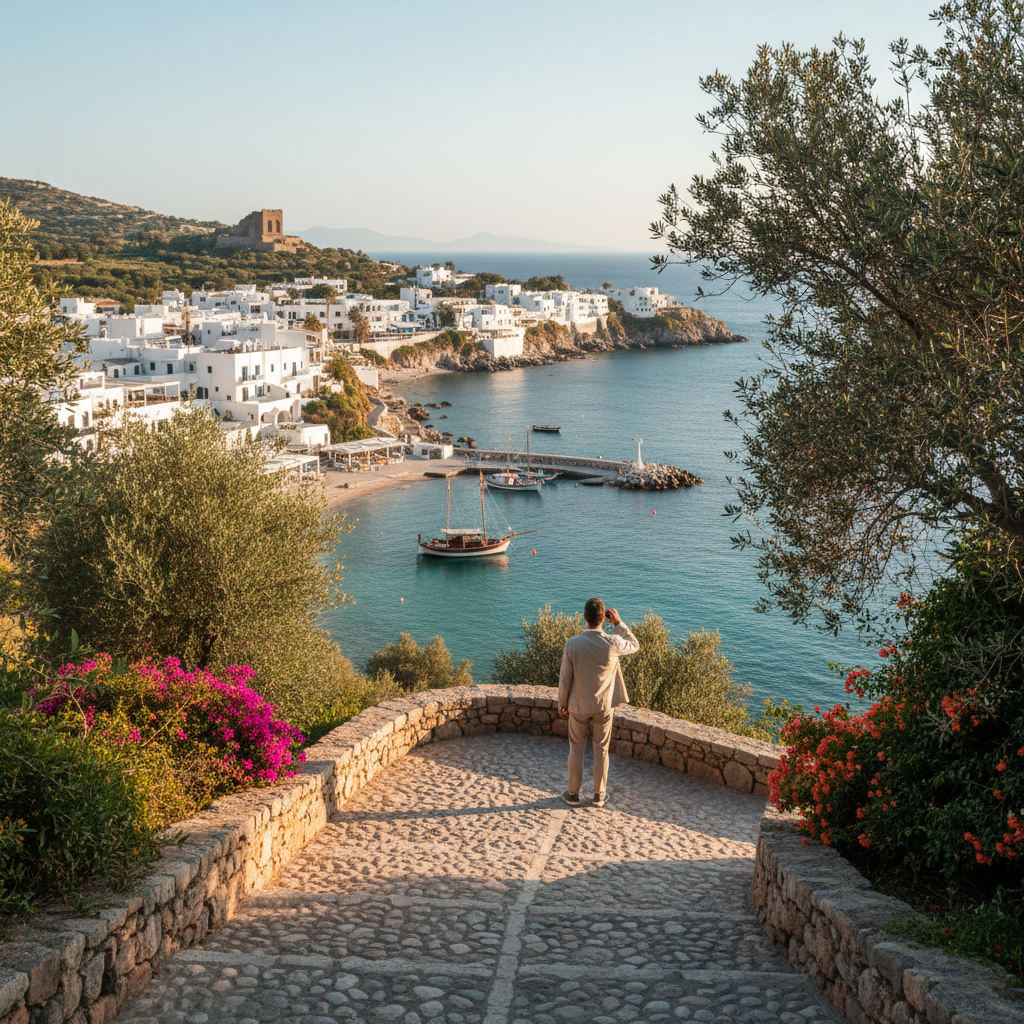
How Shoulder Season Travel Between Mid-April and Mid-May Unlocks Premium Mediterranean Experiences at Budget Prices
The Mediterranean transforms into a traveler's paradise during the sweet spot between mid-April and mid-May, when shoulder season pricing meets near-perfect weather conditions. This four-week window offers an exceptional opportunity to experience premium destinations at significantly reduced costs while avoiding the overwhelming crowds that define peak summer months.
Perfect Weather Without Peak Pricing
Temperatures across the Mediterranean region settle into ideal ranges during late April and early May. Coastal cities like Barcelona, Nice, and Athens enjoy comfortable highs in the mid-70s Fahrenheit, while Greek islands and Turkish coastal towns bask in pleasant warmth without the scorching heat of July and August. Rain becomes infrequent, and swimming becomes viable as sea temperatures begin their gradual climb toward summer comfort levels.
Accommodation rates during this period typically run 30-50% lower than peak season pricing. Luxury hotels that command premium rates in June through September often offer attractive packages and room upgrades to fill capacity during shoulder months. The reduced demand creates opportunities for spontaneous booking decisions and last-minute deals that would be impossible during high season.
Optimal Touring Conditions for Historic Sites
Popular archaeological sites and cultural attractions operate with extended hours but manageable visitor numbers during shoulder season. The Acropolis in Athens, Roman ruins in Split, and historic centers throughout coastal Spain become genuinely enjoyable to explore without the shoulder-to-shoulder crowds that plague these destinations in summer.
Photography enthusiasts particularly benefit from this timing. Golden hour light lasts longer, and iconic viewpoints remain accessible without arriving before dawn to avoid crowds. The combination of favorable lighting conditions and reasonable visitor numbers creates ideal circumstances for capturing memorable images of famous landmarks.
Museums and indoor attractions also offer more comfortable browsing experiences. Air conditioning systems haven't yet reached their summer workout levels, and exhibit spaces allow for contemplative viewing rather than rushed walks through packed galleries.
Restaurant Terraces and Outdoor Dining Excellence
Restaurant patios and waterfront dining areas become truly pleasant during shoulder season evenings. Coastal establishments begin extending outdoor seating hours, and many venues offer their full menus on terraces that might be uncomfortably hot later in the season.
Local markets operate at their peak during these weeks. Seasonal produce reaches excellent quality, and vendors maintain full selection without the stress of managing overwhelming tourist crowds. Shopping for picnic ingredients or local specialties becomes a pleasure rather than a survival exercise.
Wine regions throughout Mediterranean countries offer ideal conditions for cellar tours and tastings. Temperatures remain comfortable for walking through vineyards, and many wineries extend their outdoor tasting areas as weather permits.
Transportation and Logistics Advantages
Public transportation systems operate efficiently without summer strain. Buses, trains, and ferries run on regular schedules with available seating, making island hopping and city connections straightforward to arrange. Apps like Trainline for rail connections and direct ferry booking platforms show real-time availability without the "sold out" notices common during peak months.
Rental car availability improves dramatically, and rates drop to reasonable levels. Popular driving routes along coastal highways become enjoyable rather than exercises in traffic management. Parking in historic city centers, while still challenging, becomes manageable with patience and planning.
Airfare to Mediterranean destinations typically reaches annual low points during these weeks. Airlines reduce capacity between winter and summer schedules, but demand hasn't yet peaked, creating favorable pricing conditions for advance bookings.
Strategic Booking and Planning Considerations
Accommodation booking during shoulder season benefits from flexibility. While advance reservations secure preferred properties, last-minute deals often emerge as hotels adjust pricing based on actual demand patterns. Booking platforms like Booking.com and Expedia frequently offer flash sales and property-specific promotions during these transition weeks.
Restaurant reservations become optional rather than essential. Popular establishments that require weeks of advance booking during summer often accommodate walk-in guests during shoulder season evenings. This spontaneity allows for genuine discovery of neighborhood favorites and local recommendations.
Activity booking follows similar patterns. Boat tours, cooking classes, and guided excursions operate with smaller groups and more personalized attention. Many operators offer shoulder season pricing that includes perks typically reserved for premium packages.
The Future of Mediterranean Shoulder Season
Mediterranean shoulder season travel continues expanding as more travelers discover the advantages of off-peak timing. Climate awareness and overtourism concerns drive increasing numbers of experienced travelers toward these transition periods, potentially shortening the window of truly quiet weeks. Booking earlier in the planning cycle may become necessary as shoulder season gains popularity, but the fundamental advantages of better weather, lower costs, and reduced crowds will likely persist for travelers who plan strategically around these optimal timing windows.