Why Spending Three Nights in Slovenia's Soča Valley Before Entering Croatia Adds Dramatic Alpine Scenery While Avoiding Peak Coastal Pricing
Smart travel rarely follows the most obvious path, and the overland route from Slovenia's interior to Croatia's coast is one of Europe's most rewarding detours hiding in plain sight. Most visitors flying into Ljubljana or Venice head straight for Dubrovnik or Split, bypassing an entire alpine region that offers turquoise river gorges, medieval villages, and dramatically lower accommodation prices. Spending three nights in the Soča Valley before crossing into Croatia doesn't just add scenery — it reshapes the entire rhythm of your trip.
What Makes the Soča Valley Worth Three Full Nights?
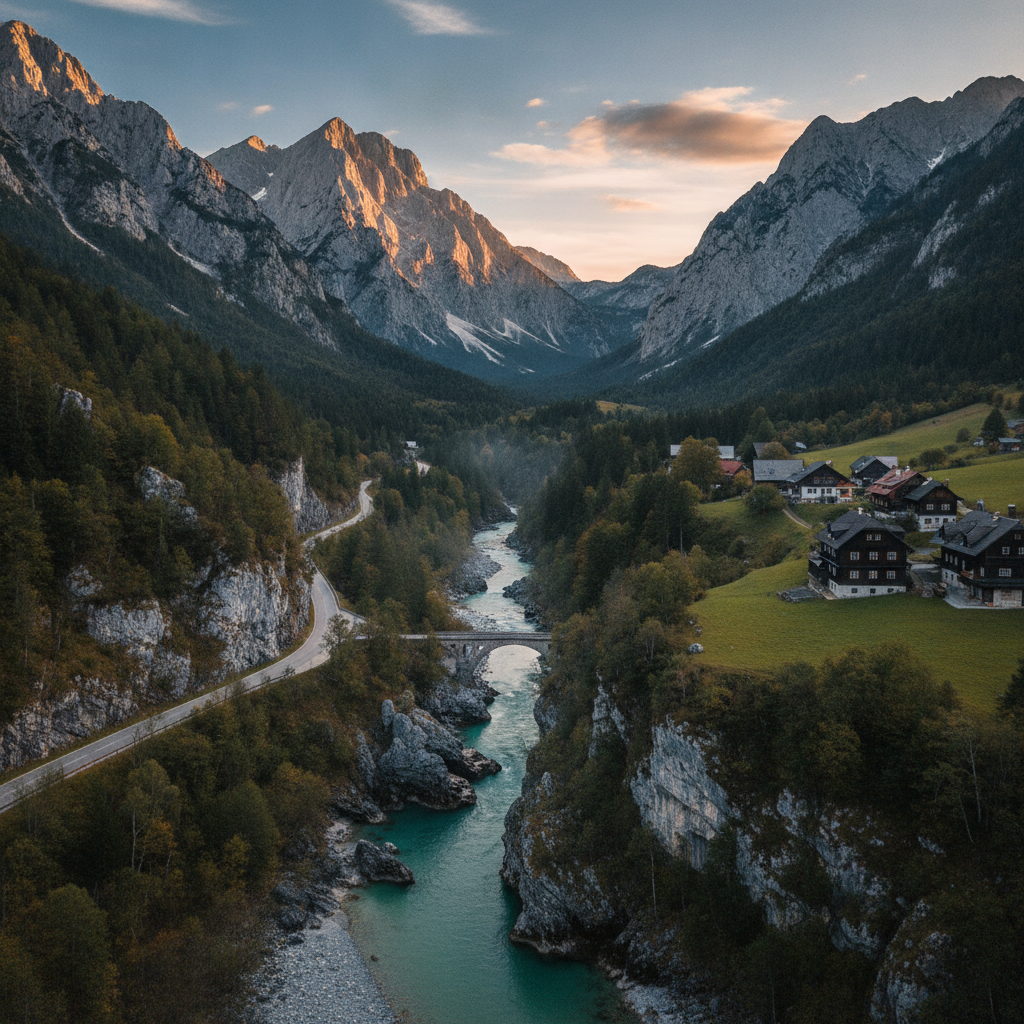
The Soča River runs a color that doesn't look real in photographs and somehow looks even less real in person. The valley surrounding it — stretching from Bovec in the north down through Kobarid toward the Italian border — offers a concentrated stretch of alpine drama that rivals anything in Switzerland or Austria, at a fraction of the cost. Three nights gives you enough time to settle into a single base, explore the surrounding trails and viewpoints at a relaxed pace, and avoid the rushed-tourist experience that one-night stopovers always produce. You also arrive in Croatia genuinely rested rather than already worn down from back-to-back travel days.
Why Bovec Works as Your Base
Bovec sits at the northern end of the valley and serves as the most practical base for combining outdoor activity with comfortable accommodation. The town has a small but reliable selection of guesthouses, apartments, and boutique hotels that run noticeably cheaper than comparable rooms in Dubrovnik or Hvar during summer months. It's also close to Triglav National Park's western edge, the Boka Waterfall trail, and the Soča Trail itself, which follows the river through forest and across suspension bridges. You don't need a car to access most of these experiences, though renting one gives you flexibility to reach Kobarid — home to a remarkable World War I museum — in under thirty minutes.
How Does the Seasonal Timing Actually Work in Your Favor?
The Soča Valley hits its stride from late May through early October, with June and early September offering the ideal balance of warm weather and manageable visitor numbers. Croatia's Dalmatian coast, by contrast, reaches its pricing peak in July and August, when accommodation rates in Split and Dubrovnik can run two to three times what you'd pay in May or September. By spending your first three nights in Slovenia, you're effectively using alpine time to wait out the worst of coastal pricing while still experiencing peak-season conditions in the mountains. This timing strategy works whether you're entering Croatia via Rijeka in the north or driving south along the coast road.
Using Google Flights and Omio to Structure the Route
Google Flights makes it easy to search for one-way arrivals into Ljubljana with onward flights departing from Dubrovnik or Split, letting you price out the full loop before committing. Omio handles the ground leg well — you can compare bus and train options from the Soča Valley region toward Rijeka or Zagreb, which then connects you to Croatia's coastal ferry network. The combination of these two platforms removes most of the logistical guesswork and usually reveals that the overland route costs less than flying directly into a Croatian hub.
What Does the Soča Valley Actually Offer Day by Day?
Day one is best spent simply arriving, walking the banks of the river near Bovec, and adjusting to the altitude and pace. The shift from airport transit to a quiet alpine valley is disorienting in the best possible way, and giving yourself an unscheduled afternoon pays off in mood and energy for the days ahead. Day two works well for a longer hike — the Soča Trail's full northern section covers around 25 kilometers, but you can walk a satisfying portion and turn back without losing anything. Day three is ideal for Kobarid, where the combination of the Kobarid Historical Trail and the Kobariški Stok waterfall loop fills a full morning without requiring a guide or advance booking.
Planning with Komoot for Trail Navigation
Komoot is the most reliable app for planning hikes in this region. It carries detailed trail data for Triglav National Park and the Soča Valley specifically, including surface conditions, elevation profiles, and user-submitted photos from recent visits. Unlike generic mapping apps, Komoot flags which trails require proper footwear and which are accessible in regular walking shoes — a meaningful distinction when you're packing light for a broader Croatia trip and haven't brought hiking boots. Downloading the relevant maps offline before you leave accommodation saves battery and covers the dead zones common in the narrower gorge sections.
How Does the Transition Into Croatia Actually Feel?
Crossing from Slovenia into Croatia via the coastal route through Rijeka delivers a satisfying geographical contrast that you genuinely feel rather than just observe on a map. Within a few hours of leaving the Soča Valley's cool forests and limestone peaks, you're dropping toward the Kvarner Gulf and the first glimpses of Adriatic blue. The psychological effect of that shift — from mountains to sea — is more powerful when you've spent real time in the alpine environment rather than passing through it. It also makes the coastal experience feel earned rather than immediately overwhelming.
What to Book Through Booking.com Before You Arrive
Booking.com remains the most practical platform for securing Soča Valley accommodation because it carries the widest inventory of smaller guesthouses and family-run apartments that don't list on larger holiday rental platforms. Filtering for free cancellation gives you flexibility if your travel dates shift, and reading reviews specifically from guests who visited in the same season you're planning helps calibrate expectations about weather and trail conditions. Booking three to four weeks in advance during summer months is generally sufficient — the valley doesn't face the same crushing demand as coastal Croatia, which is precisely part of its appeal.
What Should You Watch for as This Route Grows in Popularity?
The Soča Valley has been quietly gaining attention among travelers who've grown frustrated with the overtourism pressures on Croatia's coast, and that shift is likely to continue as word spreads. Accommodation supply in Bovec and Kobarid remains limited relative to demand during peak summer weeks, which means early booking will become increasingly important in the coming seasons. The good news is that the valley's character is largely protected by its national park status and the practical limits of its infrastructure — it's unlikely to tip into the kind of saturation that now affects Dubrovnik's old town. For now, three nights here before crossing into Croatia represents one of central Europe's genuinely underused itinerary moves, and the window to enjoy it ahead of the crowd is still open.