
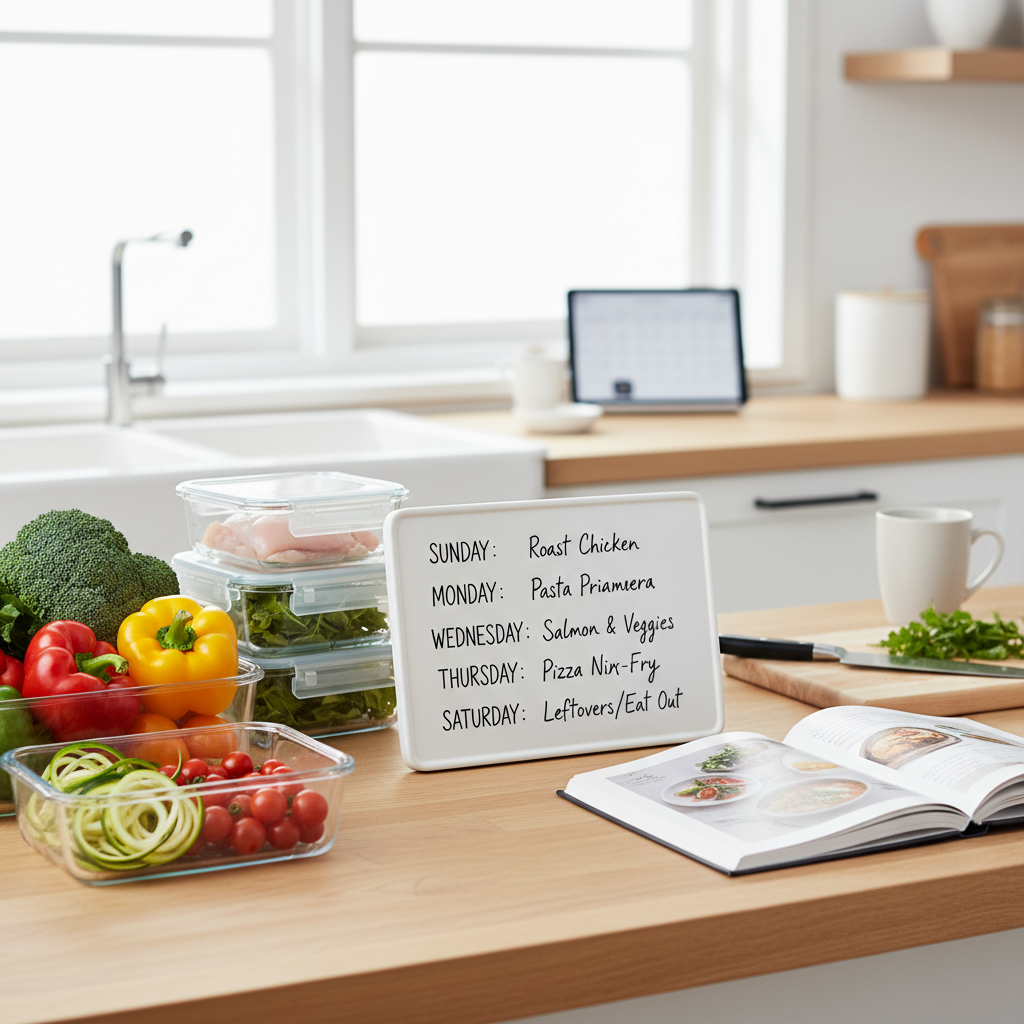
Why Sunday Meal Planning Eliminates the Weekday 'What's for Dinner' Struggle
Sunday afternoon meal planning transforms chaotic weeknight dinners into smooth, stress-free routines by removing the daily burden of food decisions. When families establish this simple weekend practice, they eliminate one of the most persistent sources of evening decision fatigue while saving both time and money throughout the week.
Creating Your Sunday Planning Ritual
Setting aside just 30 minutes every Sunday afternoon creates a powerful foundation for the entire week ahead. This dedicated time allows for thoughtful consideration of schedules, dietary preferences, and ingredient availability without the pressure of hunger or time constraints. Many successful meal planners use apps like Mealime or Plan to Eat during this window, though a simple notebook works equally well. The key lies in consistency rather than complexity, making this ritual as routine as Sunday laundry or grocery list preparation.
Strategic Grocery Shopping Benefits
Planned meals translate directly into focused, efficient grocery trips that save both time and money. Rather than wandering store aisles hoping for inspiration, shoppers with predetermined menus can navigate directly to necessary items. This approach typically reduces grocery spending by avoiding impulse purchases and ensures ingredients work across multiple meals. Stores like Whole Foods and Target now offer pickup services that pair perfectly with detailed meal planning, allowing busy families to order Sunday afternoon and collect groceries on their way home Monday evening.
Reducing Peak-Hour Kitchen Stress
Weeknight dinner preparation becomes significantly calmer when the menu decision is already settled. Instead of standing in front of the refrigerator at 6 PM wondering what to cook, families can begin preparation immediately upon arriving home. This advance planning also allows for strategic prep work during weekend downtime, such as washing vegetables, marinating proteins, or preparing base sauces. The mental energy previously spent on daily food decisions can redirect toward more meaningful family interactions during dinner preparation.
Building Nutritional Consistency
Sunday planning sessions naturally encourage more balanced meal choices compared to spontaneous weeknight decisions. When mapping out five dinners simultaneously, it becomes easier to ensure variety in proteins, incorporate overlooked vegetables, and balance heavier meals with lighter options. This bird's-eye view of the week's nutrition often leads to better grocery selections and reduces the tendency to default to repetitive or less healthy convenience options when decision fatigue sets in.
Maximizing Ingredient Efficiency
Thoughtful meal planning creates opportunities to use ingredients across multiple dishes, reducing food waste and grocery costs. A bunch of cilantro might appear in Monday's tacos, Wednesday's curry, and Friday's grain bowl rather than wilting forgotten in the refrigerator. Similarly, planning allows for strategic use of time-consuming prep work – roasting a large batch of vegetables Sunday that can enhance several weeknight meals. This approach transforms cooking from a daily chore into an efficient weekly system.
Managing Family Schedule Coordination
Sunday planning sessions provide perfect opportunities to coordinate meal timing with family activities, work schedules, and social commitments. Slow-cooker meals can align with busy Tuesday soccer practices, while more elaborate cooking projects can anchor quieter Wednesday evenings. This coordination reduces the common weeknight scramble of realizing too late that dinner plans don't match the day's reality. Families using shared calendars like Google Calendar often find success in noting planned meals alongside scheduled activities.
Emergency Backup Planning
Effective Sunday meal planning includes contingency options for inevitable schedule disruptions or energy shortfalls. Keeping ingredients for one or two ultra-simple backup meals ensures that even when original plans fall through, families avoid the expensive and often less healthy default of takeout ordering. These backup plans might include pantry-based pasta dishes, frozen meal components, or ingredients for quick breakfast-for-dinner options that children typically enjoy.
Building Long-Term Meal Planning Habits
Starting with just three planned meals per week makes this practice more sustainable than attempting to plan every single dinner immediately. Successful meal planners often begin with their most challenging weeknights – typically Tuesday through Thursday – while leaving Monday and Friday more flexible. Over time, families naturally expand their planning as the benefits become apparent and the routine feels effortless. Many discover that this Sunday investment of time pays dividends throughout the week in reduced stress, better nutrition, and more enjoyable family dinner experiences.
This simple Sunday afternoon practice transforms weeknight dinner from a daily decision into a predetermined plan, freeing mental energy for more important family priorities while ensuring better nutrition and reduced food costs.