
How Temperature-Based Morning Routines Optimize Energy and Focus Throughout Seasonal Transitions
Your body's internal temperature naturally fluctuates by approximately two degrees throughout a 24-hour cycle, reaching its lowest point in the early morning hours. This biological rhythm, combined with seasonal light and temperature changes, creates opportunities to harness thermal regulation for enhanced mental clarity and sustained energy levels.
Many people experience noticeable shifts in morning energy as seasons change, particularly during the transition from summer's warmth to autumn's cooler temperatures, or from winter's chill to spring's gradual warming. Rather than fighting these natural variations, temperature-conscious morning routines work with your body's thermoregulatory system to establish optimal conditions for focus and alertness.
Start With Strategic Cold Exposure
Cold exposure within the first hour of waking activates your sympathetic nervous system and triggers norepinephrine release, creating sustained alertness that lasts several hours. During warmer months, a 90-second cold shower provides sufficient stimulus. As temperatures drop in fall and winter, even 30 seconds of cold water at the end of your regular shower delivers measurable benefits. The key lies in consistency rather than duration, allowing your body to adapt gradually while maintaining the neurochemical boost.
Time Your Warm-Up Activities Strategically
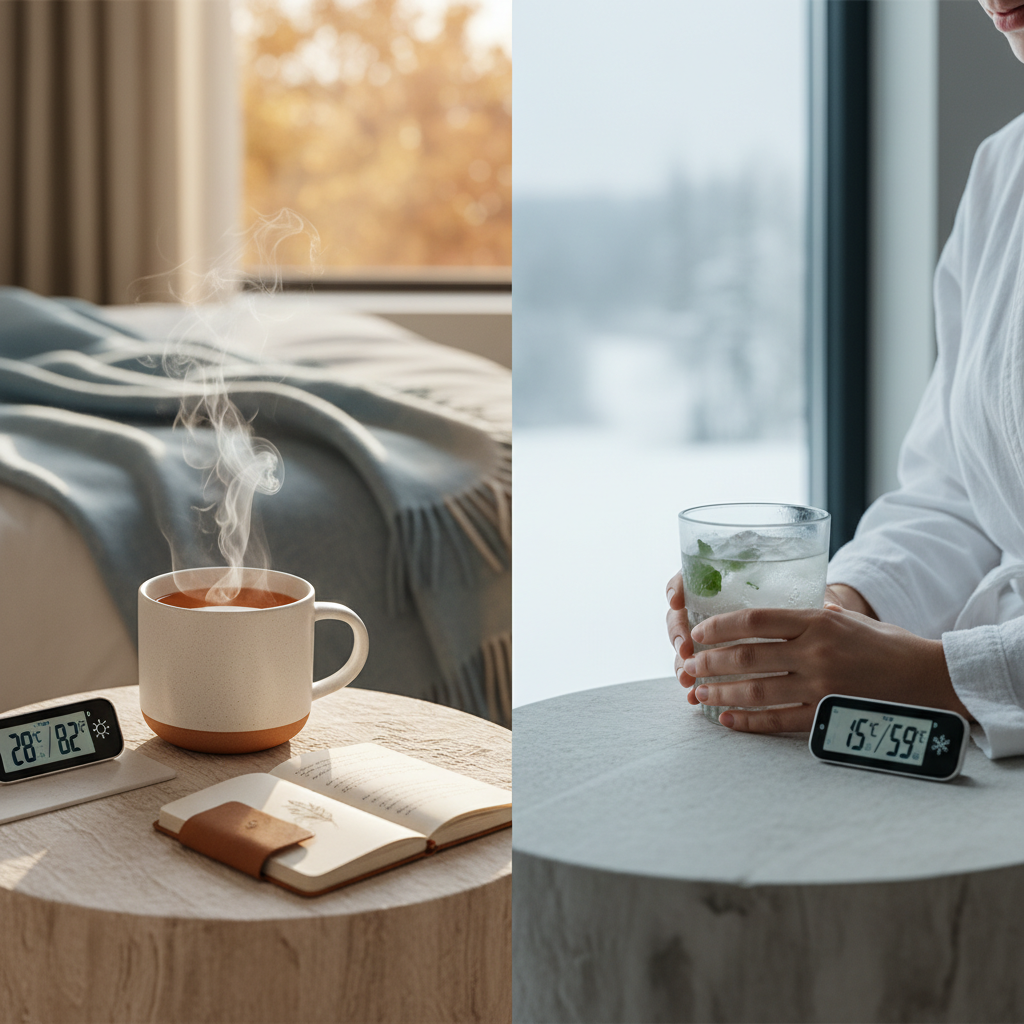
Following cold exposure with controlled warming amplifies the energy-boosting effects through thermal contrast. Light movement, warm beverages, or simply putting on layers creates a natural temperature rise that enhances circulation and mental clarity. During summer transitions, this might mean moving from air conditioning to outdoor warmth. In winter, the progression from cold shower to heated indoor space with warm coffee or tea creates an optimal thermal gradient for sustained focus.
Adjust Light and Temperature Together
Bright light exposure combined with appropriate ambient temperature creates synergistic effects on circadian rhythm regulation. Position yourself near windows while drinking warm beverages during cooler months, or use a light therapy device like those from Philips or Verilux while maintaining comfortable room temperature. The combination signals your brain to increase cortisol production naturally, supporting alertness without the afternoon crash associated with caffeine dependency.
Layer Your Clothing Mindfully
Temperature regulation through clothing choices affects cognitive performance throughout the day. Start with lighter layers that allow for easy adjustment as your body temperature naturally rises through the morning. Brands like Uniqlo and Patagonia offer base layers designed for thermal regulation. This approach prevents overheating as your metabolism increases, while maintaining the option to add warmth if needed. The ability to fine-tune your body temperature supports sustained concentration during work or study sessions.
Synchronize Nutrition With Thermal Rhythms
Warm foods during cooler months and room-temperature options during warmer seasons support your body's natural temperature regulation while providing steady energy. Oatmeal with warming spices like cinnamon during autumn and winter months, or overnight oats with fresh fruit during spring and summer, align nutrition with seasonal thermal needs. The temperature of your first meal influences digestive efficiency and subsequent energy levels, making this timing particularly important for sustained morning focus.
Create Seasonal Breathing Practices
Breathing techniques that incorporate temperature awareness enhance both thermal regulation and mental clarity. During colder months, practice breath warming by inhaling through your nose and exhaling slowly through slightly pursed lips. In warmer seasons, focus on cooling breaths by inhaling through pursed lips and exhaling through your nose. These techniques, adapted from yoga traditions, help regulate core body temperature while activating the parasympathetic nervous system for improved focus.
Establish Location-Based Temperature Zones
Designate specific areas of your home for different thermal experiences during your morning routine. Your bathroom might serve as the cooling zone for cold showers, while your kitchen becomes the warming zone for hot beverages and breakfast preparation. During seasonal transitions, adjust these zones accordingly. In Austin or Phoenix, morning routines might emphasize cooling strategies, while residents of Minneapolis or Boston benefit from warming approaches during extended winter months.
Track Your Personal Temperature Response Patterns
Monitor how different temperature exposures affect your energy and focus levels across seasons using simple tracking methods. Note your alertness on a scale of one to ten after different thermal experiences, and observe patterns over weeks rather than days. Some people respond more dramatically to cold exposure, while others benefit more from warming strategies. Apps like Daylio or simple notebook entries help identify your optimal temperature-based routine adjustments for different seasons and weather patterns.
Temperature-based morning routines represent a growing understanding of how environmental factors influence cognitive performance and energy regulation. As research continues to reveal connections between thermal regulation and brain function, these practices will likely become more refined and personalized, potentially incorporating wearable temperature monitoring and smart home integration for optimal seasonal adaptation.