
How to Create Transition Rituals Between Work and Personal Time When Working From Home
Remote work has blurred the boundaries between professional and personal life in ways that office workers never experienced. When your dining table doubles as your conference room and your bedroom becomes your backup office space, the mental shift between work mode and home mode becomes increasingly difficult to navigate.
Without the natural transition of commuting or walking out of an office building, many remote workers find themselves checking emails at dinner or struggling to fully disconnect from work responsibilities. The absence of physical boundaries makes psychological boundaries even more crucial for maintaining both productivity and personal well-being.
Establish a Physical Workspace Closing Ceremony
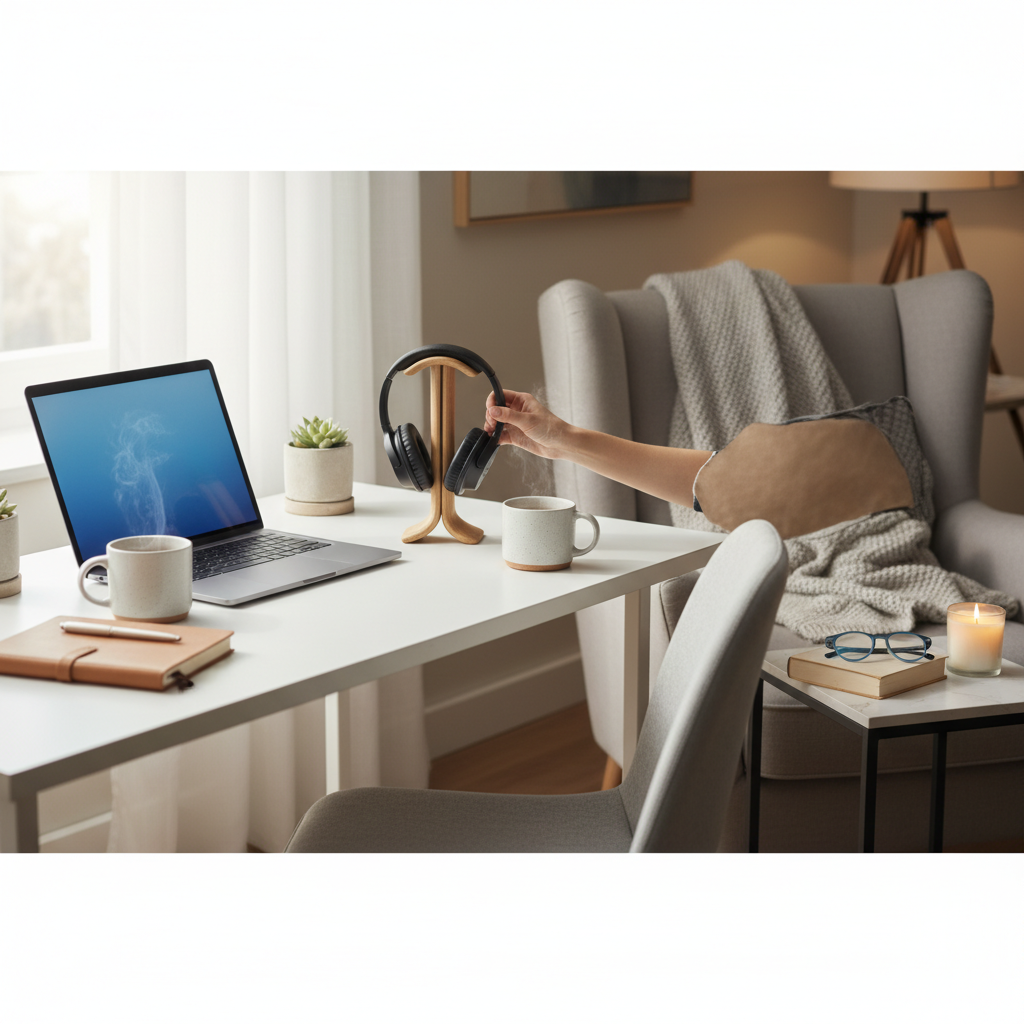
Create a deliberate routine that signals the end of your workday through physical actions. Close your laptop with intention, organize papers into designated folders, and put away work materials in a specific drawer or cabinet. This ritual transforms your workspace back into personal space and creates a clear visual boundary between work and home life. Even something as simple as covering your computer with a cloth or closing a room divider can serve as a powerful psychological cue that work has officially ended.
Change Your Clothes to Signal the Transition
Physical transformation often leads to mental transformation, making clothing changes one of the most effective transition rituals. Replace your work attire with comfortable clothes that represent relaxation and personal time, whether that's sweatpants, a favorite sweater, or completely different shoes. The act of changing clothes mirrors the transition that office workers experience when they come home, creating a clear demarcation between professional and personal identity. This simple ritual helps your brain recognize that it's time to shift from work responsibilities to personal activities.
Take a Walk Around the Block as Your Commute
Replicate the mental benefits of commuting by creating a brief walking routine that bookends your workday. Step outside for 10-15 minutes after closing your computer, using this time to decompress from work thoughts and prepare for personal activities. Many remote workers find that this artificial commute provides the same psychological benefits as driving home from an office, including time to process the day and transition between different mental states. Use apps like Spotify or Apple Podcasts to create a consistent soundtrack that reinforces this daily ritual.
Create Technology Boundaries with Specific Shutdown Procedures
Develop a systematic approach to closing work-related technology that goes beyond simply shutting down your computer. Log out of work applications like Slack, Microsoft Teams, or Asana rather than just closing them, and turn off work-related notifications on your phone completely. Consider using separate browsers or browser profiles for work and personal activities, then close all work-related tabs and bookmarks at the end of each day. These intentional technology boundaries prevent work from creeping into personal time through constant notifications and easy access to work platforms.
Design an Evening Ritual That Prioritizes Personal Activities
Establish consistent activities that help you mentally and emotionally reconnect with your personal life after work ends. This might include brewing a special cup of tea, spending time with pets, calling a family member, or engaging in a hobby that requires focus and creativity. The key is choosing activities that feel distinctly separate from work responsibilities and require your full attention, preventing your mind from wandering back to professional concerns. Consistency matters more than the specific activity you choose.
Use Scent and Lighting to Transform Your Environment
Leverage sensory changes to reinforce the transition between work and personal time in the same physical space. Light a candle with a relaxing scent, switch from bright overhead lighting to warm lamps, or diffuse essential oils that you associate with relaxation and home life. These environmental changes help create psychological separation even when you can't create physical separation between work and living areas. Companies like Yankee Candle or Bath & Body Works offer scents specifically designed for relaxation and stress relief.
Schedule Personal Activities Immediately After Work
Book specific personal commitments that require you to fully transition away from work mode, whether that's a workout class, dinner preparation, or time with family members. Having something concrete on your schedule creates external pressure to end work on time and prevents the gradual extension of work hours that many remote workers experience. These scheduled activities also provide positive anticipation throughout your workday, making the transition to personal time feel more rewarding and intentional.
Establish Consistent Work End Times with Accountability
Set firm boundaries around when your workday ends and communicate these boundaries to colleagues, family members, or roommates who can help hold you accountable. Use calendar blocking to reserve time for transition rituals and early evening activities, treating these commitments as seriously as you would treat client meetings or important deadlines. Consider sharing your end-of-work routine with others in your household so they understand and respect your need for transition time.
Creating effective transition rituals takes experimentation and consistency, but the investment in establishing clear boundaries between work and personal time pays dividends in both professional effectiveness and personal satisfaction. Start with one or two rituals that feel natural and sustainable, then gradually build a comprehensive routine that helps you fully disconnect from work responsibilities and reconnect with the people and activities that matter most in your personal life.