
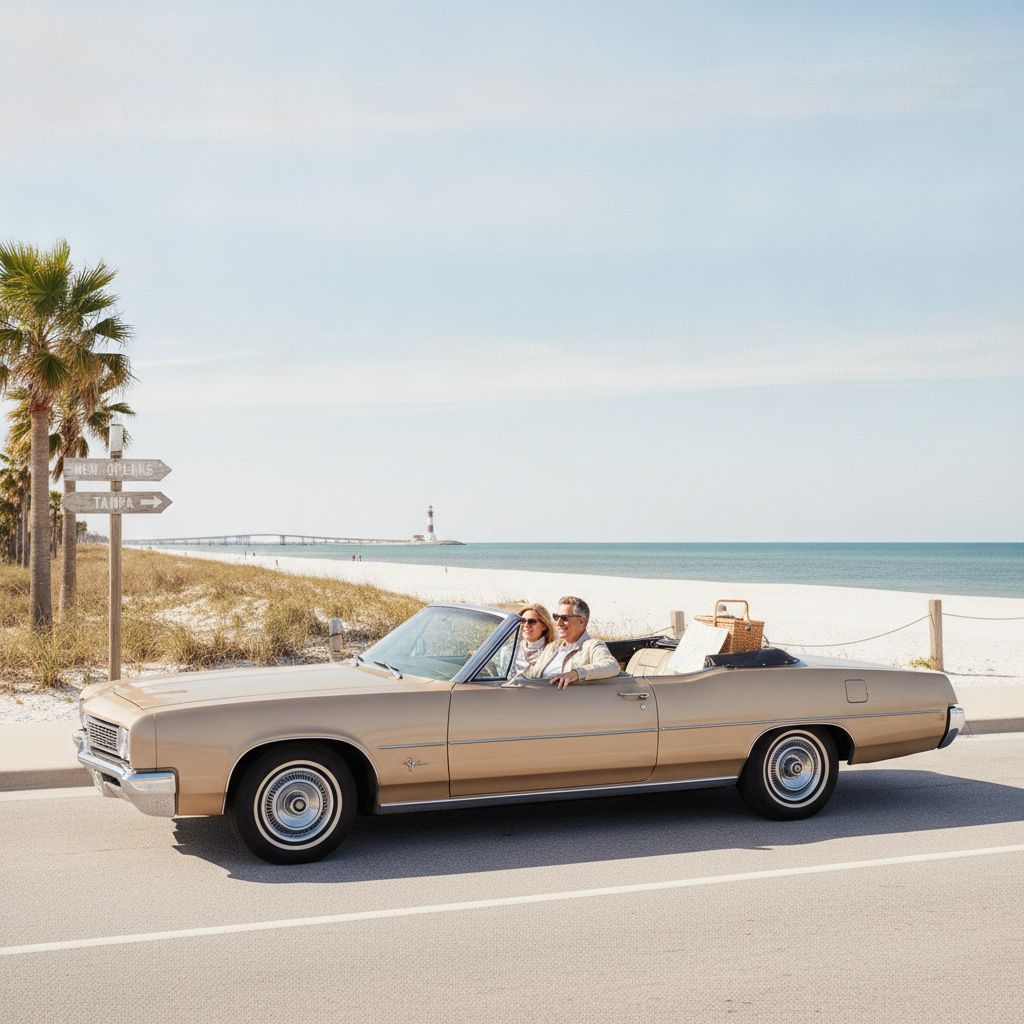
How Planning a Winter Road Trip Along the Gulf Coast Between New Orleans and Tampa Delivers Warm Weather Without International Airfare
Winter has a way of making people restless. The days get short, the air turns sharp, and the urge to be somewhere warmer — somewhere with palm trees and ocean breezes — starts to feel less like a luxury and more like a genuine need. Most people assume that kind of escape requires a passport, a transatlantic flight, and a budget that strains the credit card. The Gulf Coast tells a different story.
The stretch of highway running from New Orleans east through Biloxi, Mobile, Pensacola, and down into the Tampa Bay area is one of the most underappreciated winter escapes in the country. It's warm, it's accessible, and it's genuinely beautiful — with white sand beaches, fresh seafood, and a pace of life that slows you down in the best possible way. Planning this drive well makes all the difference between a memorable trip and a rushed blur of gas stations and fast food.
Starting Strong: New Orleans as Your Launching Point
New Orleans isn't just a place to pass through — it's where the trip begins in earnest. Give yourself at least two nights before you hit the road east. The French Quarter gets all the attention, but the Bywater and Marigny neighborhoods offer a quieter, more local version of the city's legendary character. Street-level food here is outstanding and affordable, and the architecture alone is worth an afternoon of wandering. Booking accommodations through Booking.com a few weeks early gives you the best spread of options at manageable prices, especially in January and February when convention crowds thin out and the winter mild season settles in.
The Mississippi Gulf Coast: An Underrated Stretch Worth Slowing Down For
Biloxi and Beyond
Once you cross into Mississippi, Biloxi surprises most first-time visitors. The beach here runs for miles, the water is calm, and the crowd density compared to Florida destinations is almost laughably low in winter. The historic district has real character, and the seafood — particularly the Gulf oysters — is the kind of thing you'll talk about for weeks. Budget a full day here rather than treating it as a fuel stop.
Timing Your Drive Through Mobile
Mobile, Alabama, sits at the edge of Mobile Bay and offers a genuine Southern coastal experience that feels nothing like a tourist trap. The historic downtown district has galleries, independent restaurants, and a waterfront that's genuinely pleasant in January temperatures that tend to hover in the comfortable mid-60s. If you're driving this stretch in late February, be aware that the city runs its own Mardi Gras celebration — older than New Orleans' and considerably less crowded — which can be either a highlight or a traffic complication depending on your timing.
The Florida Panhandle: Where the Gulf Really Opens Up
Pensacola and the White Sand Beaches
Pensacola Beach sits on a barrier island with quartz sand so pale it looks like snow — which feels particularly ironic when you're visiting to escape actual snow. Fort Pickens inside Gulf Islands National Seashore is worth a morning, and the beach itself is among the finest on the entire Gulf. Midwinter here means thin crowds and hotels at a fraction of peak summer rates. Use the GasBuddy app throughout the panhandle stretch to track fuel prices, which can vary noticeably between stations on either side of the Alabama-Florida line.
Destin and Panama City Beach: Choose Your Pace
Destin is more developed and draws a consistent winter visitor crowd, particularly retirees escaping northern states. Panama City Beach is quieter in winter, with many seasonal businesses closed but the natural scenery completely intact. Both work well as overnight stops, and both offer easy beach access that feels almost surreal when you remember it's January. The Emerald Coast Scenic Highway between them is one of the genuinely beautiful drives in the American South — unhurried, coastal, and worth the slight detour off the main interstate.
Cross-Florida: The Final Push Toward Tampa
Navigating the Interior Route
From the Panhandle, you have two general paths toward Tampa. The coastal route through Apalachicola and the Big Bend area is slower but more scenic, passing through fishing communities that feel completely removed from Florida's theme-park reputation. The inland route through Tallahassee and down I-75 is faster but loses the coastal character. If time allows, take the scenic route — Apalachicola in particular is a small town with extraordinary oysters and a preserved historic center that rewards a three-hour stop.
Tampa Bay as Your Destination Anchor
Tampa makes an excellent endpoint because it offers genuine city infrastructure alongside beach access. St. Pete Beach and Clearwater are both within easy reach and both deliver the warm Gulf water experience in full. Ybor City inside Tampa itself is worth a night out — Cuban food, walkable streets, and a neighborhood that has real historic depth. Use Google Maps in its trip-planning mode to sequence your stops efficiently, especially through the Tampa metro where traffic patterns change dramatically by time of day.
Managing the Budget Without Cutting Corners
The entire drive from New Orleans to Tampa can be done in five to seven days at a cost that competes favorably with a single round-trip international flight, even before you factor in hotels abroad. Fuel costs are predictable when you plan stops strategically, and accommodation along this route tends toward the affordable in winter months. The Roadtrippers app is worth using for pre-trip planning — it maps points of interest alongside your route and helps you identify overnight stops that balance location and value rather than defaulting to whatever's visible from the highway exit.
Food spending responds well to a simple rule: eat your big meal at lunch rather than dinner. Most of the seafood restaurants along this route offer lunch menus at noticeably lower prices than dinner service, and the quality is identical. You'll eat fresh Gulf shrimp and gulf fish at prices that feel almost anachronistic compared to what a similar meal would cost in a coastal European city.
What Makes This Trip Worth Doing Right Now
The Gulf Coast road trip between New Orleans and Tampa is the kind of itinerary that rewards attention. It's not a race — it's a deliberate, leisurely crossing of one of America's most distinctive coastal regions during the one season when the crowds have thinned and the weather is genuinely pleasant rather than oppressively hot. Winter travel trends continue shifting toward domestic road trips as international costs remain elevated, and routes like this one are increasingly recognized by experienced travelers as undervalued alternatives. The infrastructure is good, the food is excellent, and the warm air in January feels like a small miracle every single day. Start mapping the route now while winter accommodation rates are still available — the Gulf Coast rewards early planners and doesn't stay quiet forever.