
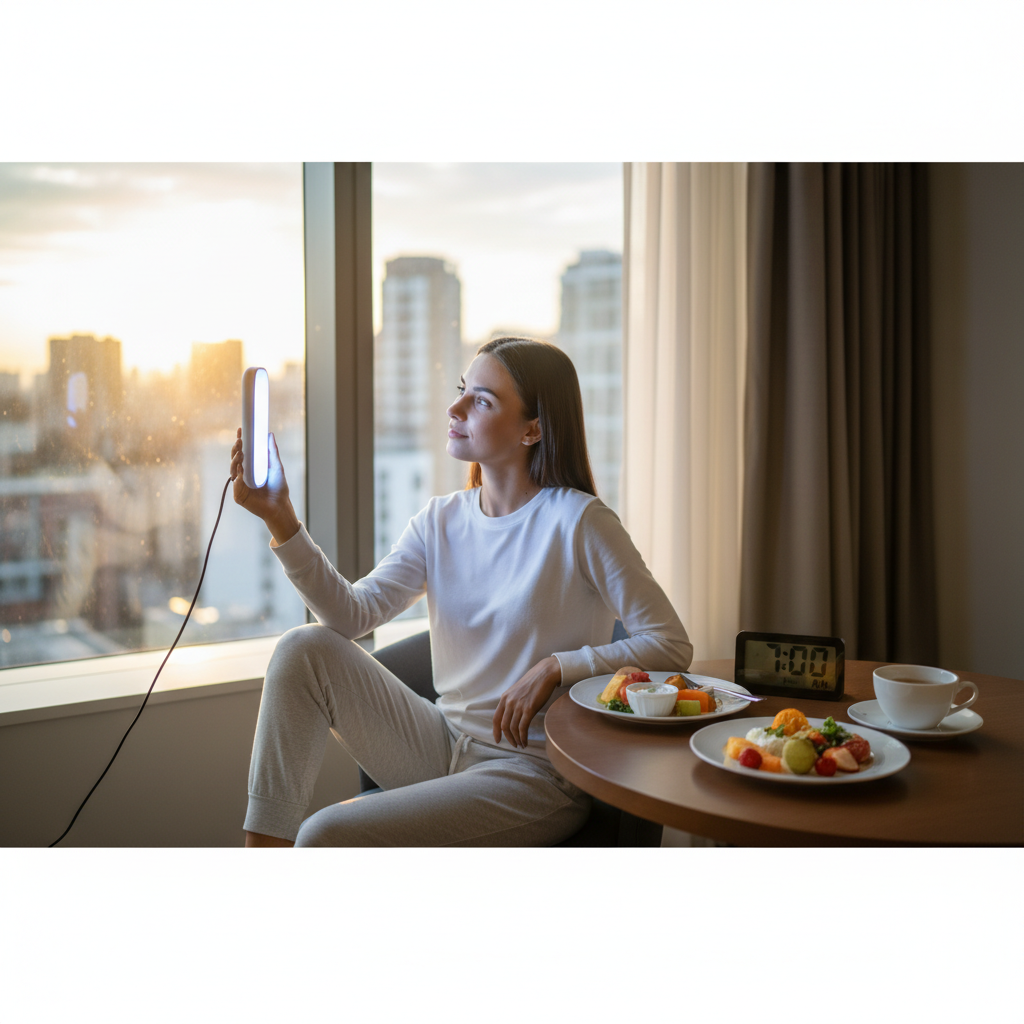
How to Navigate Jet Lag Recovery Using Light Therapy and Strategic Meal Timing
Long-distance travel across multiple time zones disrupts the body's natural circadian rhythm, leaving travelers feeling disoriented, exhausted, and mentally foggy for days or even weeks. While jet lag was once considered an unavoidable consequence of international travel, emerging research reveals that strategic light exposure and carefully timed meals can significantly accelerate the body's adjustment to new time zones. These evidence-based approaches work by targeting the biological mechanisms that regulate sleep-wake cycles and metabolic processes.
The severity of jet lag typically increases with the number of time zones crossed, with eastward travel generally proving more challenging than westward movement. Business travelers and frequent flyers have long sought effective recovery methods, often relying on caffeine, sleeping pills, or simply waiting for their bodies to adjust naturally. However, targeted interventions that work with the body's natural rhythms offer a more systematic approach to minimizing disruption.
Start Light Exposure Adjustment Before Departure
Begin manipulating your light exposure three days before traveling to prime your circadian system for the transition. If traveling east, expose yourself to bright light in the morning and avoid bright screens after sunset. For westward travel, seek bright light in the evening hours and use blackout curtains or eye masks to extend your perceived night. The Philips SmartSleep light therapy device provides controlled light exposure at specific intensities recommended for circadian adjustment. This pre-trip preparation reduces the shock to your system upon arrival at your destination.
Time Your Meals According to Destination Schedule
Shift your eating schedule to match your destination's meal times starting 24-48 hours before departure. Your digestive system serves as a secondary circadian clock that can help reset your primary sleep-wake cycle. Eat a substantial breakfast at your destination's breakfast time, even if this means eating at unusual hours before travel. Fast during typical sleeping hours at your destination, as periods without food consumption signal nighttime to your metabolic processes. This approach helps synchronize multiple biological systems simultaneously rather than relying solely on light-based adjustments.
Seek Natural Light Immediately Upon Arrival
Prioritize outdoor light exposure within the first few hours of reaching your destination, regardless of how tired you feel. Natural sunlight provides the full spectrum of wavelengths needed to reset circadian rhythms effectively. Plan outdoor activities like walking tours, café visits, or park exploration during your destination's morning hours. Even cloudy outdoor light delivers significantly more circadian-regulating intensity than indoor lighting. If arriving at night, seek bright indoor lighting at restaurants or shopping areas rather than dimming lights in your hotel room.
Use Strategic Light Avoidance During Adjustment
Block light exposure during your destination's nighttime hours using blackout curtains, eye masks, or blue light filtering glasses. The LightDims blackout stickers can eliminate LED lights from electronics in hotel rooms. Avoid bright bathroom lights during nighttime hours by using a small red-light flashlight or smartphone red-light apps. Your circadian system interprets any bright light exposure during intended sleep hours as a signal to remain awake, potentially undoing daytime progress. Create the darkest possible environment to strengthen the contrast between day and night light exposure.
Schedule Protein-Rich Meals During Active Hours
Consume protein-heavy meals during your destination's daytime hours to reinforce metabolic circadian signals. Protein digestion requires more energy and metabolic activity, naturally promoting alertness when consumed during intended wake periods. Choose lighter, carbohydrate-focused foods during evening hours, as these promote serotonin production and eventual sleepiness. Avoid large meals within three hours of your intended bedtime, allowing your digestive system to slow down as your destination approaches night. This eating pattern works alongside light therapy to provide consistent biological timing cues.
Apply Light Therapy Apps for Precision Timing
Download specialized apps like Entrain or Jet Lag Rooster that calculate optimal light exposure times based on your specific travel itinerary. These applications consider your departure location, destination, flight times, and individual chronotype to provide personalized light exposure schedules. Follow the recommended bright light and light avoidance windows rather than relying on general travel advice. The apps account for the complex mathematics of circadian phase shifting, providing more accurate guidance than basic east-versus-west travel rules. Update your location in the app immediately upon arrival for real-time adjustment recommendations.
Maintain Consistent Sleep and Wake Times
Commit to your destination's sleep schedule from the first night, even if you feel wide awake or extremely tired at inappropriate hours. Set firm wake-up times and stick to them regardless of sleep quality during the initial adjustment period. Use sleep aids sparingly, as they can interfere with natural circadian reset mechanisms. The Insight Timer app offers sleep stories and guided meditations specifically designed for travel recovery. Consistency in timing proves more important than total sleep duration during the first few days of adjustment.
Monitor Your Recovery Progress
Track your energy levels, alertness, and sleep quality using apps like Sleep Cycle or Fitbit's sleep monitoring features to gauge adjustment progress. Most travelers experience significant improvement within 3-5 days when using combined light and meal timing strategies. Note patterns in your recovery to refine your approach for future travel. Some individuals respond more strongly to light therapy while others benefit more from meal timing adjustments. Document what works best for your physiology to create a personalized jet lag recovery protocol.
The integration of light therapy and strategic meal timing represents a significant advancement in travel wellness, moving beyond traditional jet lag advice toward scientifically-grounded recovery methods. As wearable technology continues advancing, future travelers may have access to real-time circadian monitoring and automated light exposure recommendations, making jet lag recovery even more precise and effective.